A Japan bucket list beyond Tokyo and Kyoto can mean decorating a gold-leaf souvenir, sleeping at a mountain temple, cycling between islands, or watching Mount Fuji emerge above a quiet lake. The useful question is which of those experiences fits your season, interests, and available days.
Start here: Choose Kanazawa and Takayama for crafts and old streets; Koyasan and Kinosaki for an overnight change of pace; Hiroshima and Miyajima for history and coastal scenery; or Hokkaido for a trip built around snow, summer flowers, and nature. For an active vacation, look at the Nakasendo, Kumano Kodo, and Shimanami Kaido.
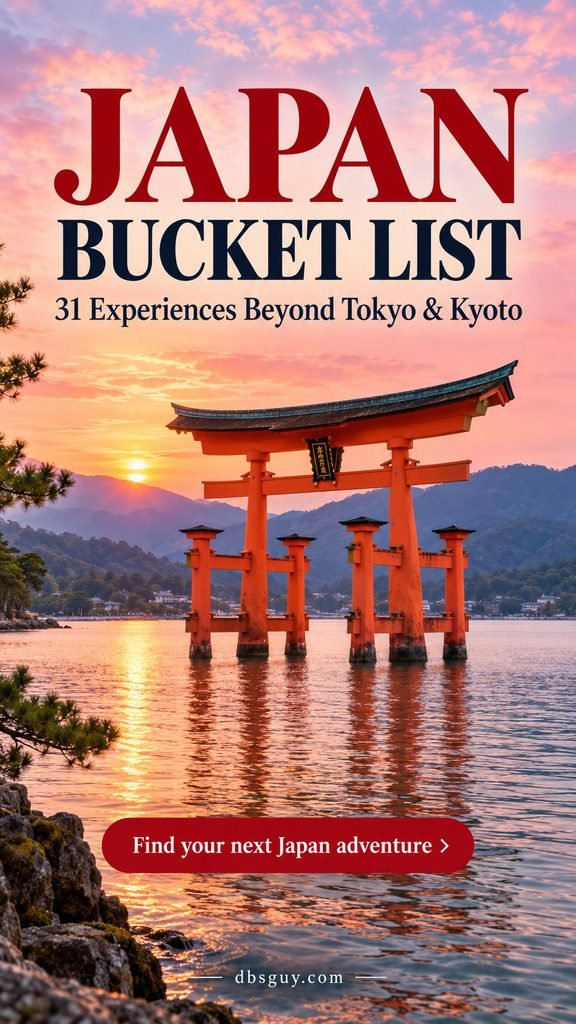
The visuals in this guide are AI-generated destination concepts, not photographs documenting a visit. Actual scenery, architecture, weather, and crowds will vary.
How to Choose Your Japan Bucket List Experiences
These 31 experiences are grouped by region to make planning easier. They are a menu for several trips, rather than a route to complete in one vacation. Famous places such as Osaka, Nara, and Miyajima belong here too: traveling beyond Tokyo and Kyoto does not automatically mean escaping crowds.
- For a short add-on: Pick one base and nearby outings. Osaka works for Nara and Himeji; Hiroshima works for Miyajima.
- For a mountain-and-culture trip: Combine Kanazawa, Shirakawa-go, and Takayama. Add Matsumoto or Kamikochi only when your transport connections and days allow.
- For a seasonal trip: Decide whether your priority is Hirosaki blossoms, Furano lavender, or the Sapporo Snow Festival before booking flights.
- For remote islands: Give Yakushima or Ishigaki their own stay and leave room for weather-related transport changes.
Time suggestions below are editorial planning allowances, not guaranteed visit or journey times. They generally exclude long-distance travel. Confirm current schedules, admission rules, and local conditions before booking.
Central Japan: Crafts, Old Roads, and Alpine Scenery
1. Make a Gold-Leaf Souvenir in Kanazawa
Instead of buying another souvenir, spend part of an afternoon applying gold leaf yourself. Kanazawa workshops offer objects such as small plates, chopsticks, and compact mirrors, with an instructor guiding the delicate process. It is a satisfying choice for travelers who like making things and want an indoor activity between outdoor sights.
Choose the workshop by the object you want to take home, then confirm the session length, language support, and age requirements. Leave time afterward to explore the wooden storefronts of Higashi Chaya. A workshop reservation gives this day a useful anchor without filling every hour.
Plan it: Kanazawa, Ishikawa. Allow roughly 1–2 hours for the workshop and arrival buffer; visit year-round. Stay near the station for transport convenience or near the historic districts for evening walks.

2. Start the Day at Takayama’s Morning Markets
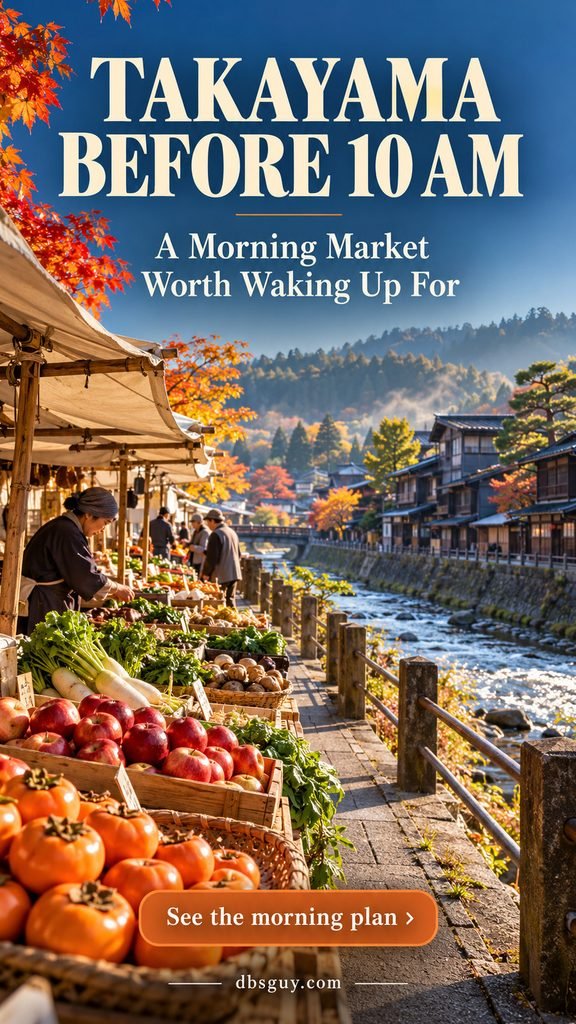
Takayama’s morning markets offer a smaller, everyday experience of Japan: seasonal produce, pickles, crafts, and conversations around a stall. The Miyagawa market runs beside the river; the Jinya-mae market sits near the historic government building. Both fit naturally before exploring the Sanmachi streets.
Arrive in the morning rather than treating this as an afternoon attraction. Bring some cash for small purchases, ask before photographing vendors, and buy something you actually want to eat or use. In autumn, apples and other seasonal produce can be as appealing as a souvenir.
Plan it: Takayama, Gifu. Set aside 1–2 morning hours. Overnighting in town makes the early start much easier than arriving on a long-distance day trip.
3. Step Inside a Thatched Farmhouse in Shirakawa-go
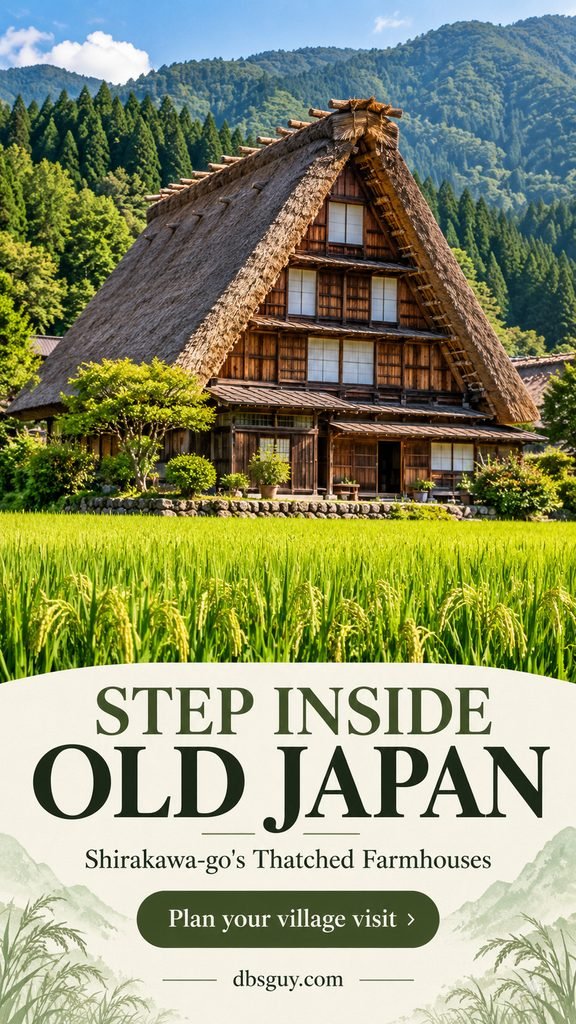
The steep roofs of Shirakawa-go are memorable from a viewpoint, but entering a farmhouse gives the village more substance. Visit a house that is open to the public to understand its timber construction and the life that developed around this mountain setting. The gassho-zukuri roof shape is the defining feature, not a decorative prop.
Build your visit around one open house and a relaxed village walk. The community contains private homes, so stay out of residential yards and follow photography signs. Snow creates a different scene from the green summer landscape illustrated here; winter illumination events require separate advance planning.
Plan it: Ogimachi village, Gifu. Allow half a day. Check and reserve your bus connections where available, especially if continuing between Kanazawa and Takayama.
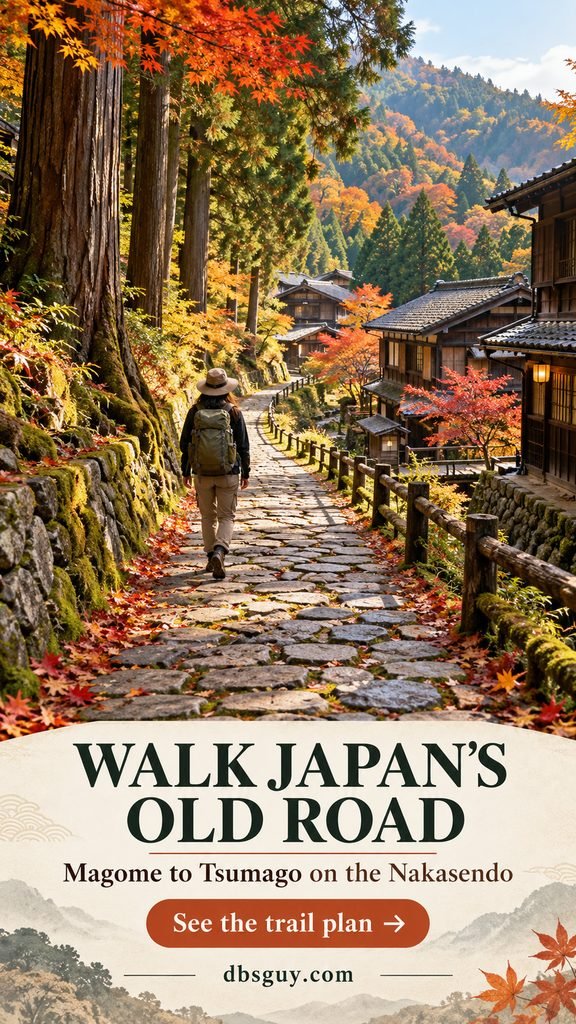
4. Walk the Nakasendo Between Magome and Tsumago
This walk connects two preserved post towns through woodland and rural settlements. It is a good way to give old Japan a sense of scale: you move between places on foot, with tea breaks and forest stretches replacing a string of station transfers.
The commonly walked section is roughly 5 miles, with around 2–3 hours of walking before town visits and breaks. Walking from Magome toward Tsumago is a popular choice, but there are still slopes and uneven surfaces. Wear shoes with grip, carry water, and look up the last onward bus before starting. Heavy rain or winter ice can change the difficulty considerably.
Plan it: The Gifu–Nagano border. Allow most of a day including transport and both towns. Spring and fall are appealing planning choices when trail conditions cooperate.
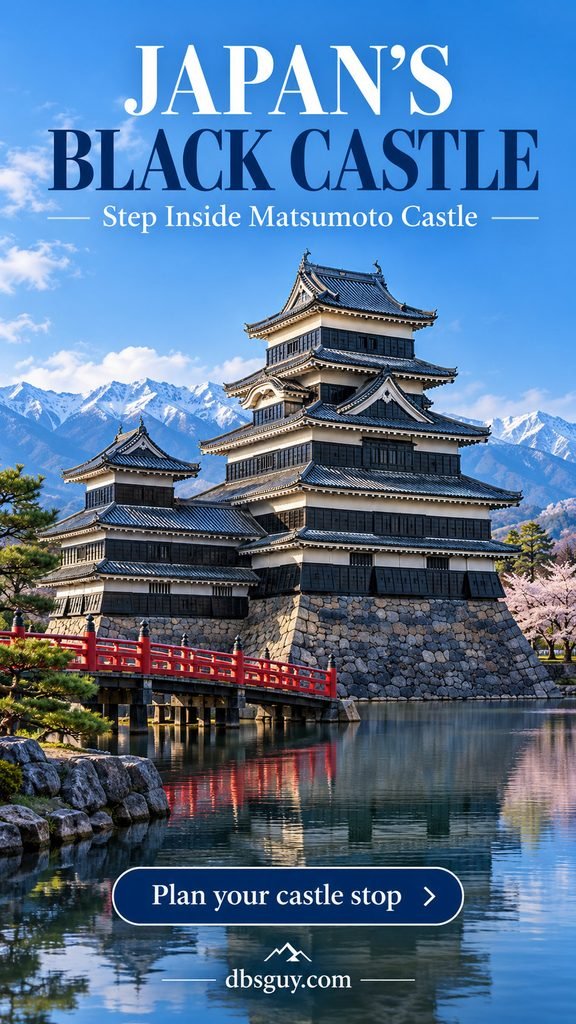
5. Explore Matsumoto Castle’s Original Timber Interior
Matsumoto Castle’s black-and-white exterior looks especially striking beside its moat. Going inside adds another layer: the timber structure, steep stairs, and defensive spaces make this a castle visit rather than simply a photograph from the grounds.
Arrive with time to explore slowly, particularly when entry queues build. The interior requires navigating steep stairs and removing shoes; travelers with mobility limitations should check access details and consider enjoying the exterior and grounds instead. Pair the visit with a relaxed meal in Matsumoto rather than rushing directly to another distant attraction.
Plan it: Matsumoto, Nagano. Allow 2–3 hours for the castle and grounds, with additional time for queues. This is a useful city stop before a separate Kamikochi excursion.
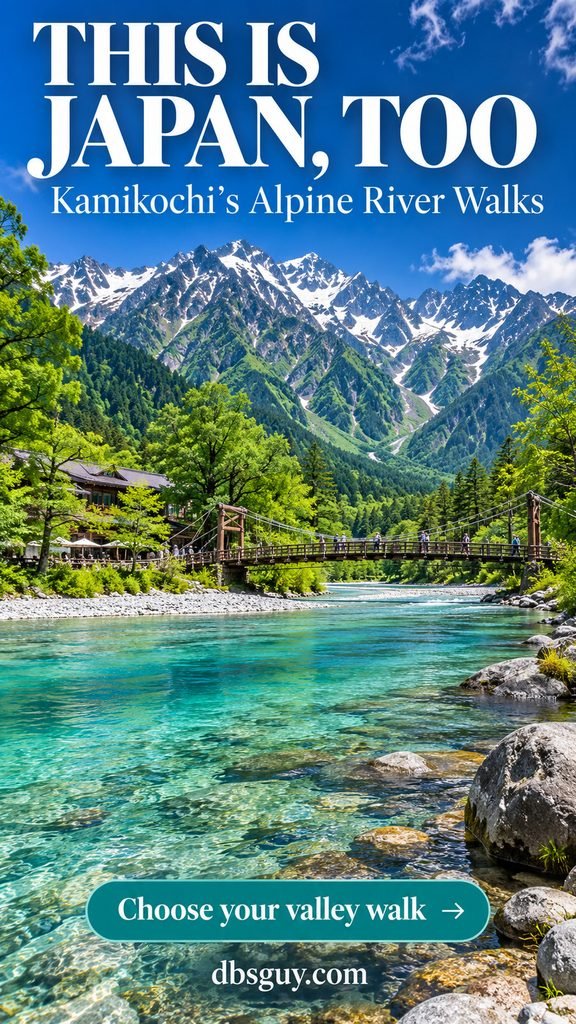
6. Follow the Azusa River Through Kamikochi
Kamikochi delivers mountain scenery without requiring every visitor to climb a mountain. Around Kappa Bridge, the clear Azusa River, forest, and high peaks create a rewarding valley walk. Choose a route based on your pace and the return bus, rather than assuming every trail is equally easy.
For a first visit, start with the riverside paths near Kappa Bridge and extend toward other valley sights only if conditions and daylight allow. Bring a layer and rain protection even when your departure city is warm. Stay on marked paths and ask the visitor center about current conditions.
Plan it: Nagano’s Northern Japan Alps. Allow a full day from Matsumoto or Takayama. Regular visitor services operate from mid-April to mid-November; private cars are restricted, so plan the appropriate bus or taxi transfer. Ordinary winter sightseeing is a different proposition.
Also read: How To Organize Your Time On Vacation for a practical way to balance travel days and sightseeing.
Fuji, Nikko, and Nagano: Memorable Mainland Add-Ons
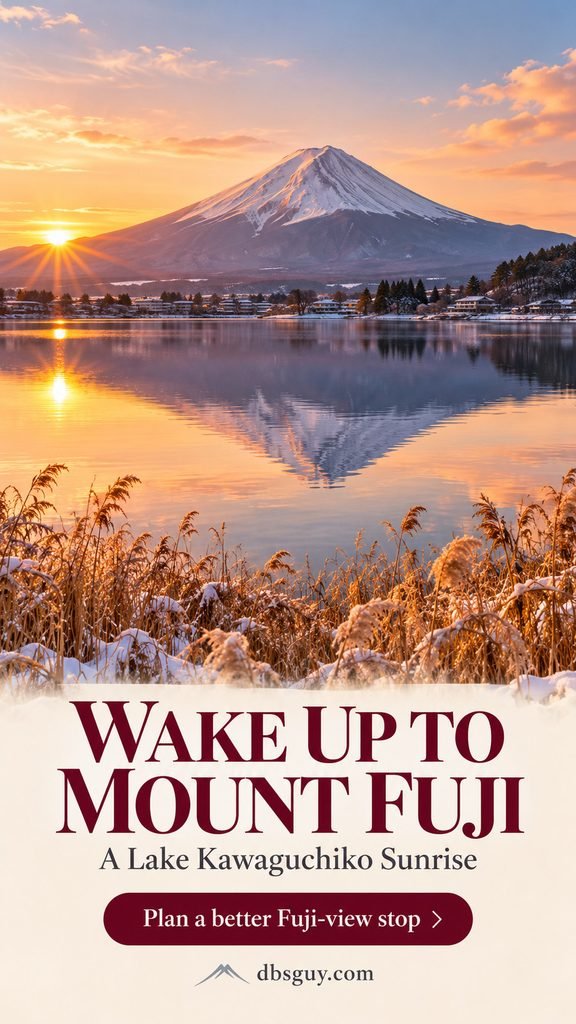
7. Give Mount Fuji a Morning at Lake Kawaguchiko
Mount Fuji can hide behind clouds even when you have traveled specifically to see it. Staying near Lake Kawaguchiko gives you another viewing opportunity at the start of the day, when you can take a quiet shoreline walk instead of waiting for an arriving tour bus.
Pick a public lakeside viewpoint that you can reach comfortably from your accommodation. A clear cold-season morning can be beautiful, but visibility and reflections are never guaranteed. Keep a café or indoor activity in reserve, and avoid building the whole day around a single photo location. Seeing Fuji from the lake is separate from climbing it.
Plan it: Kawaguchiko, Yamanashi. An overnight stay is useful; allow an unhurried morning for the lake. Confirm any room’s claimed Fuji view before booking.
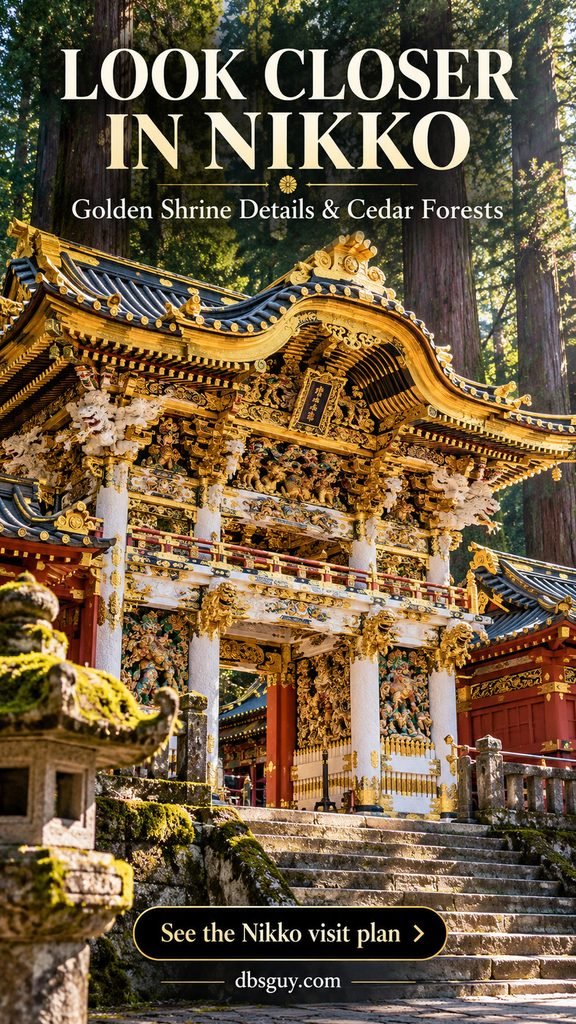
8. Look Closely at Nikko Toshogu’s Carvings
Nikko Toshogu rewards attention. Gold details, painted carvings, and elaborate gates create a very different shrine experience from a minimalist wooden building. Give the decorated surfaces a few minutes each instead of moving through them as a fast photo circuit.
Make Toshogu the main event, then add nearby temple or shrine grounds if you still have energy. The area involves steps and outdoor walking, so comfortable footwear matters. Autumn is attractive but can be busy; an early start helps you make better use of the day without promising an empty complex.
Plan it: Nikko, Tochigi. Allow a full day when arriving from Tokyo, or stay overnight to explore more slowly. Treat the shrine area and the higher-elevation lakes as separate time commitments.
9. Observe Jigokudani’s Snow Monkeys
Japanese macaques soaking in a steaming pool are one of winter Japan’s most recognizable scenes. At Jigokudani, the experience is wildlife observation: visitors watch from the surrounding area while the animals choose where to go.
The official park guide identifies December through March as the coldest bathing season, but monkey appearances and snow conditions vary. Check the park’s current appearance information and online-ticket rules. Winter visitors with online tickets receive admission priority. The approach includes a forest walk that can be icy, so leave room for a slower pace.
Plan it: Yamanouchi, Nagano. Allow about half a day from a nearby base, including the approach. Do not touch, feed, or crowd the monkeys, and never enter their pool.

Tohoku and Hokkaido: Trips Worth Timing to the Season
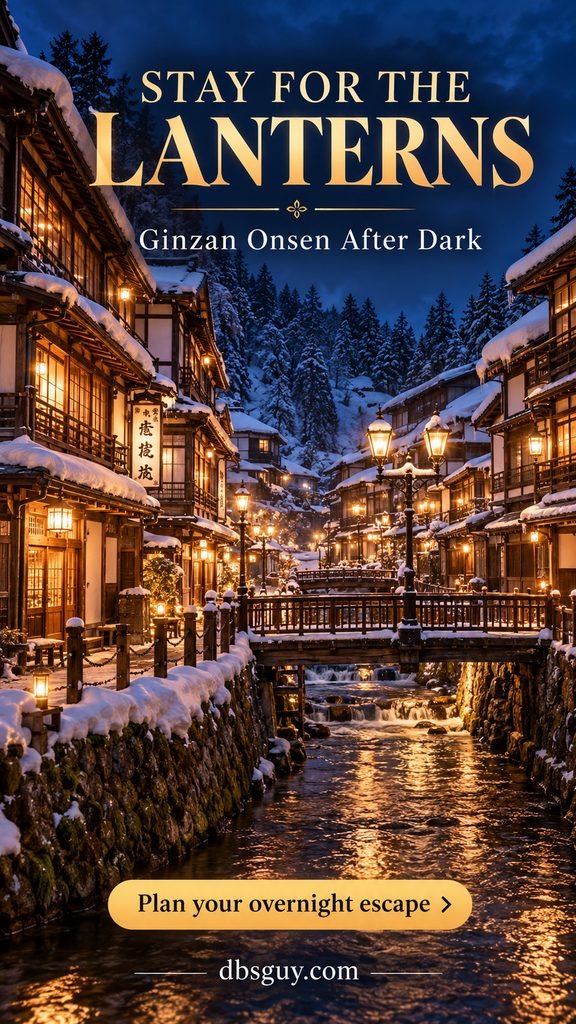
10. Stay Overnight for Ginzan Onsen’s Evening Atmosphere
Ginzan Onsen’s timber inns, narrow river, and warm lamps make the evening feel different from the middle of the day. If that illuminated winter scene is your priority, an overnight stay is the planning choice to investigate first.
Book the inn before arranging the rest of your detour, then confirm check-in time, meal arrangements, and transfers. Winter access controls can affect day visitors and drivers; do not assume that a spontaneous late-night visit will be possible. The lamps and architecture also make the town appealing outside snow season, when the logistics may suit you better.
Plan it: Ginzan Onsen, Yamagata. Give it one night plus travel time. Winter conditions call for suitable footwear and careful transport planning; confirm the rules for your exact dates.
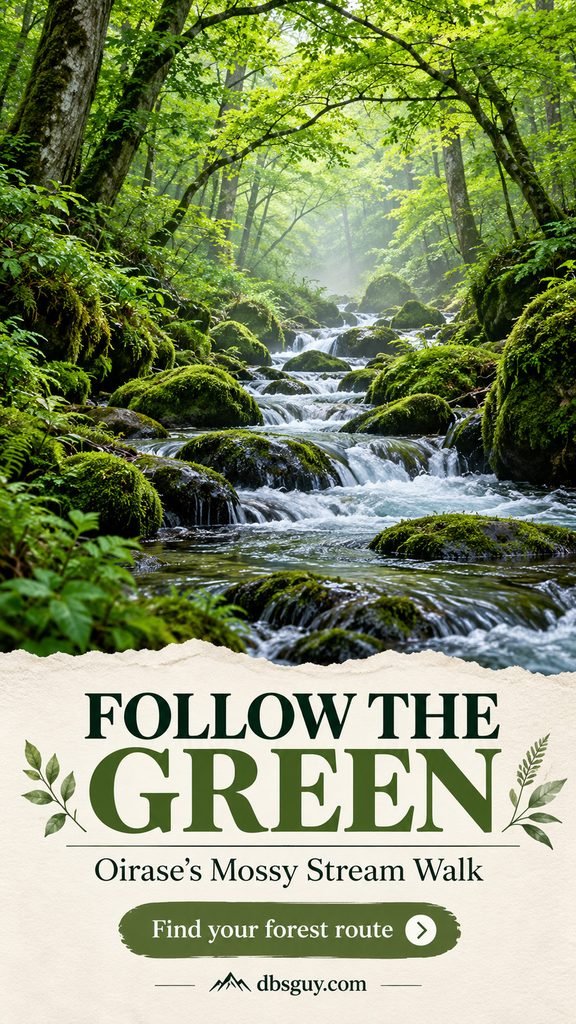
11. Walk a Section of the Oirase Stream
Oirase offers a close-up kind of scenery: mossy stones, moving water, ferns, and small cascades. You do not need to walk the whole gorge to enjoy it. A shorter stretch can be more rewarding if it leaves time to stop and listen to the stream.
Choose your start and finish using the seasonal bus timetable or a guided excursion. Roads run close to parts of the stream, so expect a mix of woodland atmosphere and passing traffic. Green summer foliage and fall color create different moods; winter visits need separate preparation rather than simply following a summer walking plan.
Plan it: Near Lake Towada, Aomori. Allow half a day for a selected section, longer for a broader outing. Check service frequency and trail conditions before committing to a one-way walk.
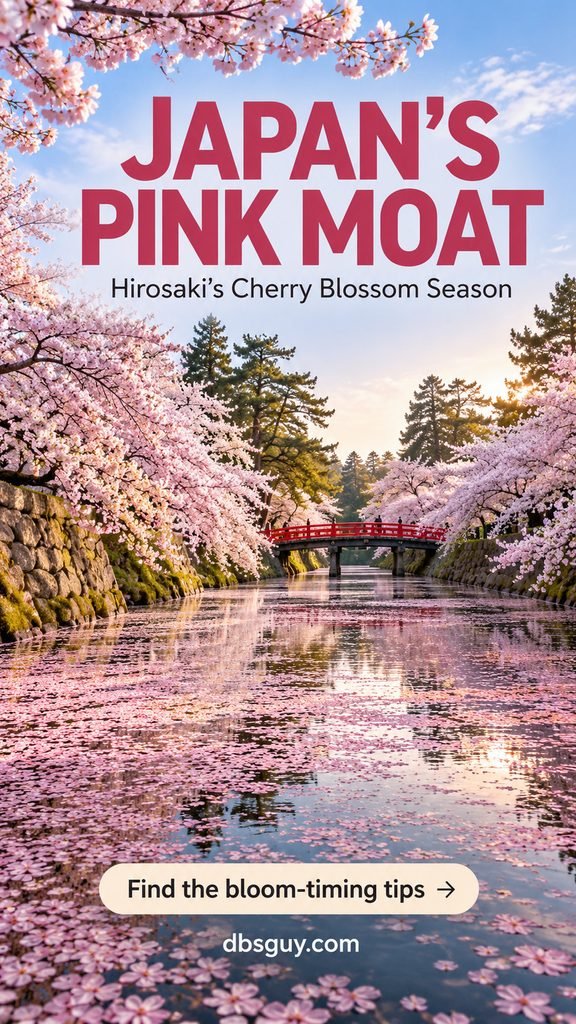
12. Time Hirosaki for Blossoms and the Pink Moat
Hirosaki Park is a strong choice if cherry blossoms are the experience you want to build around. Flowering branches frame the moats, and fallen petals can collect on the water to create the pink surface seen in so many spring images.
Blooming trees and a petal-covered moat are related but different moments. The latter depends on petals falling and collecting, so one date cannot guarantee both at their peak. Use the current local bloom reports as your trip approaches. Late April into early May is a usual planning window, with year-to-year variation; also consider Japan’s busy Golden Week period.
Plan it: Hirosaki, Aomori. Allow a full park day if blossoms are a priority, and book accommodation early. Check current access and restoration information for any castle areas you want to visit.
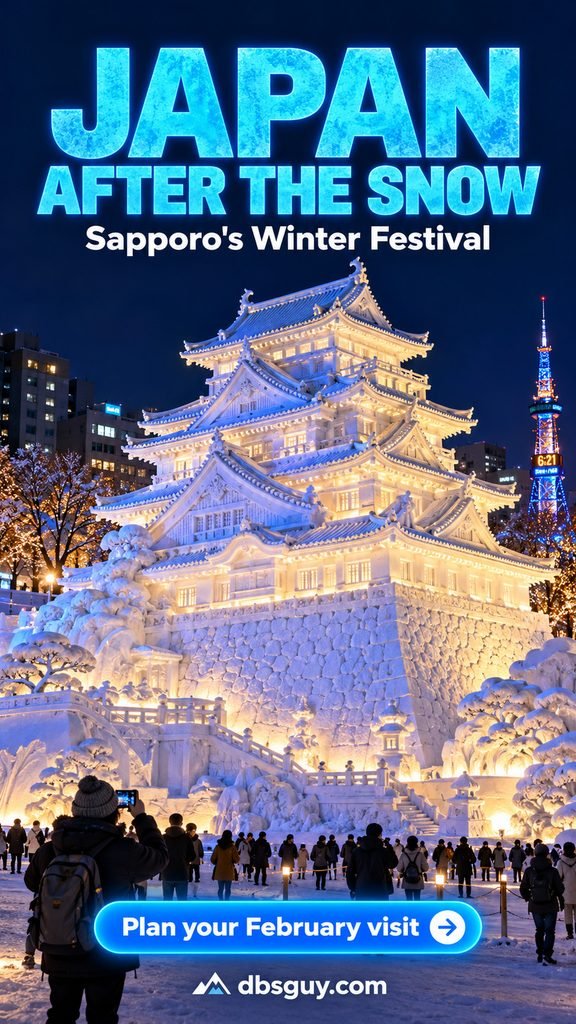
13. See the Sapporo Snow Festival After Dark
Large snow sculptures give Sapporo a reason to be your destination rather than a stop on the way somewhere else. A daytime visit shows the carved surfaces; returning after dark lets you see the illumination and the city in a different mood.
The official tourism calendar lists the 2027 festival for February 4–11. Check that edition’s venue details and evening schedule before finalizing plans. The sculpture in our concept image illustrates the atmosphere, not a confirmed design for that event. Plan short outdoor sessions with warm indoor breaks and footwear that grips packed snow.
Plan it: Sapporo, Hokkaido. Allow at least two nights for a less rushed visit and book lodging ahead. A festival stay is a winter trip, not an opportunity to see Furano’s lavender at the same time.
14. Visit Furano’s Lavender Fields in Summer
Rows of purple lavender and the surrounding hills make Furano a different version of Japan from the familiar city itinerary. Farm Tomita in the Nakafurano area is a practical place to focus your visit rather than trying to see every flower farm.
July is the key planning month for the iconic lavender fields, although the exact peak depends on the variety and year’s conditions. Other flowers have their own schedules. Check the farm’s current bloom reports and seasonal transport options, and stay on visitor paths to protect the fields.
Plan it: Furano and Nakafurano, Hokkaido. Allow half a day for a main flower-farm visit; use a local overnight stay if you want several stops. A car can simplify a wider circuit, but check the public transport available for your dates first.

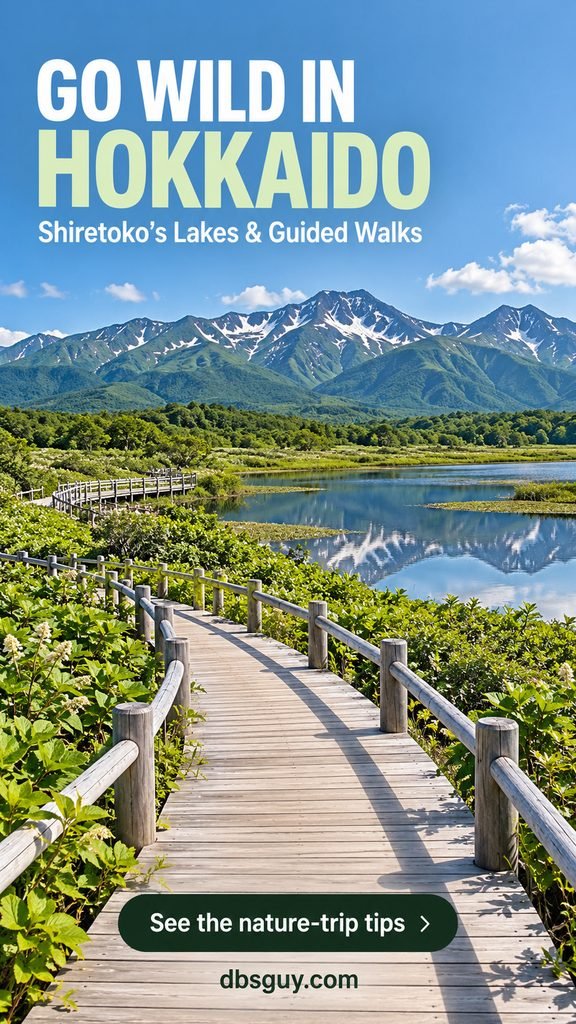
15. Explore Shiretoko’s Lakes With a Local Guide
Shiretoko suits travelers who want a nature-centered trip and are willing to slow down for it. Around the Five Lakes, forest, wetlands, and mountain views provide the experience even if you do not encounter wildlife.
Choose a registered guided walk for the ground-level trails and confirm the current entry rules. Access changes with the season and bear activity; some periods require guided participation. The elevated boardwalk offers a different, more contained outing. Never treat a bear sighting as a photo opportunity to pursue, and follow the guide’s instructions if conditions change.
Plan it: Eastern Hokkaido, often using Utoro as a base. Allow 2–3 local nights as a planning starting point, plus arrival travel. Do not squeeze it into a quick side trip from Sapporo.
Also read: Airport Outfit Ideas: What To Wear When Traveling when planning layers for a long flight and a colder arrival.
Kansai: Food Nights, Temple Stays, and Hot Springs
16. Build a Food Evening Around Osaka’s Dotonbori
Dotonbori is lively, bright, and unapologetically busy. Make food the point of the evening: share takoyaki, sit down for Osaka-style okonomiyaki, and leave time for a canal-side walk between stops.
Two or three intentional choices are easier to enjoy than joining every line you see. Check menus and prices before ordering, and follow the vendor’s directions about where to eat. If you have dietary restrictions, ask about the broth, fillings, and toppings: bonito flakes, seafood, and meat ingredients can appear where you might not expect them.
Plan it: Namba and Dotonbori, Osaka. Allow an evening. Stay within a convenient train ride or walking distance so dinner can last longer without a stressful return.

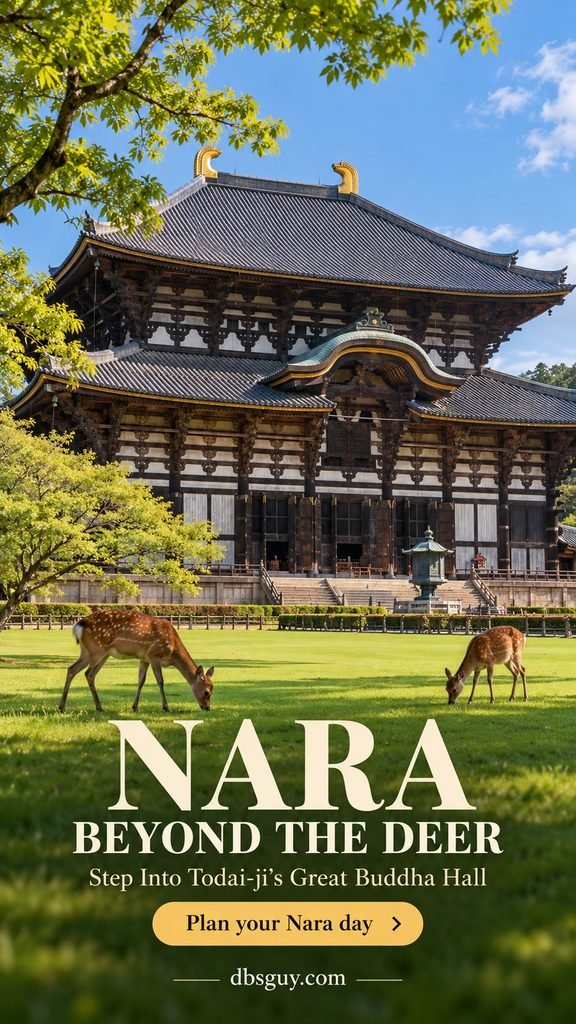
17. Make Todai-ji the Center of Your Nara Day
Nara’s deer are memorable, but Todai-ji gives the day a cultural focus. The immense Great Buddha Hall and the statue inside are worth dedicated time rather than a quick stop between animal photographs.
Walk through the park toward the temple, then leave room to explore quieter paths afterward. Deer are wild animals and can bite or kick; keep food and belongings secure, follow local feeding guidance, and give them space. You do not have to feed them to enjoy Nara. Respect any photography restrictions inside temple areas.
Plan it: Nara, accessible from Osaka. Allow a full day for the temple, park, and a meal. Comfortable shoes are more useful here than an overly ambitious checklist.
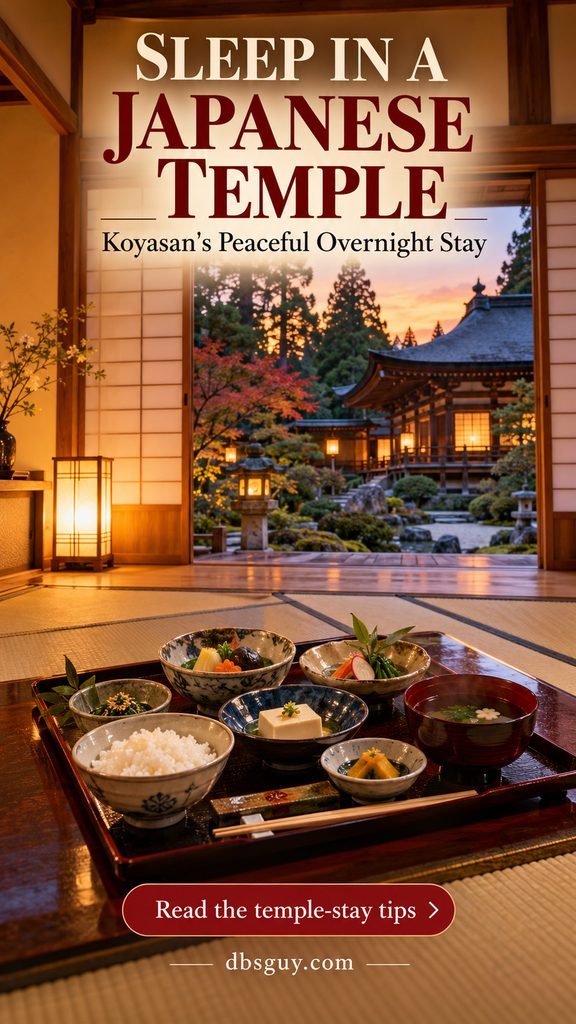
18. Sleep at a Koyasan Temple
A shukubo, or temple lodging, lets you experience Koyasan at a slower pace. A stay may include tatami rooms, shojin ryori Buddhist vegetarian cuisine, and the opportunity to attend morning prayers. The details depend on the temple you book.
Read the lodging’s meal, bathroom, check-in, and curfew information carefully. Tell the host about allergies in advance; vegetarian cuisine does not mean every dish will suit every dietary requirement. Arrive early enough to explore before dinner and approach prayer services as a guest at a working religious site.
Plan it: Koyasan, Wakayama. Stay at least one night and plan the train, cable car, and local bus connections. Mountain temperatures can be noticeably cooler than Osaka.
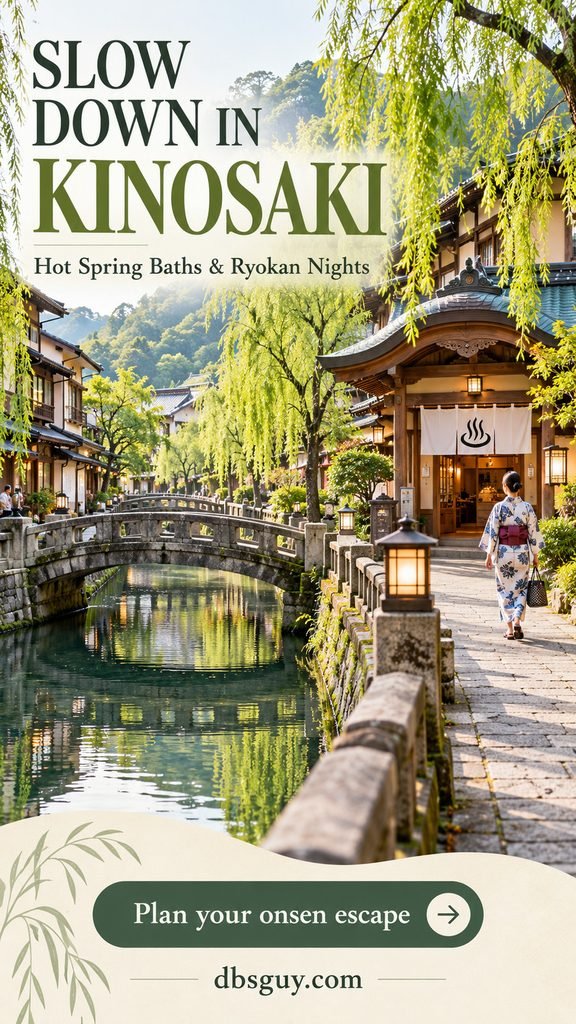
19. Spend a Ryokan Night in Kinosaki Onsen
Kinosaki’s appeal comes from the rhythm of the stay: check into a ryokan, walk beside the canal in a yukata if your accommodation provides one, and visit a few public bathhouses at a comfortable pace.
The town is known for seven public bathhouses, but closures and renovations mean you should check which are operating. Its public bathhouses welcome tattoos; private accommodation facilities may have their own policies. Ask whether your room includes a bath pass and meals. Wash before entering the water, keep towels out of the bath, and remember that public baths require bathing without a swimsuit.
Plan it: Kinosaki, northern Hyogo. Give it one night, ideally with an unhurried arrival. Travelers wanting private bathing should book a property that specifically offers it.
20. Walk a Manageable Section of the Kumano Kodo
You do not need a week-long trek to experience the Kumano Kodo. The Hosshinmon-oji to Kumano Hongu Taisha section offers a useful first taste of the pilgrimage network, passing through forest and settled areas before reaching the shrine.
The local tourism bureau describes this route as roughly 4.3 miles with about 2–3 hours of walking; allow more for pauses and transport. Stay in the Hongu area beforehand, check the bus to the start, and carry water, lunch, and rain protection. Other Kumano routes have very different difficulty levels, so avoid treating the whole network as one easy walk.
Plan it: Wakayama’s Kii Peninsula. Allow half a day for this walk and additional days for arrival and other sights. Spring and fall are sensible starting points for planning, subject to conditions.

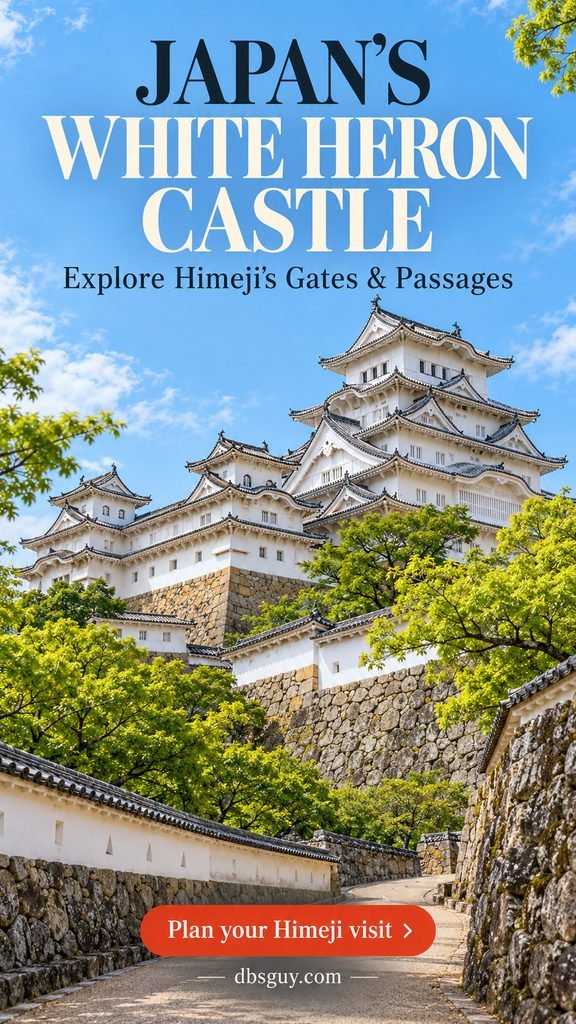
21. Follow the Defensive Passages of Himeji Castle
Himeji’s white walls and layered roofs explain its White Heron nickname, but the route through its gates and passages is just as interesting as the skyline. Notice how the approach changes direction and narrows as you move toward the keep.
This complements Matsumoto’s darker, more compact impression without repeating the same visit. The interior includes steep, narrow stairs, so assess it honestly against your mobility and comfort. Arrive earlier on busy days and leave extra time for entry queues. The grounds still offer rewarding views if climbing the keep does not suit you.
Plan it: Himeji, Hyogo. Allow roughly half a day, excluding travel. It works as an outing from Osaka or a deliberate stop while traveling west.
Western Japan and Shikoku: History, Art, and Island Routes
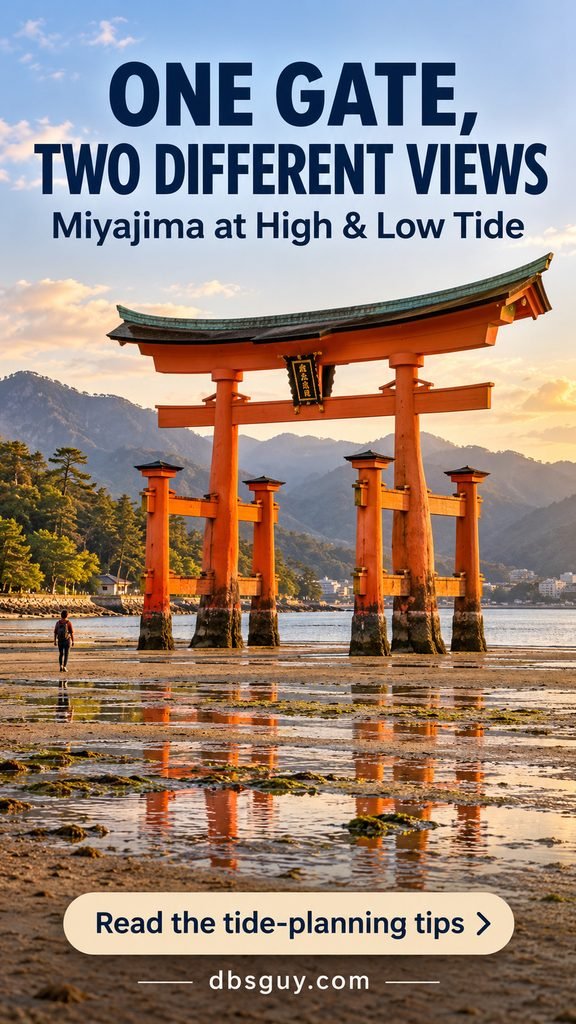
22. See Miyajima’s Torii at Different Tides
Itsukushima’s great torii is surrounded by water at high tide; at lower water, the shoreline changes the view. That contrast makes Miyajima more interesting than a single photograph suggests.
Check the tide table for your date and decide which scene matters most to you. A longer island visit may let you see both, but a short stop often will not. Leave room for the shrine area and a meal, and check the last return ferry. An island overnight can be worthwhile if evening and early morning atmosphere are priorities.
Plan it: Miyajima, Hiroshima Prefecture. Allow a full day from Hiroshima or stay one night. Tide and weather, rather than a fixed hour, determine the water around the gate.
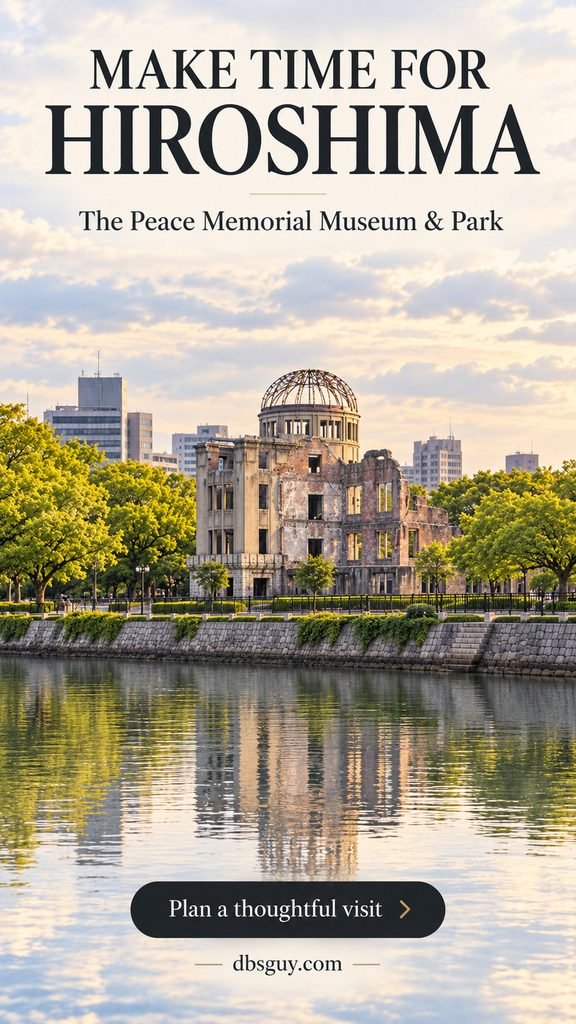
23. Give Hiroshima’s Peace Memorial Museum Your Full Attention
The Hiroshima Peace Memorial Museum deserves time and emotional space. Its exhibits document the atomic bombing and its human consequences; this is a visit to understand history, rather than a quick sightseeing box to check.
Plan the museum and Peace Memorial Park together, with a quiet break afterward. Some material is distressing, so families should decide how to approach it with their children. Follow photography rules and keep a respectful tone around memorials. Avoid packing the museum between activities that force you to rush through it.
Plan it: Central Hiroshima. Allow several hours for the museum and park, with flexibility for your own pace. If you also want Miyajima, giving each its own day is a more comfortable choice.
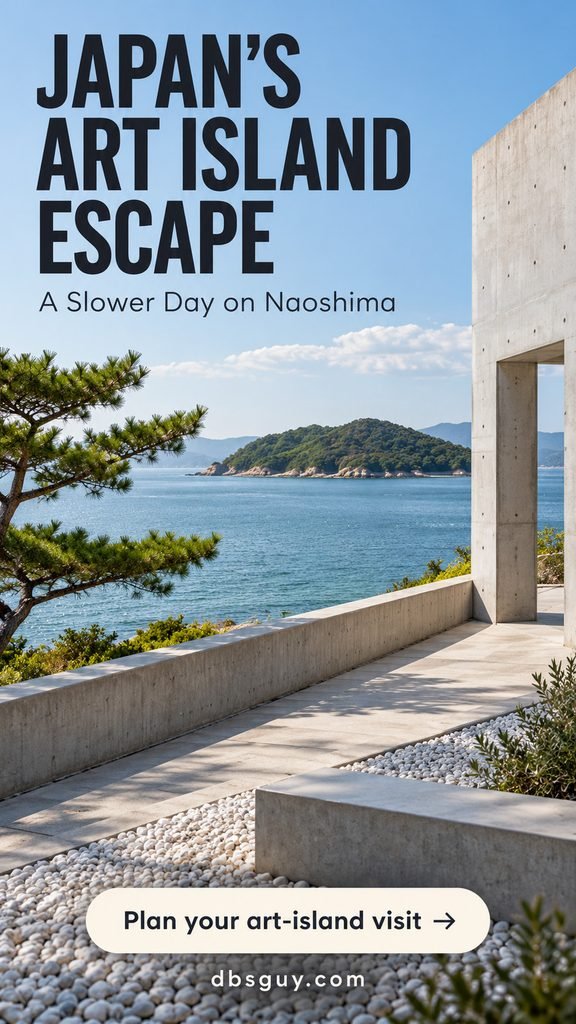
24. Make Naoshima an Art Day, Not a Photo Stop
Naoshima combines museums, architecture, village spaces, and the Seto Inland Sea. Choose one or two art facilities that interest you and let them shape the day, rather than trying to collect every island landmark.
Chichu Art Museum uses limited-capacity ticket slots, so check reservations before arranging your ferry. Museum closing days differ; do not apply one venue’s schedule to the entire island. Allow for local buses, walking, or a suitable rental bike, and check indoor photography restrictions. An overnight stay gives more room for a village walk and sea views between visits.
Plan it: Naoshima, Kagawa. Give it a full day or 1–2 nights. Common ferry approaches use Uno or Takamatsu; confirm the port and sailing that fit your route.
25. Cycle Part of the Shimanami Kaido
The Shimanami Kaido connects islands between Onomichi and Imabari, turning a bike ride into a sequence of sea views, bridge climbs, and small-town stops. A short island outing belongs on the bucket list just as much as an end-to-end ride.
Choose your distance based on fitness, heat, and the bike you can reserve. The full cycling route is about 43 miles before detours; splitting it over two days gives many recreational riders more room for breaks. Reserve rentals and accommodation, confirm return locations and e-bike rules, and have a clear return plan for a shorter ride.
Plan it: The Seto Inland Sea between Hiroshima and Ehime. Allow one day for a selected section or two days for a relaxed full crossing. Bridge approaches involve climbing even when the island roads look flat.

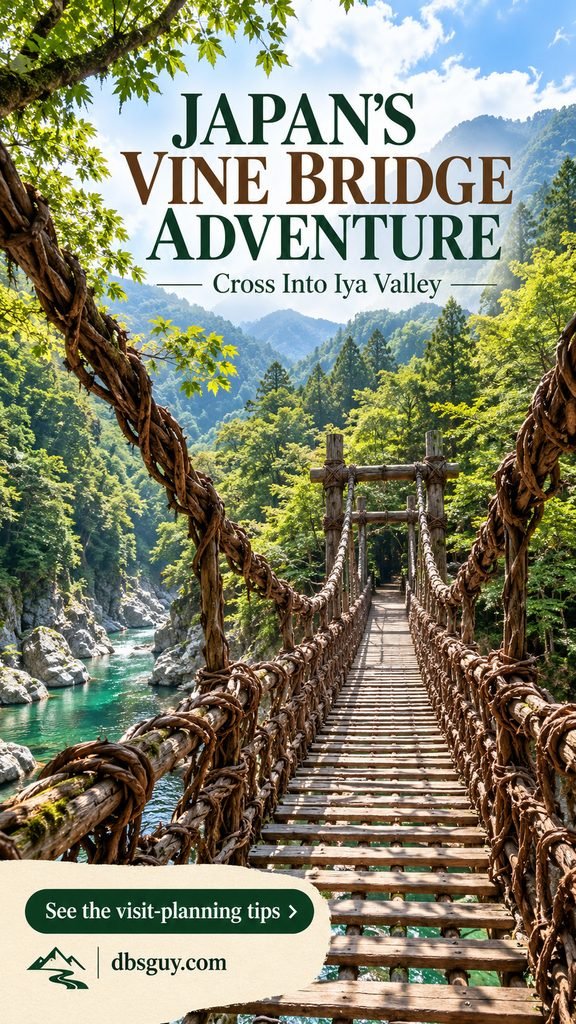
26. Cross Iya Valley’s Vine Bridge
Iya Kazurabashi adds a little physical adventure to a rural Japan trip. The woven sides, spaced wooden slats, and river below your feet create a very different sensation from walking across a modern pedestrian bridge.
Look at the construction and gaps before deciding to cross. It may not suit someone with strong height anxiety or difficulty balancing, and a stroller-friendly crossing should not be assumed. Wear secure shoes and keep loose belongings under control. The surrounding valley is part of the outing, so avoid traveling all that way with time only for the bridge.
Plan it: Iya Valley, Tokushima, on Shikoku. Allow at least half a day locally; an overnight stay is useful for a wider valley visit. Public transport is limited, making the day’s connections especially important.
Kyushu and the Southern Islands: Food, Forests, and Reefs
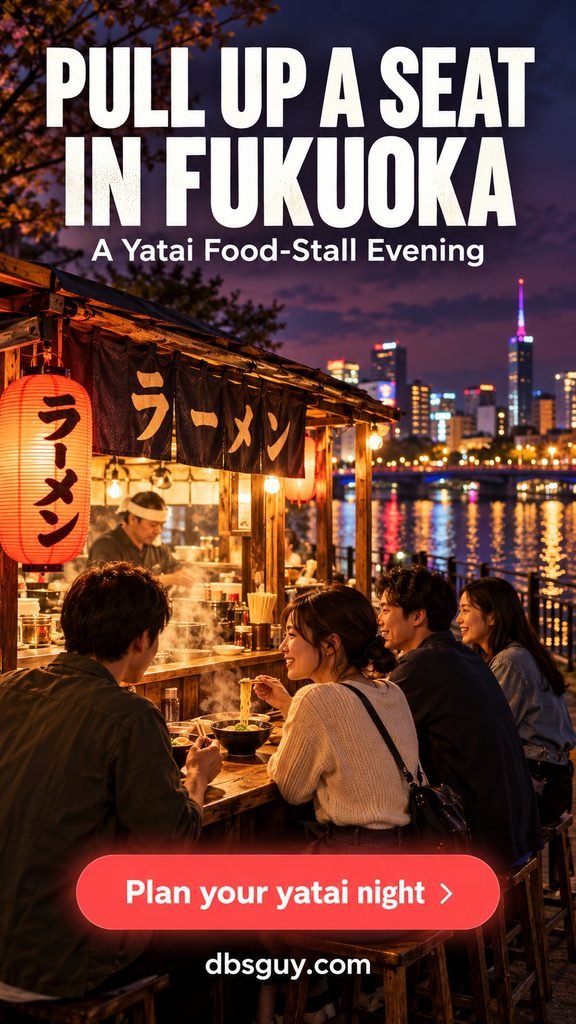
27. Sit Down at a Fukuoka Yatai
A yatai evening is about sharing a small counter as much as ordering dinner. Fukuoka’s outdoor food stalls serve different specialties, including ramen, grilled skewers, and oden; choose a stall with a menu that suits you instead of assuming they all serve the same dishes.
Check prices and minimum-order expectations, bring cash, and keep your bag compact in the limited seating space. Nakasu is a familiar starting area, while other stalls operate around Tenjin and elsewhere. Weather and individual closing days affect availability, so have a nearby restaurant as a backup.
Plan it: Fukuoka, northern Kyushu. Allow an evening with some waiting time. If you do not eat pork, verify both fillings and broth rather than relying on the dish’s appearance.
28. Cook With Hot-Spring Steam in Beppu
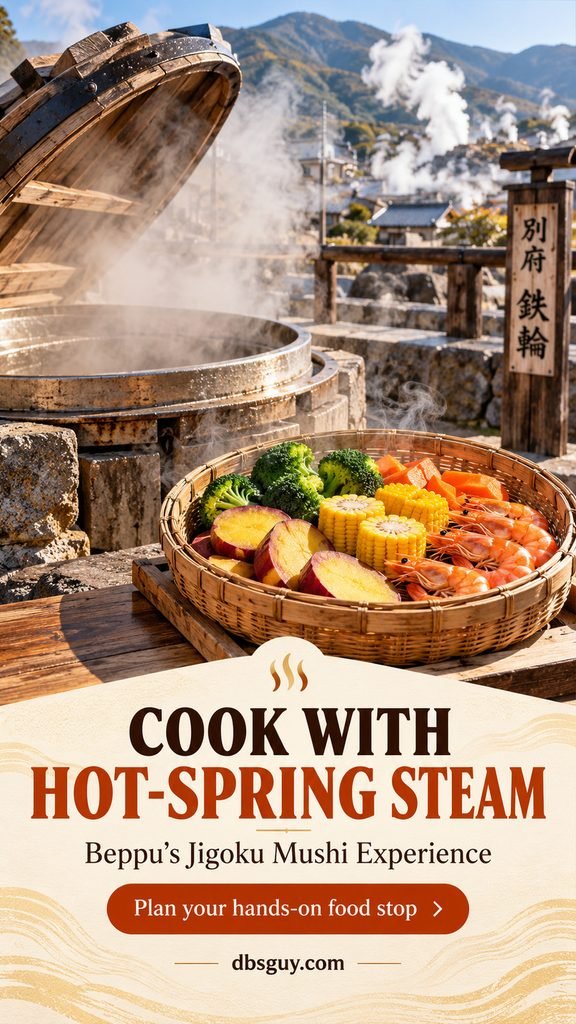
In Beppu’s Kannawa area, jigoku mushi uses geothermal steam to cook food in a dedicated steamer. Vegetables, seafood, meat, and eggs can become part of a hands-on meal, giving the town’s hot springs a role beyond bathing.
Choose an established cooking facility or a guided experience, then follow staff directions for loading and handling the equipment. Ask which ingredients are provided or permitted and how the fee is calculated. Hot steam can burn, so this is not a reason to improvise around a natural vent. Beppu’s sightseeing “hells” are also separate from ordinary bathing pools.
Plan it: Kannawa, Beppu, Oita. Allow 1–2 hours plus any queue. It makes a useful daytime activity during a longer hot-spring stay.
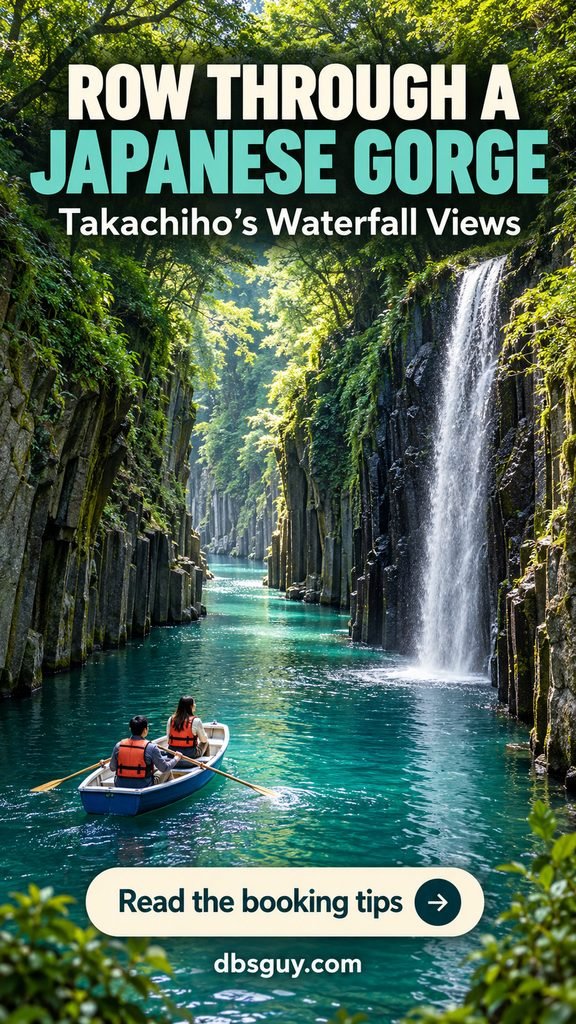
29. Row Through Takachiho Gorge When Conditions Allow
Takachiho Gorge puts you close to columnar rock walls and the Manai waterfall. A rental rowboat offers a low-angle view from the river, while the walking viewpoints provide another way to appreciate the gorge.
Check the town tourism association’s boat calendar and online reservations before traveling. High water, safety inspections, and other conditions can stop operation, and same-day tickets are not guaranteed. Follow the required life-jacket instructions and keep away from the waterfall’s falling water. Build enough time into the visit that a canceled boat ride does not erase the entire day.
Plan it: Takachiho, Miyazaki, in Kyushu. Allow at least half a day locally, plus substantial approach travel. A nearby overnight stay can make an early reservation easier to use.
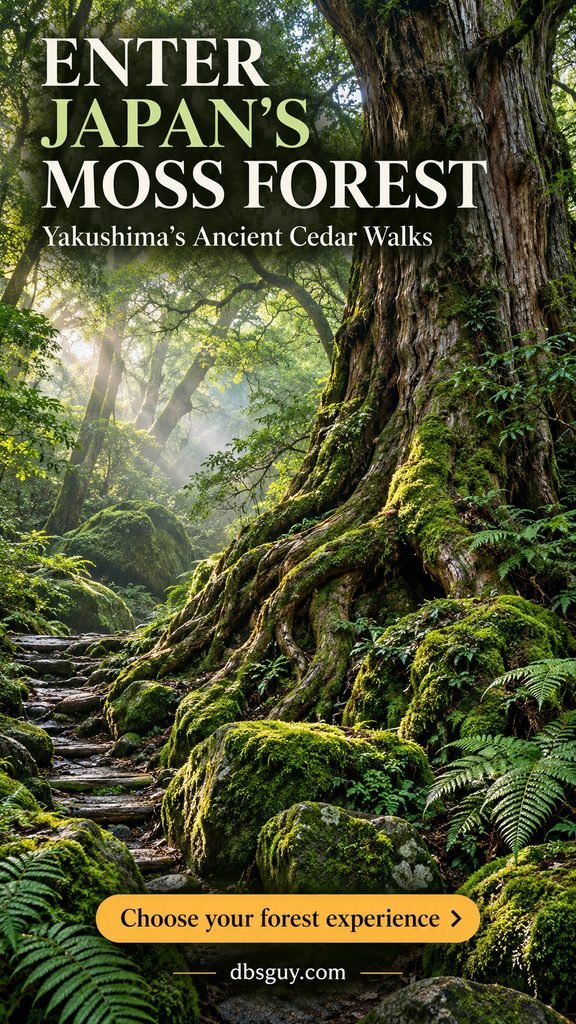
30. Walk Among Yakushima’s Moss and Ancient Cedars
Yakushima’s forest is an experience of texture: wet stone, tree roots, moss, and massive cedar trunks. Shiratani Unsuikyo offers several route choices and can be a more manageable introduction than committing to a long trek to a single famous tree.
Choose the route with current weather and your fitness in mind, ideally with a local guide if you are unsure. Carry proper rainwear and shoes with grip; wet roots and stones need attention. Never step off the route to stand on delicate moss for a photograph. Ferry and flight disruption is another reason to leave flexibility around an island stay.
Plan it: Yakushima, Kagoshima Prefecture. Allow several nights on the island and half a day or more for your chosen forest walk. Longer routes require their own preparation.
31. Snorkel an Ishigaki Reef With a Responsible Guide
Ishigaki adds tropical water to a Japan trip: coral, small reef fish, and the possibility of larger marine life on the right excursion. Choose a guided snorkel tour that selects a suitable site for the day’s conditions and your ability.
Ask about flotation equipment, group size, weather cancellations, and whether beginners can join. Do not touch coral, stand on the reef, feed fish, or pursue turtles and manta rays. Wildlife sightings are never guaranteed. Kabira Bay’s main sightseeing waterfront is not an open-swimming beach; enjoy it from a glass-bottom boat or viewpoint and let a licensed operator choose an appropriate snorkeling location elsewhere.
Plan it: Ishigaki, Okinawa’s Yaeyama Islands. Allow several nights and a flexible half-day excursion. Sea conditions and typhoons can change plans, so keep an alternative land activity available.

Turn the List Into a Realistic Trip
Pick one main region, choose three or four experiences you care about most, then add travel days. The following are editorial route sketches, not bookable schedules:
- 5–7 days for central Japan: Kanazawa, Shirakawa-go, and Takayama. Give each town actual time rather than changing hotels every morning.
- 7–10 days for western Japan: Osaka with Nara or Himeji, then Hiroshima and Miyajima. Extend with an art-island stay only if your days allow.
- About a week for summer Hokkaido: Sapporo and the Furano area, leaving time for transport and changing weather. Shiretoko needs a larger separate eastward extension.
- 7–10 days for a Kyushu introduction: Fukuoka and Beppu, with Takachiho if your transport plan supports it. Yakushima adds another island journey and additional nights.
Choose public transport for well-connected cities, then compare buses, guided outings, and rental-car options for rural legs. A car is a convenience in some regions, not an automatic requirement for the whole trip. Likewise, compare your actual train fares with a rail pass before buying one.
Also read: How To Organize Your Time On Vacation before turning saved ideas into a day-by-day plan.
Frequently Asked Questions
What should I choose for a first trip beyond Tokyo and Kyoto?
Kanazawa and Takayama suit travelers drawn to crafts and historic streets. Osaka with Nara or Himeji is a practical city-based option, while Hiroshima with Miyajima combines history and coastal scenery. Choose the cluster that fits your arrival airport and available days.
Can I see all 31 experiences in two weeks?
No practical two-week vacation should attempt this whole list. It spans northern Hokkaido, mainland cities, Shikoku, Kyushu, and distant southern islands, with experiences that happen in different seasons. Select a region and a small set of priorities.
Which season works best?
Choose by the experience: winter for the Sapporo festival and a cold-season snow-monkey visit; spring for Hirosaki blossoms; July for Furano lavender; and the operating season for Kamikochi. Spring and fall are useful starting points for many walking trips, but local weather, elevation, holidays, and closures matter more than one nationwide “best month.”
Do I need to speak Japanese?
You can plan many of these trips without fluency, but English support varies, especially at rural lodging, small restaurants, and activities. Save addresses in Japanese, download translation tools, carry essential dietary information in writing, and confirm language support when reserving a guided experience.
Which experiences should I reserve first?
Start with date-specific festivals, temple and ryokan stays, limited-capacity museums, rental bikes, and guided outdoor activities. Then work backward to the transport connections. For wildlife parks, boats, and seasonal buses, check current ticket and access rules close to departure as well.
Are these places less crowded than Tokyo and Kyoto?
Some can feel quieter, but this list includes major attractions. Dotonbori, Nara, Miyajima, Shirakawa-go, and famous seasonal events can be busy. An overnight stay, an earlier start, and realistic expectations are more useful than assuming “beyond Tokyo and Kyoto” means undiscovered.
For official destination background and onward planning resources, use the Japan National Tourism Organization’s travel guide, then check each operator’s current schedule before committing to a booking.