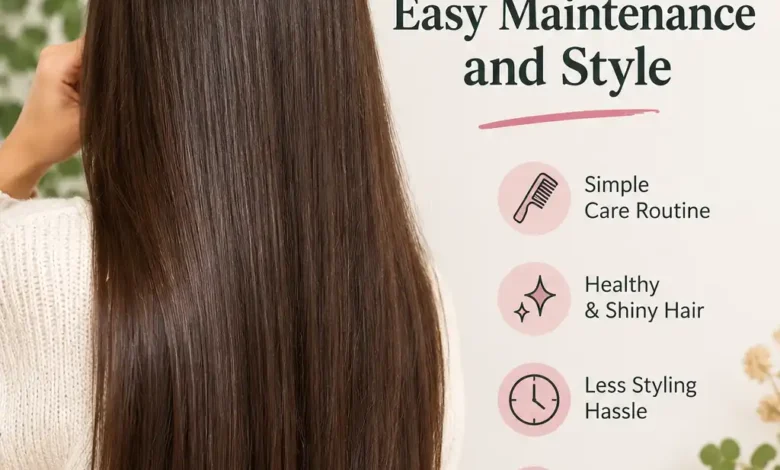
A blunt, single-length cut creates a timeless aesthetic that remains widely popular. Many people choose long hair no layers for its clean shape and modern, sophisticated appeal.

This style supports sleek finishes, tight ponytails, and intricate braids. Choosing long hair without layers creates a versatile base for polished looks with little daily effort.
This guide offers practical advice for growing, washing, and protecting your strands. It also explains how to maintain your ends and master effortless styling routines.
Key Takeaways
- A blunt cut creates a dense, healthy appearance for your tresses.
- Single-length styles are perfect for creating smooth, professional updos.
- Consistent trimming is essential to prevent split ends in blunt cuts.
- Minimalist styling routines save time while keeping your look refined.
- Proper hydration helps maintain the weight and shine of your locks.
What to Expect From Long Hair No Layers
Long hair without layers offers a clean, sophisticated appearance that remains stylish across changing trends. Removing internal graduation creates a solid perimeter that frames your silhouette with precision. This design directs attention away from choppy, textured ends and toward a rich, continuous flow.

How a One-Length Shape Looks and Moves
A one-length shape forms a consistent bottom line that looks remarkably thick and healthy. Because the ends remain full, the hair keeps its natural weight, helping it fall straight and smooth. The style’s movement comes mainly from your hair’s inherent texture, density, and daily styling choices.
When you walk or turn your head, the hair swings as one cohesive unit. This creates a polished aesthetic that feels intentional and well-groomed. Even naturally wavy hair gains a structured base from blunt ends, which helps prevent a messy or unkempt appearance.
Why People Choose Long Hair Without Layers
Many people choose this look because it creates visual fullness that layered cuts may lack. Since every strand ends at the same point, the ends appear dense and robust rather than wispy. This approach maximizes the appearance of your hair volume.
This style is also highly predictable. You avoid awkward grow-out phases and layers that lose their shape after a few weeks. It is a timeless choice for those who prefer a classic, low-maintenance silhouette.
Who Benefits Most From a Blunt, Uniform Length
This cut suits anyone seeking a straightforward approach to beauty. If you are wondering how to maintain long hair with minimal stress, a blunt cut is often the best solution. It simplifies salon visits and makes daily styling more manageable.
People with straight or slightly wavy hair often find this shape most flattering. It highlights the natural shine of the hair and creates a sleek, glass-like finish. Learning how to maintain long hair is simple: regular, even trims keep this style’s bottom line sharp and healthy.
Choosing the Right Length and Shape
Choosing a shape for long hair involves more than selecting a length; it should complement your distinct features. With a one-length style, your hair becomes a canvas that displays its health and natural movement. These hair tips for long hair can help you choose a manageable, flattering result.
Matching Length to Hair Density and Texture
Your hair’s density and texture determine how a blunt cut falls across your shoulders. If you have thick, coarse hair, an extremely long, blunt cut may feel heavy or bulky. Consider a slightly shorter length to improve control and avoid a weighted-curtain effect.
People with fine or thin hair often benefit from a blunt, even hemline. Keeping every end at one level creates the illusion of greater density. It also prevents wispy-looking ends, a common concern for finer textures.

Blunt Ends, Rounded Ends, and Subtle U-Shaped Hemlines
Your hair’s perimeter frames the entire style. Choose its shape according to the impression you want to create:
- Blunt Ends: These provide a sharp, modern, and high-fashion aesthetic that looks incredibly polished when straightened.
- Rounded Ends: This shape softens the overall appearance, making the hair look more natural and less severe.
- Subtle U-Shaped Hemlines: A gentle curve adds movement and prevents the hair from feeling too blocky, which is perfect for those who want a softer transition.
How Face Shape Can Guide the Final Length
Your facial proportions also matter when you decide where long hair should end. The aim is to highlight your best features while balancing your overall silhouette. These hair tips for long hair show how the right length can naturally contour your face.
Considerations for Oval, Round, Square, and Heart-Shaped Faces
Different face shapes respond differently to the weight of long, one-length hair. Consider these adjustments to find your perfect balance:
- Oval: This shape is versatile and can handle almost any length, though keeping it at chest level often highlights your natural symmetry.
- Round: Aim for a length that falls well below the chin to elongate the face, as this creates a slimming effect.
- Square: Soften a strong jawline by opting for a length that hits at or below the collarbone, perhaps styled with a soft wave.
- Heart-Shaped: You can pull off shorter lengths near the shoulders, which helps add volume around the jawline to balance a narrower chin.
Ultimately, choose a length that makes you feel confident and comfortable. You can begin longer and trim upward, but growing out a cut that is too short takes time. Use these hair tips for long hair to guide your next salon visit toward a result you will love.
Preparing to Grow Out Long Hair
Embarking on growing out long hair requires patience and a clear plan. The final style may look beautiful and uniform, but the transition demands consistent care. Healthy habits help protect your hair throughout the process.

Setting a Realistic Hair-Growth Timeline
Most people gain about half an inch of hair growth each month. However, visible progress requires time and dedication. Realistic expectations can reduce frustration while you wait for your hair to reach its desired length.
Managing Uneven Ends During the Growing-Out Phase
During the transition, your ends may appear thin or uneven. This change is natural, especially when moving away from a layered cut. Protective styles and gentle accessories can keep your hair polished while growing out long hair.
When to Trim Instead of Continuing to Grow
Cutting your hair may seem counterintuitive when your goal is length. However, regular maintenance remains vital. Small, strategic trims remove split ends before they travel up the hair shaft. Prioritizing hair health helps keep your hair strong and vibrant as it grows.
How to Take Progress Photos and Track Hair Health
Tracking progress can help you remain motivated. For accurate comparisons, take photos under similar lighting and from similar angles. These images reveal subtle changes in your hair’s texture and length. Consistent tracking makes growing out long hair feel more rewarding and manageable.
Building a Long Hair Care Routine
Creating a consistent long hair care routine helps keep your hair healthy, shiny, and manageable. Because hair needs differ, no single schedule works for everyone. Instead, consider your scalp health, hair texture, and daily activity.

How Often to Wash Long Hair
Wash frequency depends mainly on your scalp’s oil production and daily activities. Oily scalps may need washing every other day to keep roots fresh. Dry or curly hair often benefits from washing once or twice a week, which helps preserve natural moisture.
Let your hair guide you instead of following a strict calendar. If it feels heavy or looks dull, it may need washing. Consistency helps, but flexibility accommodates changing weather or exercise habits.
Applying Shampoo and Conditioner Without Overloading the Length
Proper application helps maintain hair health. Apply shampoo mainly to the scalp, where oil and product buildup collect. Massage suds gently into the roots, then let water carry shampoo through the lengths.
Apply conditioner to the midlengths and ends instead. These sections are oldest and often need the most hydration. Keep heavy conditioner away from roots; it can weigh hair down and leave it flat.
Adding Weekly Moisture and Occasional Protein Care
Hair needs balanced moisture and protein to remain strong and elastic. A deep-conditioning mask once a week can give dry ends the extra hydration they need. If hair feels mushy or loses its shape, consider a protein treatment to reinforce its structure.
- Moisture: Use hydrating masks or oils to keep strands soft and flexible.
- Protein: Use strengthening treatments sparingly to prevent brittleness.
- Balance: Alternate between these treatments based on how your hair feels to the touch.
Adjusting the Routine for Dry, Fine, Thick, or Curly Hair
Matching products to your hair type can significantly improve results. Fine hair often needs lightweight, volumizing formulas that prevent limpness. Thick or curly hair typically benefits from richer, cream-based products that deliver intense moisture and control.
| Hair Type | Primary Need | Product Focus |
|---|---|---|
| Fine | Volume | Lightweight, clear formulas |
| Thick | Control | Rich, moisturizing creams |
| Curly | Hydration | Sulfate-free, oil-rich blends |
Whatever your hair type, your long hair care routine should protect your ends. With gentle cleansing and targeted conditioning, you can enjoy beautiful, healthy hair that grows stronger over time.
How to Maintain Long Hair Without Layers
If you love the look of long hair no layers, careful maintenance protects its clean, dramatic shape. A blunt, uniform cut looks striking, yet its perimeter needs regular care to remain crisp and healthy. Consistent attention keeps the style polished, vibrant, and full from root to tip.

Creating a Trimming Schedule for Clean, Even Ends
The most effective way to learn how to maintain long hair is to establish a reliable trimming schedule. Even while growing your hair, tiny “dusting” trims every 10 to 12 weeks stop breakage from traveling up the hair shaft. This habit keeps ends thick and blunt instead of thin or wispy.
Checking for Split Ends and Mechanical Damage
Regularly checking your hair for wear is essential for long-term health. Look closely at the bottom few inches in bright light for split ends or white dots, which signal mechanical damage. If you notice these signs, schedule a trim before the damage compromises the integrity of your long hair no layers style.
Refreshing the Shape Without Accidentally Adding Layers
At the salon, explain that you want to preserve one uniform length. Refresh only the perimeter; do not add internal texture or face-framing layers that could disrupt the blunt aesthetic. Clear communication helps protect the integrity of your cut.
What to Tell a Hairstylist Before the Appointment
Begin by stating that you want to maintain a one-length, blunt perimeter. Ask for a “dusting” that removes only the very tips of your hair. Then specify whether you prefer a straight-across finish, soft rounded edge, or subtle U-shaped hemline.
Keeping the Bottom Line Full Between Trims
To preserve full ends, handle your hair gently each day and prevent unnecessary breakage. Avoid tight elastics that pull at the ends, and use protective styles to limit contact with rough fabrics. The following table offers a quick guide for meeting your maintenance goals.
| Task | Frequency | Goal |
|---|---|---|
| Dusting Trims | Every 3 Months | Remove split ends |
| Deep Conditioning | Weekly | Maintain elasticity |
| Length Inspection | Monthly | Check for damage |
| Protective Styling | Daily | Prevent friction |
Washing, Detangling, and Drying Without Damage
Protecting long hair begins before styling, during washing and drying. The right hair tips for long hair reduce mechanical stress, breakage, and split ends. Careful handling while wet helps keep your blunt, one-length style healthy and vibrant.

Detangling Long Hair From the Ends Up
Begin detangling at the very bottom of your hair. Working upward clears small knots before they become tighter tangles near the roots. This gradual approach keeps the brush from catching on stubborn knots, a common cause of snapping.
Choosing a Wide-Tooth Comb or Gentle Detangling Brush
Your tool matters for long, uniform lengths. A wide-tooth comb suits wet hair because it glides through strands without adding tension. If you prefer a brush, choose one made for detangling, with flexible, soft bristles that do not pull your scalp.
Using a Microfiber Towel or Cotton T-Shirt to Blot Water
Standard bath towels can be too rough for delicate, wet hair. Use a soft microfiber towel or an old cotton T-shirt to remove excess moisture. Gently blot the hair instead of rubbing it; friction lifts the cuticle and causes unwanted frizz.
Air-Drying Techniques for Smooth, Polished Results
Air-drying helps maintain your hair’s natural integrity. For a polished look, smooth your hair gently with your fingers or a wide-tooth comb while it remains damp. Avoid repeated touching as it dries, because this can disrupt the cuticle and create flyaways.
Preventing Knots at the Nape and Underneath the Hair
The nape is a high-friction zone, where contact with clothing and collars often causes tangles. Apply a small amount of leave-in conditioner there to keep strands slippery and smooth. These simple hair tips for long hair help your ends look clean and full.
Heat Styling Long Hair No Layers
With long hair without layers, your styling routine helps preserve its signature blunt perimeter. The cut looks elegant naturally, yet its ends need careful handling to stay full and healthy. Controlled heat creates a polished finish while emphasizing the beauty of one uniform length.

Applying Heat Protectant to the Midlengths and Ends
Before using any hot tool, apply a high-quality heat protectant. Concentrate it on the midlengths and ends, which are the oldest, most vulnerable areas. Always distribute the product evenly to form a barrier against thermal damage.
Blow-Drying for Smooth, Straight Movement
For a sleek, straight finish, attach a concentrator nozzle and direct airflow downward. This smooths the cuticle, an important step when styling long hair to limit frizz. Keep the dryer moving to prevent overheating one section.
Creating Soft Waves Without Choppy Layers
Add movement with a large-barrel curling iron or a flat iron. Create loose waves below the cheekbones to preserve the weight and fullness of blunt ends. Avoid over-styling; enhance your natural texture instead of forcing a rigid shape.
Choosing Safe Temperature Settings for Different Hair Types
Selecting the right temperature protects hair integrity. Always begin with the lowest effective setting for your texture to minimize potential damage.
| Hair Texture | Recommended Heat | Styling Goal |
|---|---|---|
| Fine/Damaged | 250°F – 300°F | Gentle smoothing |
| Medium/Normal | 300°F – 350°F | Polished waves |
| Thick/Coarse | 350°F – 400°F | Deep styling |
Why Repeated High Heat Can Make Blunt Ends Look Thin
Repeated exposure to high heat can cause cumulative dryness and breakage. Brittle ends can split or break off, making the blunt perimeter look sparse or stringy. Moderate heat protects end density and keeps the style thick and intentional.
Easy Everyday Looks for Long Hair No Layers
Long hair with a blunt perimeter creates a clean, versatile canvas for everyday styles. When styling long hair at one length, emphasize the weight and health of your ends instead of using choppy layers for texture.

A Sleek Center-Parted Style
A sharp center part emphasizes symmetry. This look works best when your hair is smooth and free of frizz. Apply a light serum to tame flyaways and help your hair reflect light for a polished, glass-like finish.
A Low Ponytail With a Polished Finish
For a professional look, gather your hair at the nape of your neck. A low ponytail keeps it secure while displaying your cut’s full, blunt ends. Use a snag-free hair tie to prevent breakage and protect strand integrity.
A Relaxed Side Ponytail for Casual Days
If you prefer a softer aesthetic, choose a side ponytail. This style adds asymmetry without requiring permanent cutting. It offers an approachable method of styling long hair when you want to keep your face clear and maintain a relaxed vibe.
A Simple Half-Up Style That Shows Off the Length
A half-up style keeps hair from your eyes while showing the impressive length of your one-length cut. Pull back the top section and secure it with a decorative clip or soft scrunchie. This technique adds volume at the crown while letting the bottom layers flow freely.
A Low Bun That Keeps the Ends Controlled
When you need to protect your ends from friction, choose a low bun. Tucking your hair into a loose, low bun reduces exposure to environmental damage. This effortless style keeps hair controlled and tidy throughout a busy day, making it ideal for careful styling long hair.
Best Hairstyles for Long Hair Without Layers
Long hair without layers creates a uniform canvas for versatile looks. You can shift between polished and relaxed styles while preserving your blunt hemline. Finding the best hairstyles for long hair means working with your natural texture to emphasize its full-bodied shape.

Long Beach Waves With an Even Hemline
Beach waves look striking on one-length hair because they emphasize the ends’ weight and fullness. Use a large-barrel curling iron to create soft movement from root to tip. This style keeps the hemline thick and healthy without choppy, thinning layers.
Glass-Hair Straightness With Blunt Ends
For a high-fashion aesthetic, few styles match the sleekness of glass-hair straightness. A flat iron and smoothing serum create a mirror-like finish that highlights your precise, blunt cut. It is one of the best hairstyles for long hair for showcasing healthy, dense ends.
Loose Braids for Texture and Low-Effort Styling
Braids add visual interest without requiring a haircut. A loose, side-swept braid creates a soft, romantic mood while keeping your hair contained and protected. Since your hair remains one length, the braid stays consistent and full from top to bottom.
High Ponytails and Wrapped Ponytail Bases
A high ponytail is a timeless choice that looks polished on blunt-cut hair. Take a small underside section and wrap it around the base to conceal the elastic. This simple trick adds a professional finish, making your best hairstyles for long hair look salon-ready.
Claw-Clip Styles for Fast, Gentle Updos
Claw clips create quick, damage-free updos that hold hair securely. Twist your hair upward, then secure it with a large clip to protect the tucked ends from friction. This method suits busy days when you want your hair off your neck while preserving a chic, effortless appearance.
How to Choose Accessories That Do Not Pull on the Hair
Choose accessories made from materials that reduce tension and prevent breakage. Silk or satin-covered scrunchies glide over hair instead of snagging strands. Avoid metal clasps and tight rubber bands, which can cause mechanical damage to delicate ends.
| Style | Best For | Effort Level |
|---|---|---|
| Glass Straight | Formal Events | High |
| Beach Waves | Casual Outings | Medium |
| Loose Braids | Daily Protection | Low |
| Claw-Clip Updo | Quick Styling | Low |
Adding Volume Without Cutting Layers
You can keep a blunt, uniform length and still create a fuller, more voluminous look. When styling long hair without layers, the strands’ weight often pulls the shape downward. This gravity-defying challenge is especially common with dense or naturally straight hair textures.

Why One-Length Hair Can Look Flat at the Roots
Flat roots usually result from the hair’s overall weight. Without layers to remove bulk, the hair forms a heavy curtain against the scalp. That weight creates a sleek, polished appearance but reduces the lift that shorter or layered cuts provide.
Using Root-Lifting Products Without Drying the Ends
To combat flatness, apply volumizing mousse or root-lifting spray only to the crown. Always avoid applying these products to your ends, as they can cause buildup and make the hair look stringy. Keeping heavy styling products away from the bottom helps the ends stay soft and healthy while giving the roots needed height.
Creating Volume With a Round Brush and Blow Dryer
Using a round brush is a classic way to achieve professional results when styling long hair. Lift the hair at the root while blow-drying so the strands stand up instead of lying flat. Aim airflow toward the roots while the brush holds the hair in place to create lasting, bouncy volume.
Changing the Part for Instant Lift
Sometimes, the simplest solution works best. If you usually wear a center part, flip your hair to the opposite side for an immediate volume boost. This shift makes the roots stand up, creating natural lift that lasts throughout the day.
Using Velcro Rollers or Heatless Methods
Velcro rollers add body without causing excessive heat damage. Roll the crown sections when the hair is slightly damp or after a quick blow-dry. Leave them in for twenty minutes while you get ready to create noticeable, soft root lift.
| Method | Best For | Effort Level |
|---|---|---|
| Root-Lifting Spray | Fine, flat hair | Low |
| Round Brush Blow-Dry | Polished, smooth volume | High |
| Part Switching | Instant, quick lift | Very Low |
| Velcro Rollers | Long-lasting body | Medium |
These techniques can help you master the art of styling long hair for a full, vibrant appearance. Consistency remains essential when maintaining volume in a one-length cut.
Making Long Hair No Layers Flattering Around the Face
Your long hair without layers creates an ideal canvas for styling around the face. A blunt cut may seem limiting, yet it gives varied looks a clean, controlled foundation. Change the direction of hair near your temples and cheeks to refresh your appearance.

Using a Center Part for a Balanced Appearance
A center part suits long hair no layers because it creates a symmetrical frame. It gives both sides of your face equal emphasis. This polished, modern style feels deliberate and sharp.
Trying a Side Part for Softness and Asymmetry
If you prefer softness, try a deep side part to reduce the blunt cut’s severity. Sweeping more hair aside creates an asymmetrical flow that gently softens the jawline. This approach ranks among the best hairstyles for long hair when you want movement without losing length.
Styling the Front Pieces Without Creating Permanent Layers
You can create a face-framing effect without committing to permanent layers. Use a curling iron or round brush to form temporary bends toward your face. These soft waves suggest texture while preserving your hair’s clean perimeter.
Using Waves, Tucks, and Accessories to Frame the Face
Tucking one side behind your ear can quickly change your silhouette. Decorative clips or pins can pull back front sections and open your face while preserving your hair’s weight. These methods offer flexibility throughout your daily routine.
“The beauty of a one-length cut lies in its versatility; you can manipulate the front sections to suit your mood without ever needing a pair of scissors.”
Keeping Face-Framing Pieces Blended With the One-Length Shape
Make sure your front pieces transition smoothly into the rest of your hair. Avoid over-curling the ends, which can make your hair look shorter. Instead, create gentle, loose waves that blend naturally with the blunt ends.
| Technique | Effect | Best For |
|---|---|---|
| Center Part | Symmetry | Oval Faces |
| Side Part | Softness | Square/Round Faces |
| Ear Tuck | Openness | Casual Styling |
| Loose Waves | Volume | Adding Texture |
Preventing Breakage and Supporting Long Hair Loss Prevention
Understanding the difference between natural shedding and mechanical damage is the first step in long hair loss prevention. Many people confuse normal hair loss with breakage, but these problems require different solutions.

Recognizing the Difference Between Shedding and Breakage
Shedding is a natural biological process in which hair finishes its growth cycle and falls from the root. You typically see a full strand with a small white bulb at the end.
In contrast, breakage happens when physical stress or dryness causes the hair shaft to snap. These pieces are often shorter than your full length and may have split or frayed ends, showing that your long hair loss prevention strategy needs adjustment.
Reducing Tight Hairstyles and Repeated Tension
Constant tension from tight ponytails, buns, or braids can cause traction alopecia over time. This damage often appears around the hairline or where the hair tie sits most often.
Try varying your hairstyles to avoid stressing the same follicles each day. Using gentle, fabric-covered hair ties instead of thin rubber bands can significantly reduce the risk of snapping your strands.
Protecting Hair During Sleep With a Loose Braid or Silk Pillowcase
Hair experiences considerable friction as you toss and turn at night. A loose braid keeps your hair contained and prevents tangles from forming during sleep.
Switching to a silk or satin pillowcase is another excellent way to protect your hair. These smooth surfaces let hair glide easily, reducing mechanical friction that causes morning breakage.
Managing Friction From Coats, Scarves, Bags, and Headrests
Daily accessories can cause hidden damage to long hair. Constant rubbing against heavy coat collars, scarf fabrics, or bag straps can wear down the cuticle.
Whenever possible, move your hair to the front of your body when wearing a backpack or heavy coat. This simple habit supports long hair loss prevention by keeping your ends away from abrasive surfaces.
When Excessive Shedding or Thinning Should Be Discussed With a Doctor
Although styling habits cause many hair issues, some changes require professional attention. If you notice sudden, excessive shedding or widening parts, consult a medical expert.
Persistent scalp irritation, bald patches, or thinning that does not improve with better care should be evaluated. A doctor can determine whether your long hair loss prevention needs include addressing underlying health or nutritional factors.
Protecting Long Hair During Exercise, Sleep, and Weather Changes
Maintaining long hair requires daily adjustments for sleep, exercise, and changing weather. Mindful strand care supports long hair loss prevention and protects overall hair health. Small routine changes can greatly improve how your hair looks and feels over time.

Securing Hair for Workouts Without Pulling at the Roots
Tight hairstyles, including high ponytails, place unnecessary stress on your follicles. Choose loose, low-tension styles, such as a soft braid or loose bun secured with a silk scrunchie. These styles keep hair away from your face while reducing breakage during intense movement.
Reducing Sun, Chlorine, and Saltwater Damage
Before entering a pool or ocean, always saturate your hair with fresh water or leave-in conditioner. This protective barrier limits how much damaging chemical or salt your hair absorbs. After swimming, rinse thoroughly to remove residue that may cause dryness or brittleness.
Keeping Long Hair Protected in Cold, Dry Weather
Winter air often removes moisture from strands, causing static and breakage. Wear a silk-lined hat or tuck your hair inside your coat to protect it from harsh winds. Lightweight hair oil on the ends helps retain hydration and preserve softness in dry climates.
Preventing Frizz and Tangling in Humid Conditions
Humidity often challenges anyone maintaining a smooth, one-length look. Use these essential habits to control frizz and tangling:
- Apply a smoothing serum to your midlengths to seal the cuticle.
- Use a wide-tooth comb to gently detangle your hair before heading outside.
- Consider a protective, low-maintenance style like a loose twist to keep your hair contained.
Consistent humid-weather care supports your long hair loss prevention strategy. Keeping hair hydrated and protected helps preserve healthy, vibrant length in any environment.
Solving Common Problems With One-Length Long Hair
Maintaining a substantial perimeter takes patience and proper technique. A blunt cut looks elegant, but it can create challenges that require troubleshooting. Learning how to maintain long hair keeps your style healthy and vibrant without requiring a drastic change.

What to Do When the Ends Look Dry or Stringy
Dry, stringy ends often appear when scalp oils cannot reach the bottom of your hair. Focus conditioner on the last three inches of your hair. Apply a lightweight hair oil or hydrating serum to damp ends to seal in moisture and prevent a brittle, transparent appearance.
How to Handle Flat Roots and Heavy Length
The weight of long, one-length hair can pull at the roots and reduce volume. Apply root-lifting spray or volumizing mousse only to the scalp area. Avoid heavy conditioner near the crown, which can add weight and make your hair appear greasy.
Fixing Static, Frizz, and Flyaways
Static is common during the dry winter months in the United States. Rub a tiny amount of hair oil between your palms, then smooth it lightly over your hair’s surface. A boar bristle brush can distribute natural oils, tame flyaways, and add healthy shine.
Refreshing Hair Between Washes Without a Dull Coating
When your hair feels limp between washes, use a high-quality dry shampoo. Apply it to the roots and brush thoroughly to prevent white, chalky residue. A dull coating may signal excess styling product; use clarifying shampoo once every two weeks to reset your hair’s natural texture.
Managing a Blunt Shape That Feels Too Severe
A perfectly straight hemline can sometimes feel too rigid for your face shape. You can soften the look without cutting layers by styling your hair differently. Small styling adjustments can significantly change your overall appearance.
Using Texture, a Different Part, or a Soft Wave to Add Movement
Moving from a center part to a deep side part can add volume and reduce a blunt cut’s severity. Soft, loose waves from a curling iron add movement, making the length feel lighter and more playful. These temporary choices show how to maintain long hair while keeping your look fresh and versatile.
| Common Issue | Quick Solution | Long-Term Fix |
|---|---|---|
| Dry Ends | Apply hydrating oil | Regular dusting trims |
| Flat Roots | Root-lifting spray | Change your part |
| Static/Frizz | Smoothing serum | Silk pillowcase |
| Heavy Weight | High ponytail | Lightweight products |
Essential Tools and Products for Long Hair Care
Healthy, flowing locks need selected tools that protect each strand from root to tip. These hair tips for long hair simplify your routine, reduce mechanical stress, and preserve the natural beauty of a one-length style.

Brushes and Combs for Gentle Detangling
These hair tips for long hair begin with a high-quality detangling tool. A wide-tooth comb is essential for wet hair because it glides through knots without snapping delicate strands. On dry hair, a boar bristle brush distributes natural oils from scalp to ends, promoting a healthy shine.
Shampoo, Conditioner, and Leave-In Products
Choose cleansing products that match your specific scalp needs while providing deep hydration to the lengths. Moisturizing conditioner keeps the ends soft and manageable. Apply a lightweight leave-in conditioner to help seal the cuticle and prevent moisture loss throughout the day.
Heat Protectants, Smoothing Serums, and Lightweight Oils
Heat styling can cause damage, so a reliable thermal protectant is essential. Smoothing serums and lightweight oils tame flyaways and create a polished finish. Apply these products to the mid-lengths and ends, preventing weighed-down roots.
Hair Ties, Claw Clips, Silk Accessories, and Sectioning Tools
The right accessories prevent unnecessary breakage and tension. Silk scrunchies are gentler than traditional elastic bands because they reduce friction. Claw clips secure your hair without the pulling associated with tight ponytails.
How to Avoid Products That Make Long Hair Heavy or Greasy
Strategic application helps prevent a heavy, greasy appearance. Begin with a pea-sized amount, then work it through your palms before touching your hair. Apply products only to the bottom two-thirds, keeping heavy oils and creams away from your roots.
| Tool/Product | Primary Benefit | Best Usage |
|---|---|---|
| Wide-Tooth Comb | Prevents breakage | Detangling wet hair |
| Lightweight Oil | Adds shine | Smoothing dry ends |
| Silk Scrunchie | Reduces friction | Daily styling |
| Heat Protectant | Prevents damage | Before blow-drying |
By following these simple yet effective habits, you keep your hair healthy and manageable. Consistent use of these tools and products noticeably improves the texture and appearance of long, one-length hair.
A Simple Weekly and Monthly Maintenance Plan
A structured plan supports successfully growing out long hair without overwhelming you. Breaking tasks into manageable timeframes builds a consistent long hair care routine that keeps strands healthy and vibrant.

Daily Habits That Keep the Length Smooth
Your daily routine should minimize friction and mechanical stress. Before starting your day, gently detangle your hair from the ends upward. Protecting your hair during sleep with a silk pillowcase or loose braid prevents unnecessary morning knots.
Weekly Washing, Conditioning, and Detangling Tasks
Once a week, set aside time for deeper cleansing and hydration. Focus shampoo on the scalp, then apply conditioner mainly to the midlengths and ends to preserve moisture balance. Thorough detangling prevents small knots from becoming larger, damaging mats.
“Healthy hair is not an overnight miracle; it is the result of daily dedication and gentle care.”
Monthly Checks for Split Ends, Product Buildup, and Shape
Every month, inspect your ends for signs of fraying or splitting. Clarify your hair to remove lingering product buildup that can make locks feel heavy or dull. This is an ideal time to assess whether your shape still supports your goals for growing out long hair.
Seasonal Adjustments for Humidity, Dryness, and Heat
Your hair’s needs change as the weather shifts throughout the year. In humid summer months, use anti-frizz serums; in winter, add extra deep conditioning against dry indoor air. Adapting your long hair care routine to the environment helps prevent breakage.
When to Book a Professional Trim or Hair Consultation
You do not need constant salon visits to maintain your length. Book a professional trim every three to four months to dust off split ends and keep your hemline sharp. If you feel unsure about your progress, a quick consultation can adjust your strategy without sacrificing hard-earned growth.
Conclusion
Achieving a beautiful, one-length style takes patience and daily care. A consistent routine keeps your ends polished and healthy for years.
Gentle washing and careful detangling reduce unnecessary stress on your strands. Controlled heat styling and low-tension updos help preserve your hair’s integrity. Together, these adjustments support effective long hair loss prevention while preserving your desired aesthetic.
Regular shape checks keep blunt ends crisp and full. Adapt these techniques to your unique hair texture and lifestyle needs. Whether your hair is fine and straight or thick and curly, healthy length remains within your control.
Prioritize hair health by choosing products that support your specific goals. These habits let you enjoy the elegance of long hair without layers while keeping your scalp and strands in peak condition. Your dedication to these practices shapes your long-term hair success.
FAQ
What is the main benefit of choosing long hair no layers for my daily style?
Choosing long hair no layers creates a clean, recognizable shape that highlights thickness and health. This one-length cut suits an ultra-polished glass-hair look with products like Color Wow Dream Coat. Because the perimeter stays uniform, the ends often look fuller, making sleek ponytails and classic braids easier without shorter pieces poking out.
How do I maintain long hair so it stays healthy while I am growing it out?
Learning how to maintain long hair begins with regular trims. During growth, visit a stylist every 12 to 16 weeks for a “dusting” that removes split ends. Use a bond-builder like Olaplex No. 3, and detangle from the ends upward with a Tangle Teezer or wide-tooth comb, preventing mechanical breakage.
Can I still get volume when styling long hair without layers?
Yes! Although a one-length cut can feel heavy, a root-lifting spray like Living Proof Full Root Lift can add lift. Change your part from the center to a deep side part for instant volume. Or, place Velcro rollers at the crown while your hair cools after blow-drying, creating height without cutting into your length.
What does an effective long hair care routine look like?
A strong long hair care routine centers on moisture and protection. Apply shampoo, such as Pureology Hydrate, only to your scalp to remove oils; let suds rinse through the ends. Instead, apply rich conditioner or a weekly mask like the Briogeo Don’t Despair, Repair! from mid-lengths to tips, avoiding weighed-down roots.
What are the best hairstyles for long hair that has a blunt, one-length cut?
Top hairstyles for long hair without layers include sleek, center-parted straight looks, low polished buns, and long beach waves. To avoid a “choppy” look, use a large-barrel curling iron like the GHD Curve Soft Curl Iron. Brush the curls gently afterward for a soft, uniform flow. High, wrapped ponytails also look striking with a blunt hemline.
How can I practice long hair loss prevention and reduce breakage?
For effective long hair loss prevention, avoid high-tension styles like tight top knots that pull on the hairline. Use silk accessories, such as Slip silk scrunchies, and sleep on a silk pillowcase to reduce friction. If thinning or shedding exceeds the normal 50-100 hairs a day, consult a medical professional for a personalized evaluation.
How do I prevent my ends from looking dry or stringy?
When styling long hair at one length, remember that its ends are oldest and need the most TLC. Apply a few daily drops of lightweight oil, like Moroccanoil Treatment Light, to seal in moisture. Also, use dedicated heat protectant before a blow dryer or flat iron to prevent high heat from thinning your blunt perimeter.
Is long hair without layers suitable for all face shapes?
Absolutely! Long hair without layers is a versatile choice for all face shapes. It is versatile: a center part creates symmetry for oval faces. For a round or square face, hair slightly longer than chest level can elongate your profile. Use “hair tucks” behind the ears or decorative clips from brands like Invisibobble to change the silhouette temporarily, without a permanent cut.