
Abuse in a relationship does not always begin with something dramatic or obvious. More often, it starts quietly — with small behaviors that are easy to excuse, explain away, or miss entirely when you care about someone. That is exactly why early warning signs matter so much: the sooner you can name a pattern, the sooner you can decide what to do about it.
The signs below come from real conversations about what people noticed only in hindsight. No single sign on its own proves that a partner is abusive, and every relationship has difficult moments. But when several of these patterns show up together, or when one keeps repeating, it is worth paying close attention. If you are wondering whether your own relationship has crossed a line, you are not overreacting for asking the question — and if any of this feels familiar, learning how manipulative people earn trust can help you see the bigger picture too.
A note before we begin: this post discusses emotional, verbal, and physical abuse in general terms. If you or someone you know is in immediate danger, call your local emergency number. In the United States, the National Domestic Violence Hotline is available 24/7 at 1-800-799-7233.
1. They Slowly Cut You Off From Friends and Family

Isolation rarely arrives as a direct order to stop seeing people. It usually sounds much sweeter than that: they simply want to spend every evening with you, or they feel left out when you text a friend. Bit by bit, the small frictions add up — a tense comment after a night out, a sulk when you make weekend plans — until staying home starts to feel easier than going out. Healthy love makes room for your other relationships; control slowly removes that room.
2. They Start Controlling Who You See and What You Do
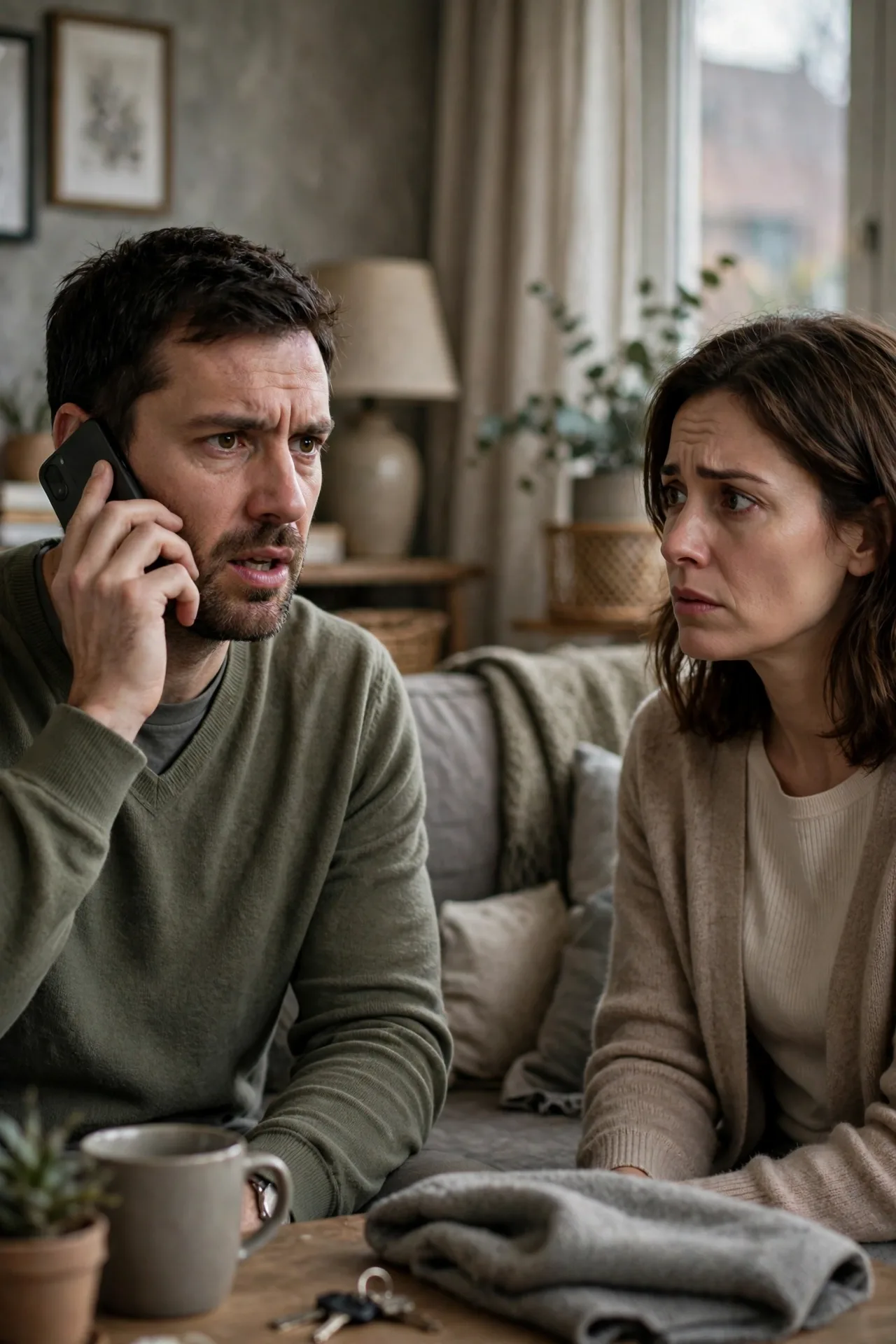
What begins as a preference can quietly turn into a set of rules. They do not like your friends, so you stop inviting them over. They comment on your clothes, your hairstyle, or your makeup until you start dressing to avoid a reaction. They want your work schedule changed so your free time matches theirs, or they insist on driving you everywhere instead of letting you take the bus. Each rule on its own might sound like a quirk — together, they add up to one person deciding how the other person lives.
3. They Dismiss You With “Jokes” That Aren’t Funny

There is a big difference between teasing that makes both people laugh and a cutting remark that is waved away with “I was only joking.” When the “jokes” are always at your expense — your intelligence, your appearance, your ambitions — they are not jokes at all. They are a way to put you down while making it hard for you to object, because objecting just proves you “can’t take a joke.” Pay attention to how you feel afterward, not to the excuse.
4. They Brag About How They’d “Never” Hurt Someone

Most people do not announce their basic decency as an achievement. So when someone repeatedly brags that they would never hit a partner, or lectures others about why people “go back” to abusive relationships, it is worth noticing. Respect for a partner should be the default, not a badge of honor. Loudly advertising it can be a way of building a reputation that makes the private reality harder for others to believe.
5. A Cluster of Small Controlling Behaviors Appears All at Once

Sometimes the warning is not one behavior but several arriving together. They drive aggressively while you are in the passenger seat, then criticize how you do ordinary chores as if you need constant supervision. The relationship moves very fast — big declarations of love within weeks — and every disagreement somehow becomes a conversation about their feelings instead of the actual problem. They may also pressure you about physical boundaries. Any one of these deserves a conversation; the whole cluster deserves serious attention.
6. They Physically Block or Grab You During Arguments

Disagreements are normal; using your body to trap someone during one is not. If a partner stands in the doorway so you cannot leave, holds your arm, or grabs you to stop you walking away, that is physical intimidation, even if it leaves no mark. The message is clear: you do not get to end this conversation on your terms. Being able to step away from an argument safely is a basic boundary in any relationship.
7. They Can’t Control Their Anger

Everyone loses their temper sometimes, but there is a line between a raised voice and a pattern of destruction. Punching walls, throwing a game controller, slamming doors, or sweeping things off a counter are all ways of showing you what their anger is capable of — without ever touching you. When anger regularly turns into broken objects, the fear it creates is the point, whether or not they admit it. Needing alcohol or other substances to get through a bad day can make this pattern even more unpredictable.
8. Fights That Never Get Resolved — and a Hot-and-Cold Pattern

In a healthy relationship, arguments eventually end with an apology, a change, or at least an understanding. With a controlling partner, the same fight circles back again and again: if they caused it, there is no real apology and nothing changes; if you caused it, you apologize and try to fix it, and they still bring it up weeks later. Add in the hot-and-cold rhythm — one day they are impossibly romantic, the next they are distant for no reason — and you end up working constantly to win back the nice version of them. Some people even find that arguments are deliberately dragged late into the night, until exhaustion makes resistance impossible.
9. “Play” That Leaves You Hurt or Uncomfortable

Roughhousing between partners should be something both people enjoy. When “just playing around” regularly leaves you sore, startled, or uncomfortable — and your discomfort is laughed off or ignored — that is not playfulness. It is a test of how much discomfort you will accept, disguised as a joke. How someone responds the first time you say “that hurt” tells you almost everything you need to know.
10. They Trash Every Ex and Give No Real Explanation

Most breakups have a story with two sides. So when someone describes every former partner as crazy, unstable, or impossible — without ever explaining what actually happened — treat that as information, not gossip. A person who takes no responsibility for any past relationship is unlikely to take responsibility in this one either. How they talk about people who are no longer around to defend themselves is a preview of how they will talk about you one day.
11. You’re Always the One Apologizing

In any relationship, both people make mistakes and both people apologize. If you look back and realize you have apologized for every single argument — even ones you are not sure were your fault — while your partner has never once taken responsibility, something is off. Subtle pressure can make apologizing feel like the only way to get life back to normal. But an apology should be a genuine acknowledgment, not a toll you pay to end a fight. If you are constantly saying sorry just to keep the peace, the peace was never really there.
12. They Use Threats to Win Arguments

A disagreement should be settled with words, not warnings. When a partner threatens consequences — to leave, to harm themselves, to reveal something private, to take something away — in order to get their way, they have stopped trying to convince you and started trying to frighten you. Even vague threats work, because your imagination fills in the rest. If you find yourself agreeing just to make the threat stop, you are not resolving a conflict; you are being controlled by it.
13. A Pattern of Disrespect Toward Others
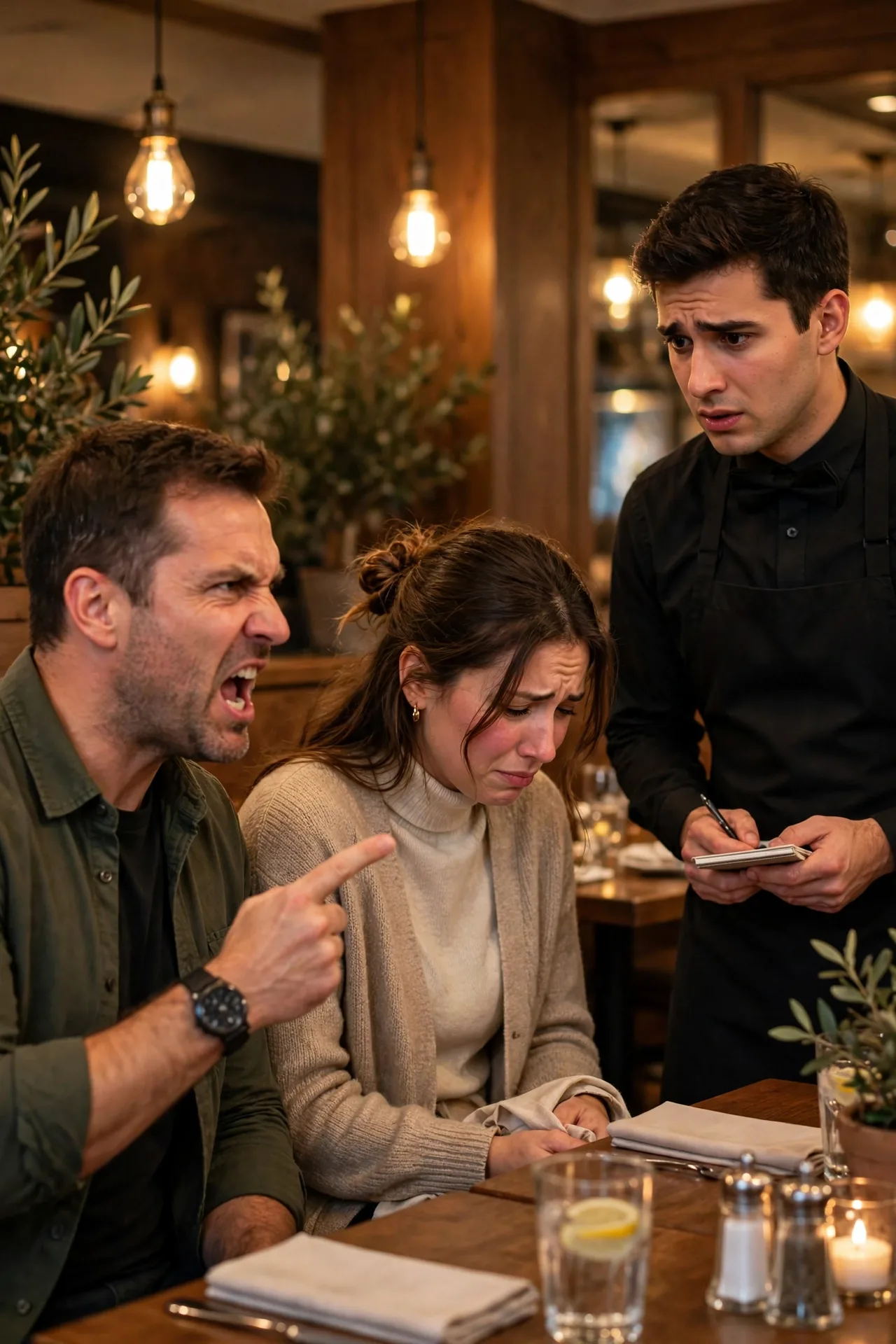
How someone treats people who cannot fight back is one of the most reliable clues about their character. Explosive road rage, sneering comments about women or minorities, a general lack of empathy, or casual cruelty toward animals and children all point the same way. It is tempting to think that because they are kind to you, the rest does not matter — but kindness that is reserved only for the people they want something from is not kindness. If they are willing to be cruel to strangers, they have already shown you what they are capable of.
14. They Police What You Wear

There is nothing wrong with a partner having an opinion about an outfit. There is a lot wrong with a partner deciding what you are allowed to wear. The control is rarely about weather or practicality — it is about whether your clothes might attract someone else’s attention. Over time, the wardrobe quietly narrows until getting dressed becomes a negotiation you lose every morning. Your body and your clothing are yours, and a partner who respects you acts like it.
15. They Monopolize Your Time — Then Your Whole Life

This one often starts flatteringly: they show up unannounced because they missed you, or they want to come along everywhere because they love your company. But the pattern escalates — they stay past their welcome, push you to quit your job, distrust your family, and keep tabs on where you go. In the most serious cases, the monitoring becomes literal: cameras around the house, questions about every conversation you had while they were away. By the time someone realizes they are cut off from the outside world, the control can feel almost complete. That is why early interruptions matter — the small intrusions are the test run for the bigger ones.
16. Their Apologies Aren’t Apologies

“I’m sorry you feel that way” sounds like an apology, but it is actually the opposite. It shifts the problem from what they did to how you reacted — as if your feelings are the issue, not their behavior. A real apology names the action, accepts responsibility, and comes with a change. A fake one keeps the conversation focused on your sensitivity and lets them walk away without changing anything. Once you start noticing the difference, you will hear it everywhere.
17. Overreactions That Don’t Match the Situation

Not every overreaction is anger. Sometimes it is tears, panic, or a dramatic response to something small — a spilled drink, a late reply, a harmless comment — that leaves you walking on eggshells. The effect is the same either way: you start managing their emotions for them, choosing your words carefully and avoiding topics that might set them off. A partner whose reactions are wildly out of proportion to events is a partner who trains you to be afraid of ordinary moments.
18. They Speak Cruelly About Others While Calling You “Special”

Being told you are different — kinder, smarter, more special than everyone else — feels wonderful at first. But if the same person speaks with contempt about everyone else in their life, that special status comes with a hidden price. The message is that their respect is conditional and selective, and it can be withdrawn the moment you disappoint them. Good people do not save their decency for a chosen few; if someone is cruel to others, they have already told you who they are.
19. They Sabotage Your Good News and Happy Moments

Birthdays, promotions, and good news should be moments a partner celebrates with you. Instead, some people seem to start an argument out of nowhere right before every happy event — accusing you of something you did not do, turning a small misunderstanding into hours of repair work. After a few rounds of this, you may even start feeling anxious when something good is coming up, because you have learned that good news is followed by conflict. That pattern has a name: emotional sabotage. And it is designed to make your happiness depend on their mood.
20. They Get Insecure When You Spend Time Away From Them

A little missing-you is normal in a relationship. Constant insecurity about your time apart is not. If every plan with friends, every family visit, or every solo errand triggers suspicion, guilt, or a cold silence when you get home, the message is that your independence is a threat. Healthy partners can miss each other and still enjoy their own lives — and small, low-effort ways of reconnecting work best when both people also have space to be themselves.
21. Watch How They Treat Service Workers and Strangers

In the early days, everyone is on their best behavior with you. So look at how they behave with people they have nothing to gain from: the waiter, the cashier, the stranger who held the door. Rudeness toward service workers is one of the oldest warning signs there is, because it shows what happens when there are no consequences. The same goes for how they talk about former partners — if they reach for degrading names the moment they are upset, those same words will eventually be aimed at you.
22. They Say No to Everything and Dominate Every Decision

Every relationship involves compromise, but compromise goes both ways. When one person shoots down nearly every suggestion — where to eat, what to watch, who to visit, how to spend money — and insists on running every decision, that is not having strong opinions. It is domination. Over time, you may stop suggesting things altogether, which is exactly the outcome control is meant to produce. A partnership means both voices count, even on the small stuff — especially on the small stuff.
What To Do If You Recognize These Signs
Seeing several of these patterns in your own relationship does not mean you have failed, and it does not mean you are to blame. It means you have information now, and information is the first step toward safety. Talk to someone you trust — a friend, a family member, a counselor, or a domestic violence support service — and keep a private record of what is happening if you can do so safely. Knowing the signs that a relationship may not last is useful, but when the signs point toward abuse rather than incompatibility, outside support matters even more. And remember that not every red flag means danger — some so-called red flags are actually signs of a healthy partnership — which is exactly why it helps to look at the whole pattern, not just one moment.
If you are in the United States and need confidential help, the National Domestic Violence Hotline is available 24 hours a day at 1-800-799-7233, or you can chat with an advocate on their website. If you are in immediate danger, call your local emergency number. You deserve a relationship where you feel safe, respected, and free to be yourself — and asking for help is a sign of strength, not weakness.