17 Valentine Gifts for Teachers That Add a Little Cheer to the School Day


A child’s thank-you note is a complete Valentine gift. If you’d like to add something, choose one small thing that fits the teacher’s day: a favorite snack, a pen they enjoy using, or a gift card to a place they already visit.
These 17 Valentine gifts for teachers include free handmade ideas, modest personal gifts, and a few classroom contributions to choose only when requested. Before buying, check the school’s gift policy, including any rules for gift cards or group gifts. There’s no need to buy something for every idea—or to buy anything at all.

The images are AI-generated gift concepts. They illustrate the ideas and do not document tested products or finished classroom gifts.
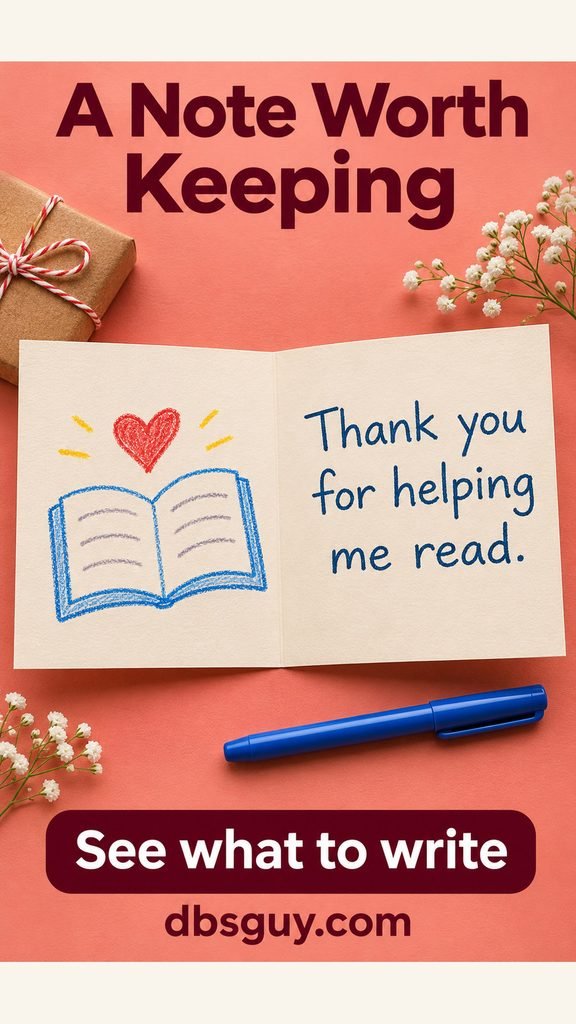
1. A handwritten note about one classroom moment
Ask your child, “What did your teacher help you do that felt hard at first?” Their answer gives the note something real to say. A new reader might write, “Thank you for waiting while I sounded out the long words.” A younger child can draw the moment while an adult writes down their words.
Keep their spelling and little drawing if they want to. The National Education Association includes personal notes among its ways to thank educators. A folded sheet of paper is enough; the gift is the specific thing your child noticed.
2. A little thank-you booklet from the class
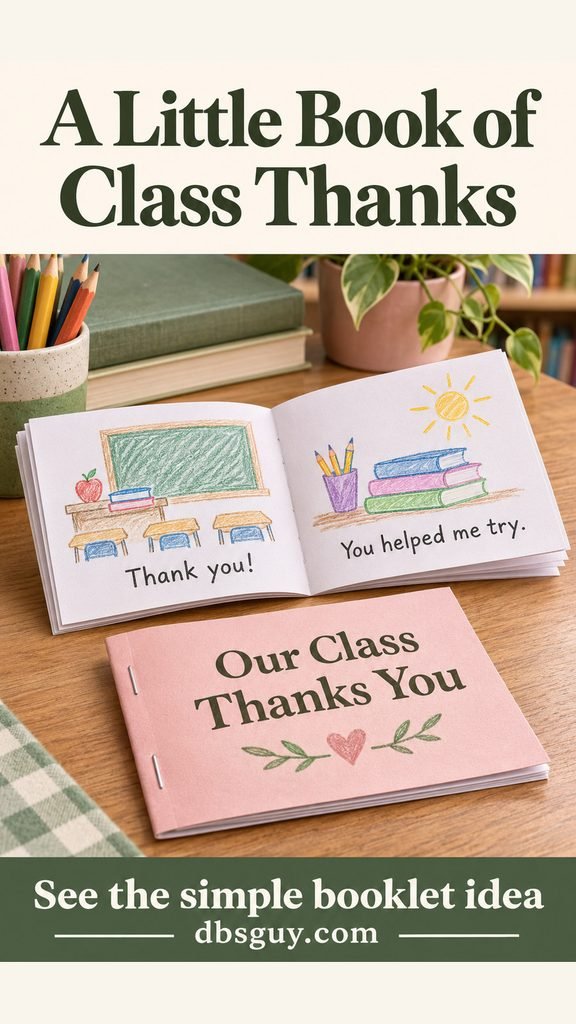
For a group gift without a collection of money, invite each child to finish one prompt: “Something I learned with you is…” Add a small drawing underneath. Offer a way to dictate an answer so everyone who wants to can take part.
Use folded printer-paper sheets with a cardstock cover, then have an adult staple along the fold. Plan enough page space for every contribution and leave the backs blank if markers show through. Include the whole class in the invitation, keep participation optional, and follow school guidance on student names and photos. The finished booklet should be easy to hold and read.
Also Read: 21 Valentine Card Ideas That Make a Simple Message Feel Personal
3. A gift card they can use close to home
If gift cards are allowed, choose a shop the teacher already uses rather than somewhere that would require a special trip. A bookstore, familiar café, or everyday retailer can work; a teacher preference sheet may give you a better answer than guessing.
Check where the card is accepted and any purchase fees or redemption restrictions. Tuck it into a paper pocket inside the Valentine so it stays removable, and keep the activation receipt separately. Choose an amount that suits your budget and the school’s rules. Group gifts need their own policy check before anyone collects money.

4. A small coffee or tea sampler in their usual style
For a teacher whose drink preference you know, put a few sealed tea sachets or a small coffee pouch in a compact box. Match the details that matter: caffeinated or decaf, tea variety, and ground coffee versus whole beans. Choose either drink, or both if they enjoy both.
Avoid coffee pods unless you know the machine they use. Keep the original ingredient information with flavored drinks, and tie the thank-you tag to the outside of the box. This is a gift they can take home or save for a break, without arranging a hot-drink delivery during class.

5. A sealed snack stash for a later break
Pick two or three shelf-stable snacks from favorites the teacher has shared. A small box is easier to carry than a large basket. The illustrated pretzels, popcorn, and chocolate show the scale of the gift; choose the actual foods around the recipient’s dietary needs and school food rules.
Leave every snack in its original sealed packaging with ingredient and allergen information intact. Decorative wrapping shouldn’t cover those labels. Don’t assume a snack is suitable because it looks simple or has no obvious nuts. If you don’t know whether food is welcome, choose a nonfood idea from this list.

6. A few pens in the style they like using
A small set of pens makes sense when you know what the teacher reaches for: fine or medium point, gel or ballpoint, capped or retractable. Replace a favorite rather than choosing a huge assortment because the colors look festive.
Three pens on a simple paper sleeve make a tidy gift. Tie the ribbon loosely enough to slip off, and keep the product information or receipt available. The pink, cream, and burgundy barrels in the image are a styling idea, not a reason to choose an unfamiliar ink or pen type.

7. A small notebook for their own ideas
Choose an undated notebook for the teacher who likes jotting things down. It can hold a reading list, a thought on the way home, or plans unrelated to school. A plain cover gives it a use beyond February.
Check the actual dimensions if it needs to fit a pocket or bag compartment; “pocket-size” varies between sellers. Ruled, dotted, and blank pages suit different habits. Add your child’s message on a removable tag and leave the pages open for whatever the teacher wants to put in them.

8. A zip pouch for the little things in their bag
A compact pouch can give pens, an eraser, or a charging cable one place to go. Look for a zipper that opens wide enough to find small items and check the listed length against what it needs to hold.
A simple washable fabric and a color they like are useful starting points. Give it empty with a note tucked inside; the contents shown in the image illustrate possible uses. There’s no need to buy accessories just to fill the space.

9. A flat handmade bookmark with a tiny drawing
Cut a rectangle of cardstock about 2 inches wide and 6 inches long. Let your child draw a small book, add a flat paper heart, or decorate it in the teacher’s favorite color. Write a short thank-you on the back and let glue and ink dry fully.
Keep decorations thin so the bookmark can sit between pages. Thick gems, dangling charms, and loose glitter make this particular gift harder to use. Slip it into a card or a plain paper sleeve, with the decorated front visible.

10. A name stamp they have said they would use
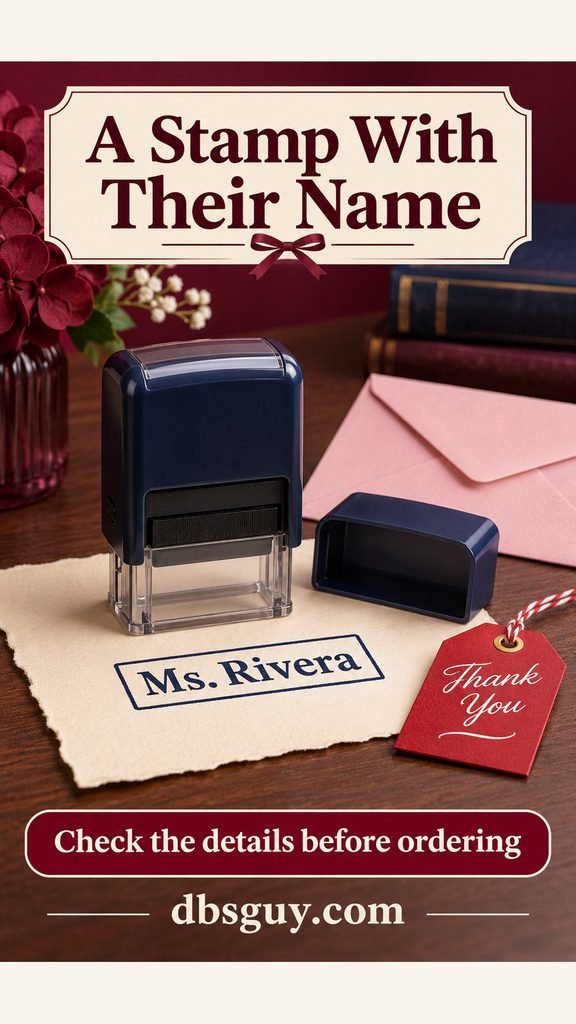
A personalized stamp is worth considering when a teacher has mentioned wanting one. Ask what wording would help before ordering: a name, a short message, or a particular classroom use. A name stamp and a feedback stamp do different jobs.
Confirm the exact spelling and preferred title, then check the seller’s proof, imprint dimensions, ink color, and refill instructions. Order with enough time to review the personalization. Keep it simple, and leave student names or private information off the design.
11. A plain tote with details that suit their commute
For a teacher who has asked for a carryall, choose by construction: handles that suit how they carry a bag, room for their usual folder, and a bottom that supports what they plan to put inside. Check the stated measurements rather than judging capacity from a staged photo.
An interior pocket can keep keys separate from papers. A neutral tote with a removable Valentine tag also works after the holiday. Leave permanent slogans off unless you know the teacher likes them, and include a gift receipt when possible.

12. A shallow tray for a few desk essentials
A small catchall tray suits someone who likes keeping a pen and clips within reach. Picture the desk first: a low tray around 5 by 7 inches is one compact option, but its footprint still needs to fit the available space.
Look for a smooth surface that is easy to wipe and a base that sits steadily. The sage tray shown holds only a few essentials, which is the point of this size. Skip this idea if the teacher prefers a clear desktop or already has a system that works.

13. A compact lunch bag they actually need
A lunch bag is a good preference-sheet gift when the teacher has said they need one. Compare its internal dimensions with the containers they use, and look for an opening that makes those containers easy to remove.
Check the care instructions and whether the lining can be wiped clean. Insulation alone doesn’t guarantee that perishable food stays cold, so avoid treating the bag as a complete food-storage solution. Give it empty with a little tag on the handle and let the teacher pack it their usual way.

14. A simple pair of fabric coasters
For a teacher who keeps a drink at their desk, two flat fabric coasters can add a small bit of color. Pick a pattern that fits their style; the red gingham in the image feels seasonal without needing a printed holiday message.
Check the listed size and care instructions. Avoid bulky embellishments that could stop a cup from sitting level. Tie the pair with cotton ribbon and add a note. The mug in the image only shows how the coasters might be used; the pair makes a complete small gift on its own.

15. A small paper-flower posy your child can help make
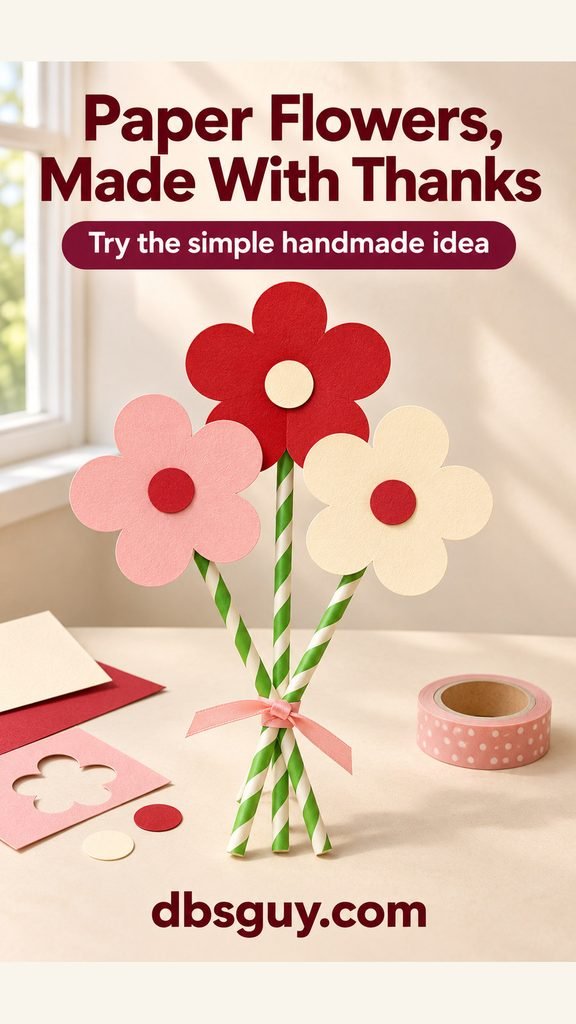
Cut three simple five-petal flowers from colored cardstock and glue a contrasting paper circle in each center. Use an adult’s help with cutting where needed. Tape a green paper straw to the back of each flower so it supports the head, then tie the three stems loosely with ribbon once everything is dry.
The blush, red, and cream version shown is small enough to hand over with a card. Pack it flat in a folder or shallow box for the trip to school. For other handmade and fresh-flower directions to explore, see these Valentine flower ideas for a bouquet that feels personal.
16. An exact book from the classroom wishlist
If the teacher welcomes classroom gifts, ask for a title they want and confirm the edition, format, or language. A book they have selected is easier to use than a surprise chosen only because it has a school or Valentine theme.
Check that someone else hasn’t already bought it from the wishlist. Put your thank-you on a removable card rather than writing inside the book without asking. Label the package “For your classroom” so its purpose is clear. The cover in the image is an illustrative concept, not a specific book recommendation.

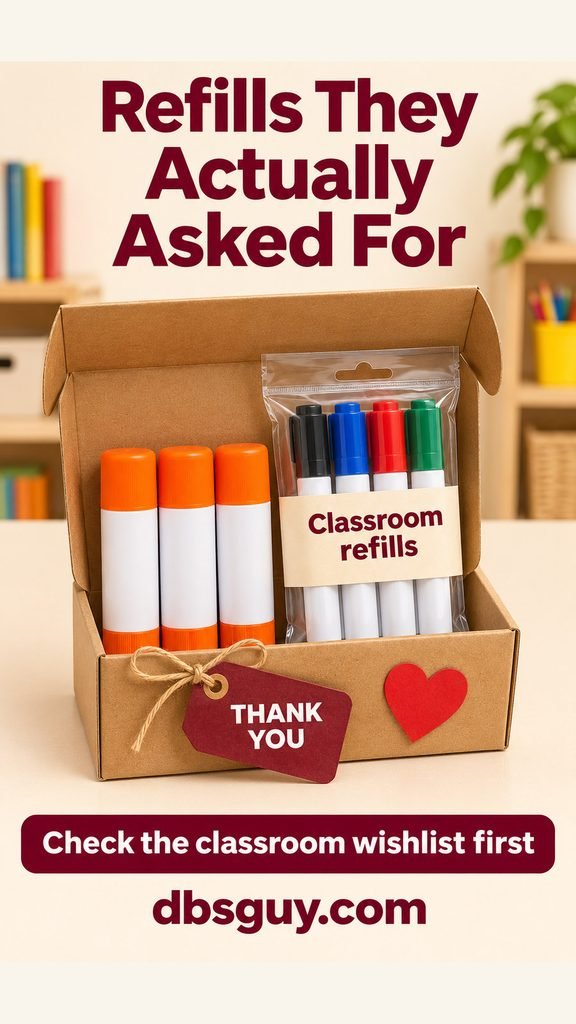
17. A small refill of supplies they specifically requested
A classroom refill can be useful when it answers an actual request. Ask for the exact supply and quantity—such as a particular glue-stick size or dry-erase marker type—rather than putting together an assortment the teacher has to sort or store.
Keep products in their original packaging and use a small box with a removable Valentine tag. The glue sticks and markers shown are examples, not a shopping list for every classroom. Treat this as a voluntary contribution to the class, and include a personal thank-you so the teacher is recognized as a person, too.
Make the handoff easy
Write the teacher’s preferred name on the outside and your child’s name inside the card. Use packaging your child can carry without help, and follow the school’s timing or office drop-off instructions. A short “Happy Valentine’s Day—thank you!” is enough when handing it over.
If you’re coordinating a group gift, make participation optional and use one school-approved contact to handle the details. Keep the exchange about appreciation, with no request for special treatment attached.
Questions about Valentine gifts for teachers
How much should I spend?
Start with your budget and the school’s policy. A handmade note can stand on its own. There isn’t one dollar limit that applies to every U.S. school, and rules can treat personal gifts, gift cards, and class gifts differently. Ask the office if the written guidance leaves you unsure.
What if my child has several teachers?
A short individual note works for each person, with one detail about their class or help. You can use the same plain card design and change the message. There’s no need to buy a separate item for every subject teacher, aide, or specialist.
Is homemade food a good idea?
Choose it only if the teacher welcomes it and school rules allow it. Dietary needs and ingredient information matter. When you don’t know the recipient’s preferences, a nonfood gift avoids that uncertainty.
What should a teacher Valentine say?
Keep it friendly and specific: “Thank you for helping me feel brave enough to read to the class.” A parent might write, “We appreciate the way you helped Sam settle into the new routine.” Use a detail that is true for your child, then sign off with a simple thank-you.
Also Read: 25 Thoughtful Valentine’s Day Gifts for Partners, Friends, and Family