Little Red Riding Hood Was Accused of Promoting Alcohol to Children — And 11 Other Wild Reasons Books Have Been Banned

Book banning is nothing new. For as long as books have been printed, someone, somewhere, has tried to pull one off a shelf. Sometimes the objections are about ideas that genuinely divide people. But sometimes the reasons are so strange that they sound invented — a dictionary pulled from a school, a picture book about a bear, and a fairy tale accused of encouraging children to drink. The list below collects twelve of the wildest real reasons books have been challenged or banned, and the stories behind them are stranger than anything in the books themselves.
It starts in Florida, where a school district banned a book about book banning. Yes, really. And if you enjoy stories with a dark twist, you may also like our look at the real, traumatizing stories behind famous fairy tales — the originals were far grimmer than the versions most of us grew up with.
1. Ban This Book by Alan Gratz
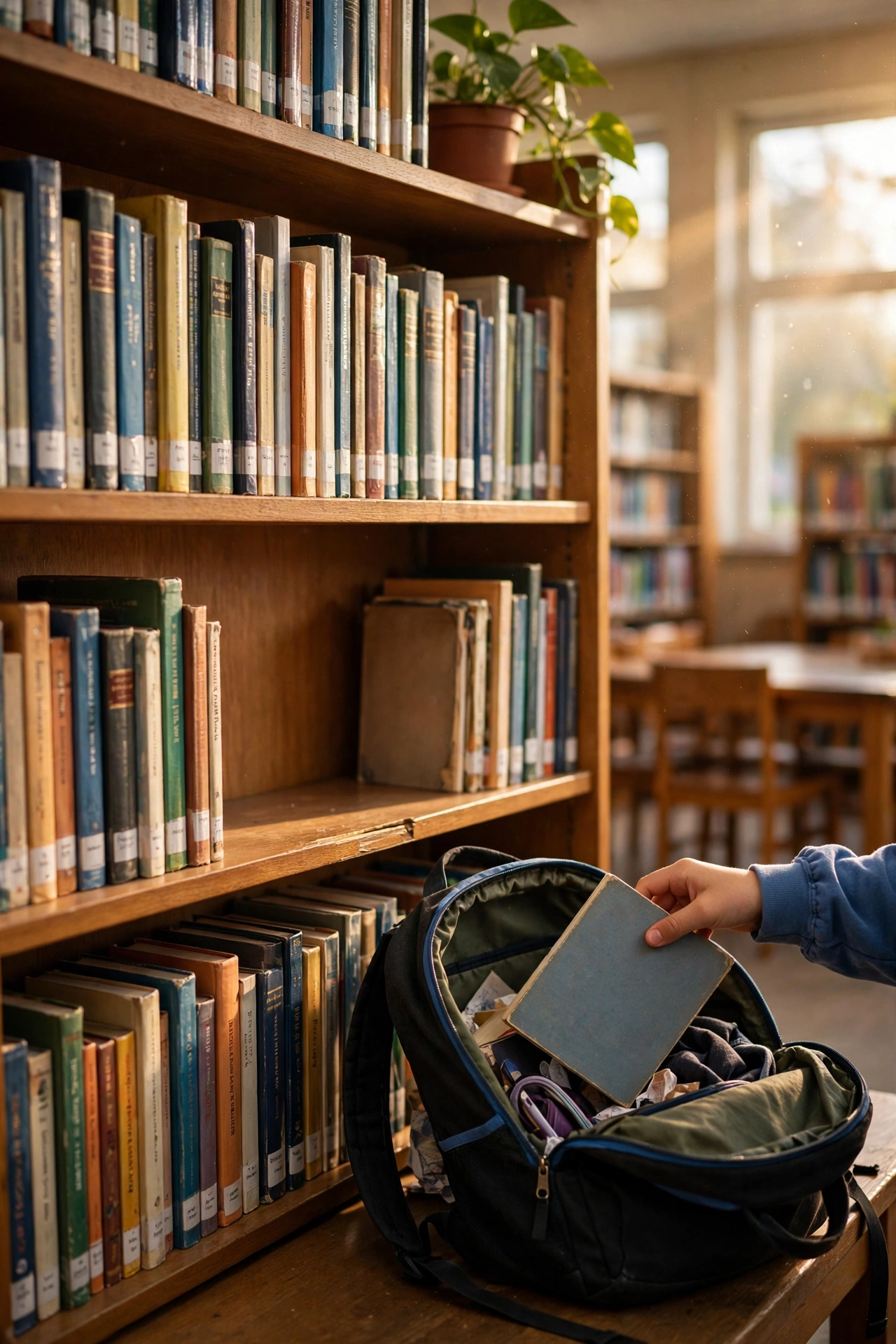
In Indian River County, Florida, a school district banned a novel whose entire plot is about resisting book bans. In Alan Gratz’s middle-grade story, a girl named Amy Anne goes to check out her favourite book, only for the librarian to tell her it has been banned after a parent complained that it was inappropriate. Rather than accept the decision, Amy Anne quietly starts a secret library of banned books, lending them to classmates and standing up to censorship in her own small way.
The real-life complaint against the book argued that it encouraged children to rebel against the authority of the school board. The campaign to remove it drew support from the far-right parents’ group Moms for Liberty. The irony is hard to miss: a book about a child who fights back when adults take books away was itself taken away, for teaching children to fight back when adults take books away. The district’s decision turned the novel into a perfect, real-world demonstration of its own point.
2. Where’s Waldo? by Martin Handford
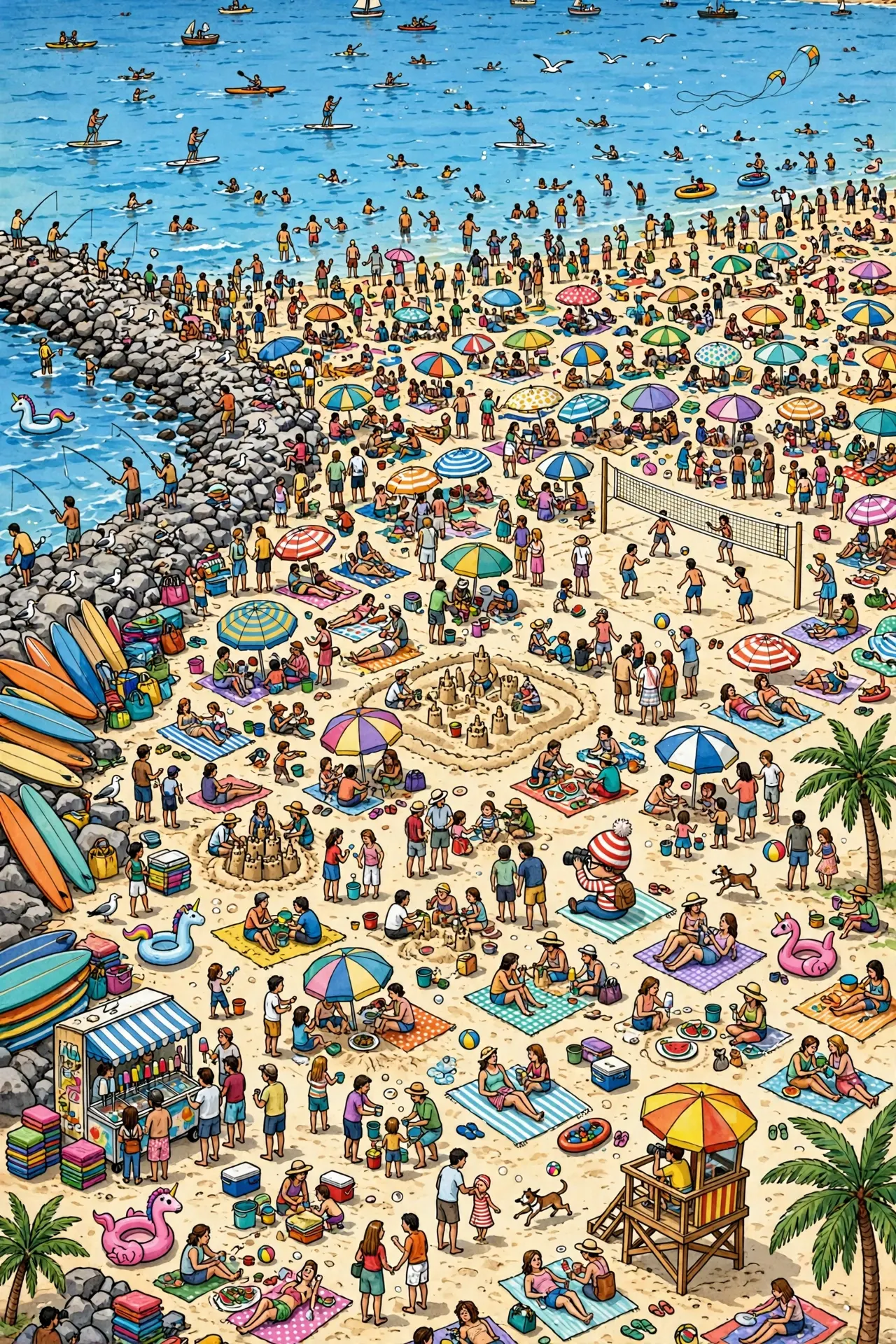
The Where’s Waldo? books are search puzzles: dense, detailed scenes packed with hundreds of tiny figures, and somewhere in the crowd hides a man in a red-and-white striped shirt and a bobble hat. Readers in Michigan and New York got the books banned, and the reason had nothing to do with Waldo himself. A reader complained about a small drawing in one beach scene — a woman sunbathing topless, tucked away among the crowd like every other detail.
The objection was enough to get the books pulled in those places. In later editions, the publishers made a small change: the woman is still there on the beach, but her bathing-suit top stays on. It is a tiny edit to a single figure in a crowd of hundreds, and it neatly captures how book challenges often work — one reader, one detail, and a whole book disappears over it.
3. Captain Underpants by Dav Pilkey
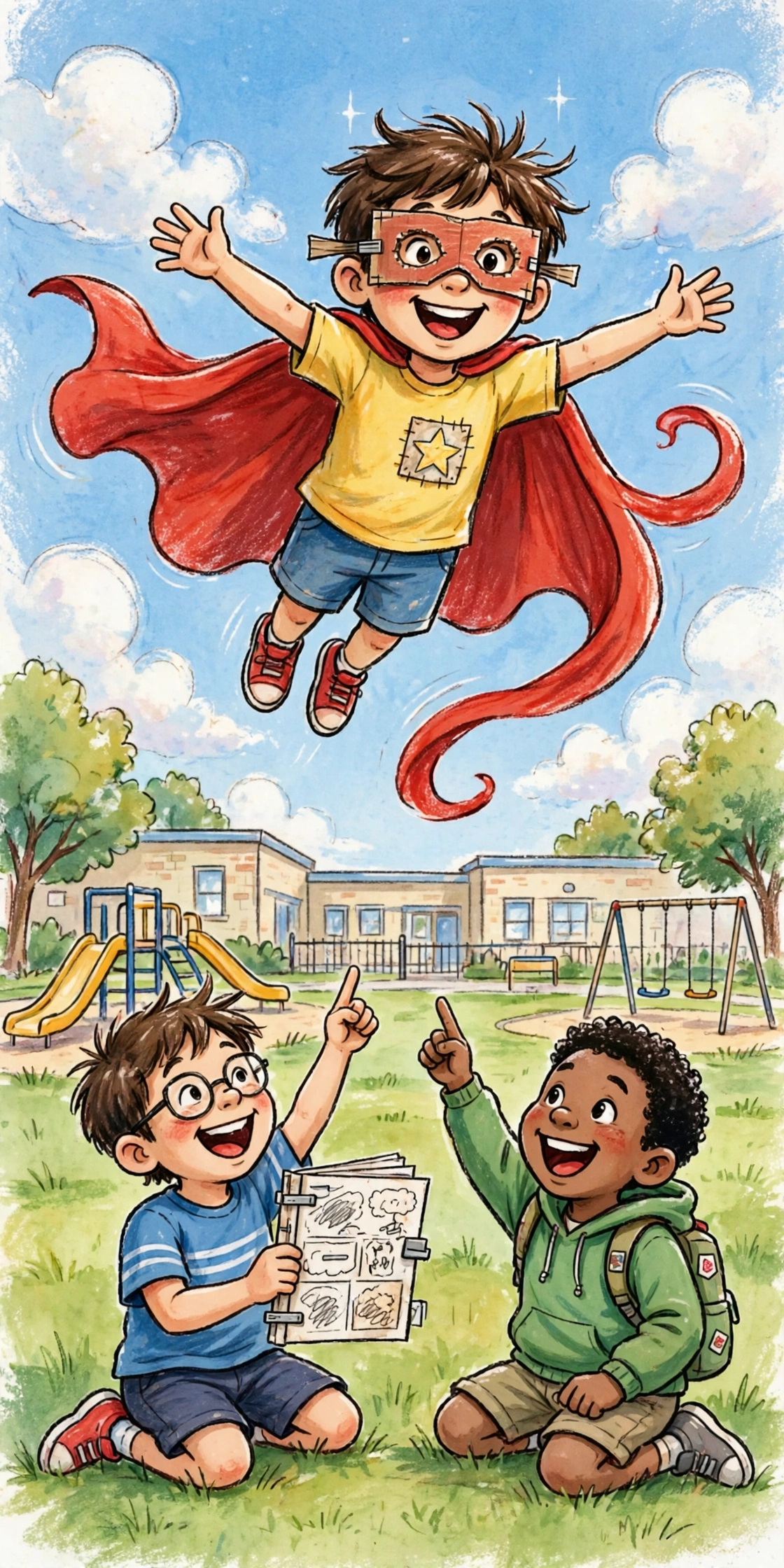
Dav Pilkey’s Captain Underpants series is a staple of school libraries: two mischievous schoolboys, George and Harold, hypnotise their grumpy principal into believing he is a caped superhero who fights crime wearing only white underpants and a cape. The books have been pulled from shelves across America, described as inappropriate because of vulgar imagery and so-called offensive language.
Business Insider once went through the complaints one by one, and the list is almost a parody of itself. The “partial nudity” is the hero’s underpants. The “offensive language” is the word underpants being mentioned at all. The pranks are schoolboy pranks, and the “violence” is George and Harold defeating evil robots by hitting them with wooden planks. The book even carries a mock warning about its own “graphic scenes,” which is part of the joke. Children, meanwhile, have never seemed confused about any of it.
4. The Hunger Games by Suzanne Collins
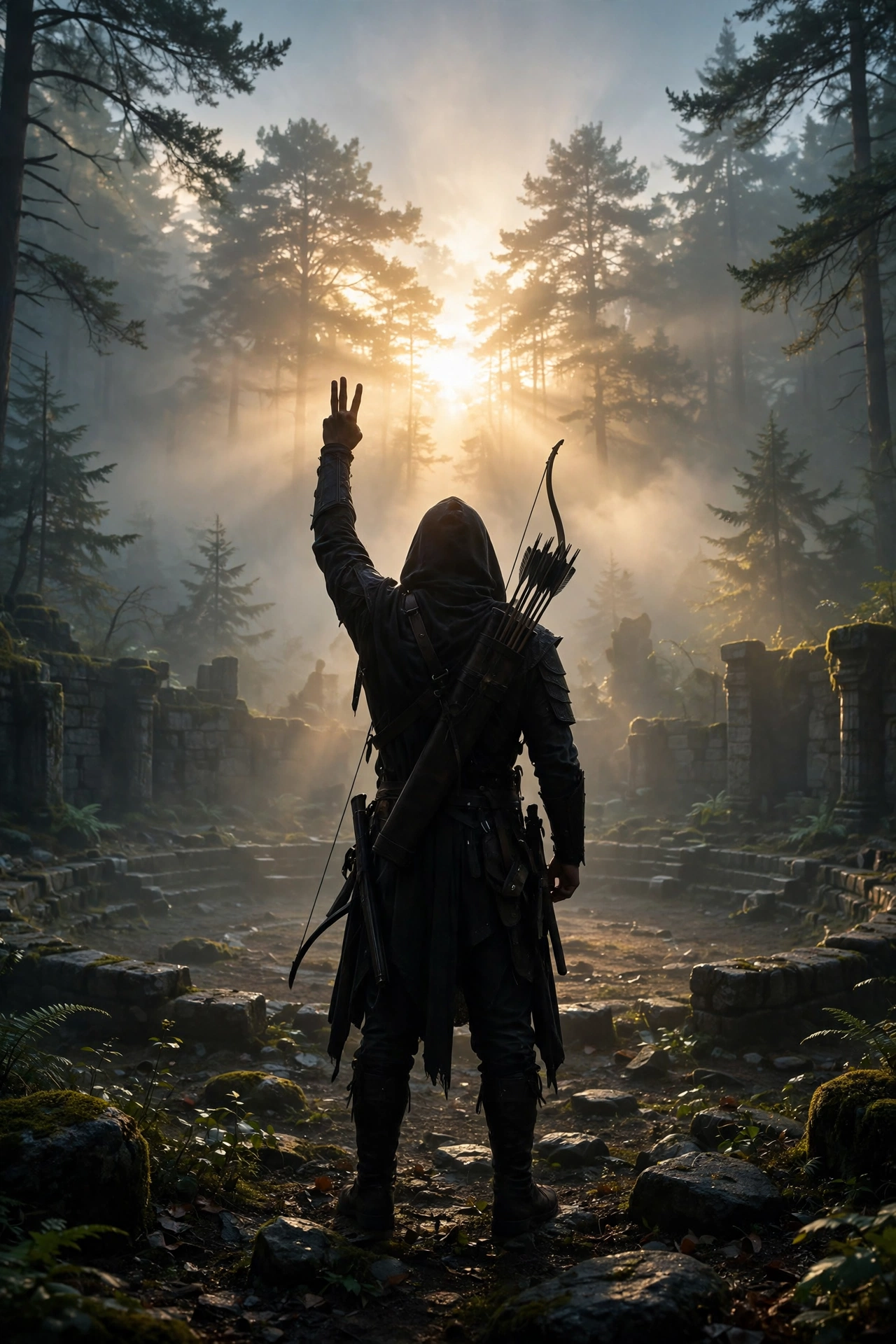
Suzanne Collins’s Hunger Games series tells the story of a young woman who defies a cruel, controlling government that keeps its districts in line through fear and spectacle. It is a story about rebellion, and that is exactly what got it into trouble: authorities in different countries labelled it as political rebellion and treated the books as a threat.
The most striking consequence came in Thailand, where the three-finger salute from the novels was adopted by real protesters as a symbol of defiance. What began as a gesture in a work of fiction became a gesture on the streets, which rather proved the point the books were making about how symbols travel. A story about the danger of silencing dissent ended up being silenced for inspiring it — and the salute only became more famous because of the attempt.
5. The Handmaid’s Tale by Margaret Atwood
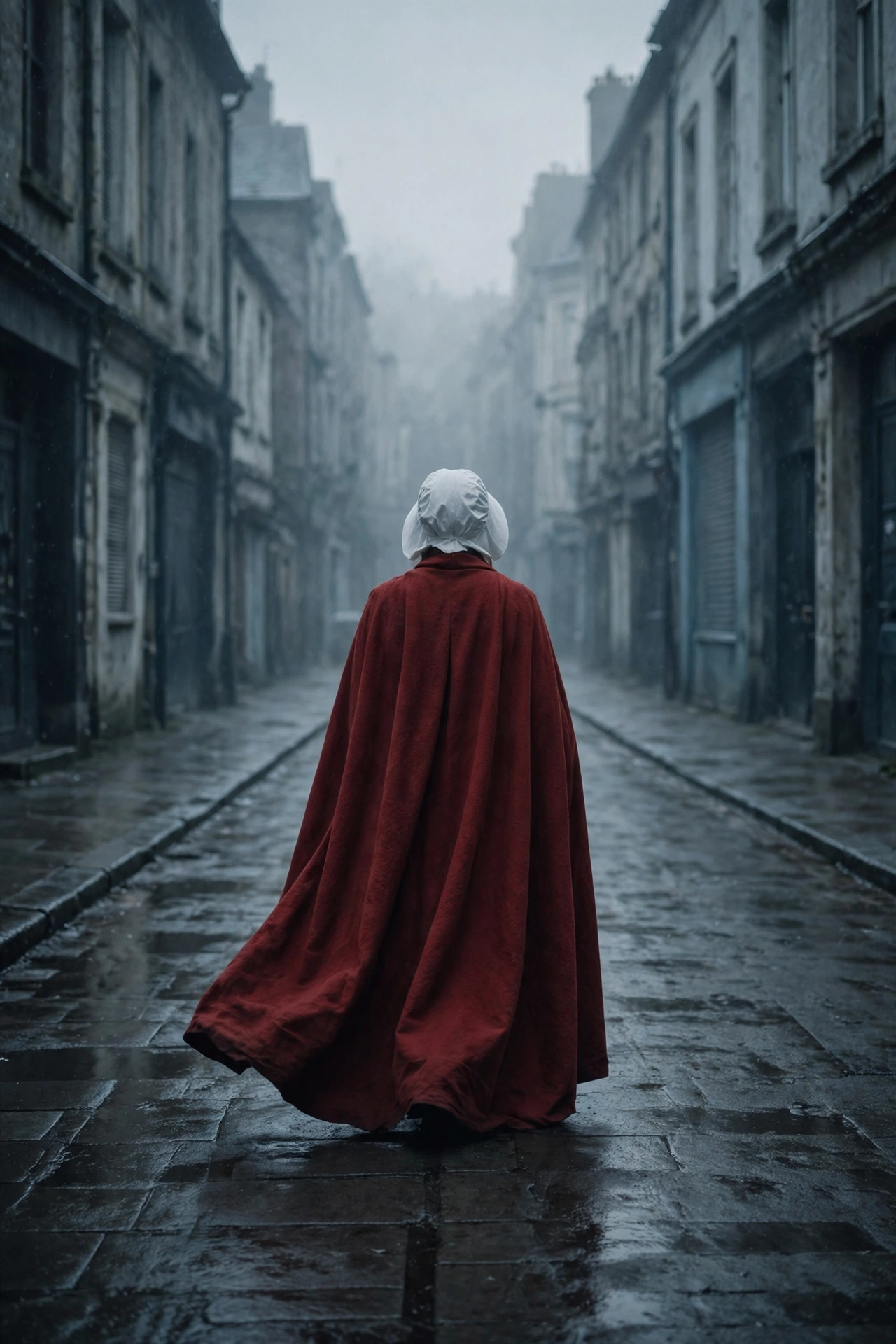
Margaret Atwood’s The Handmaid’s Tale is one of the most challenged books in American schools, according to the American Library Association. The novel imagines a regime that strips women of their rights, and its stark red-cloaked imagery has become one of the most recognisable sights in modern literature. When a Texas school district tried to ban it, Atwood responded with an open letter.
She wrote that she was amazed by the claim that the book was offensive to Christians, pointing out that the regime in the novel is never actually identified as Christian, and that the book is far less interested in sex than much of the Bible. The novel has also been banned outright by whole countries in the past, including Portugal and Spain. Years later, Atwood teamed up with Penguin Random House to produce an “unburnable” edition of the book — a copy designed to resist fire, and a quiet joke at the expense of everyone who has ever tried to destroy it.
6. China Dream by Ma Jian
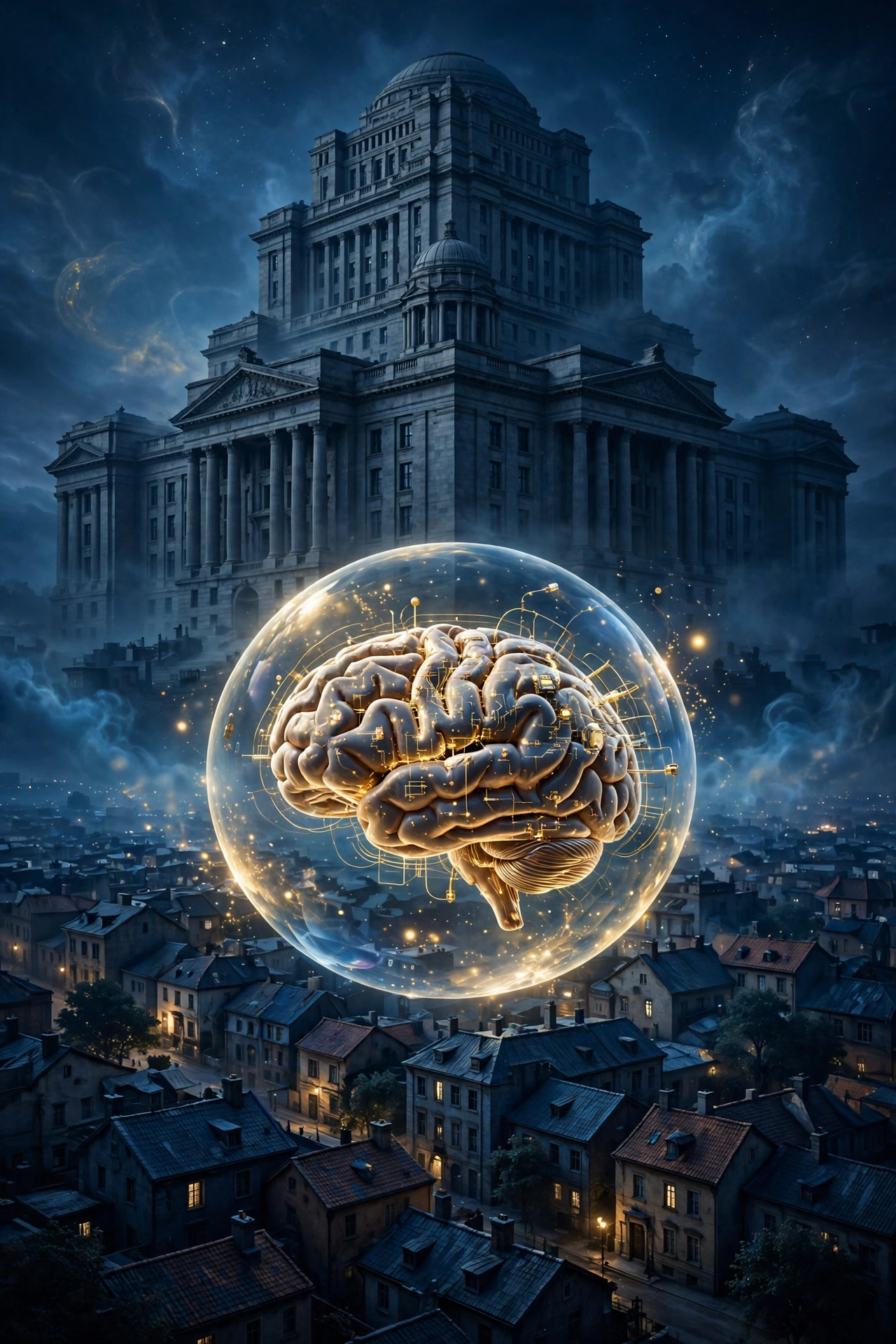
Ma Jian is banned in China, along with all seven of his novels, for criticising the country’s political regime. His novel China Dream follows a corrupt government official who is given a strange task: replace the people’s dreams with government propaganda, delivered through brain implants.
It is a dark, surreal satire about a state that wants to control not just what people do and say, but what they dream about while they sleep. The authorities’ response to the book was, in its own way, an endorsement of its premise — a government that does not want its citizens reading about dream control moved swiftly to control what its citizens could read. For readers who enjoy fiction that takes on power, our roundup of the best historical books includes more novels that wrestle with politics and history.
7. All Boys Aren’t Blue by George M. Johnson
George M. Johnson’s memoir-manifesto All Boys Aren’t Blue has been banned across a dozen school districts in the United States, labelled pornographic because of its depictions of oral sex and sexual assault. The book is a series of personal essays about growing up, and its defenders say it speaks directly to teenagers who rarely see their own experiences reflected in the books on school shelves.
In New Jersey, a ban attempt was stopped in an unusual way. The author’s family attended a library board meeting and read aloud a letter the author had written, defending the book as a story that could save the lives of young people who do not see themselves in books. The board listened, and the ban did not go ahead. Whatever anyone thinks of the book’s content, the episode showed how a single family’s willingness to speak up in a public meeting can decide whether a book stays or goes.
8. Harry Potter by J.K. Rowling
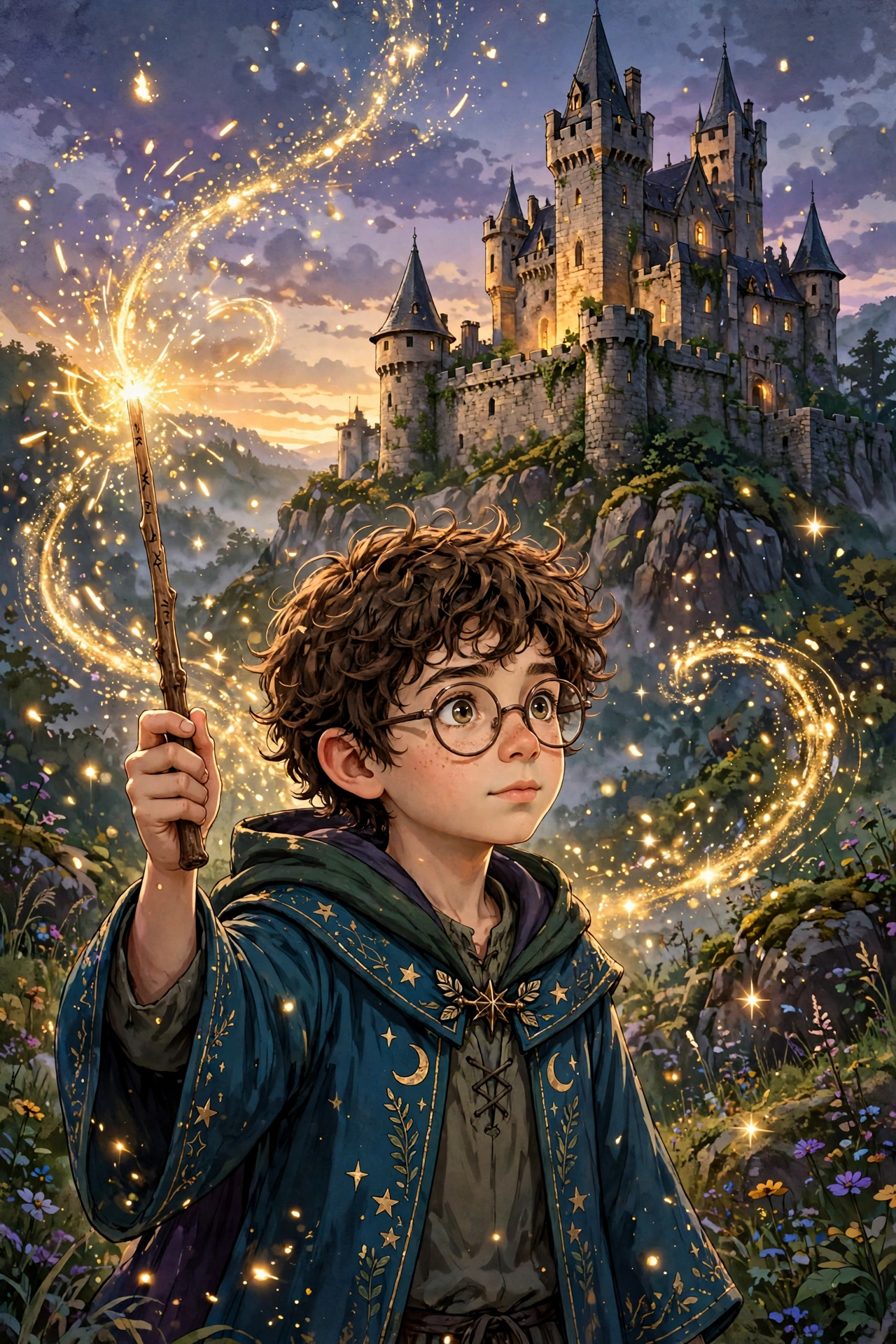
The Harry Potter books have faced criticism almost from the moment they appeared, mostly because of their occult references. The worry, voiced by some parents and religious groups, was that children reading about spells and dark magic might try to recite curses themselves — that a story about a boy wizard was, in effect, a handbook.
The most dramatic ban came from St Edward Catholic School in Nashville, where the pastor decided the books should be removed from the library because he believed they “conjured evil spirits.” He said he had consulted several exorcists before reaching his decision. Millions of children have, of course, read the books without summoning anything at all, but the Nashville decision remains one of the most memorable moments in the long history of adults worrying that a children’s adventure might be more powerful than it looks.
9. The Catcher in the Rye by J.D. Salinger
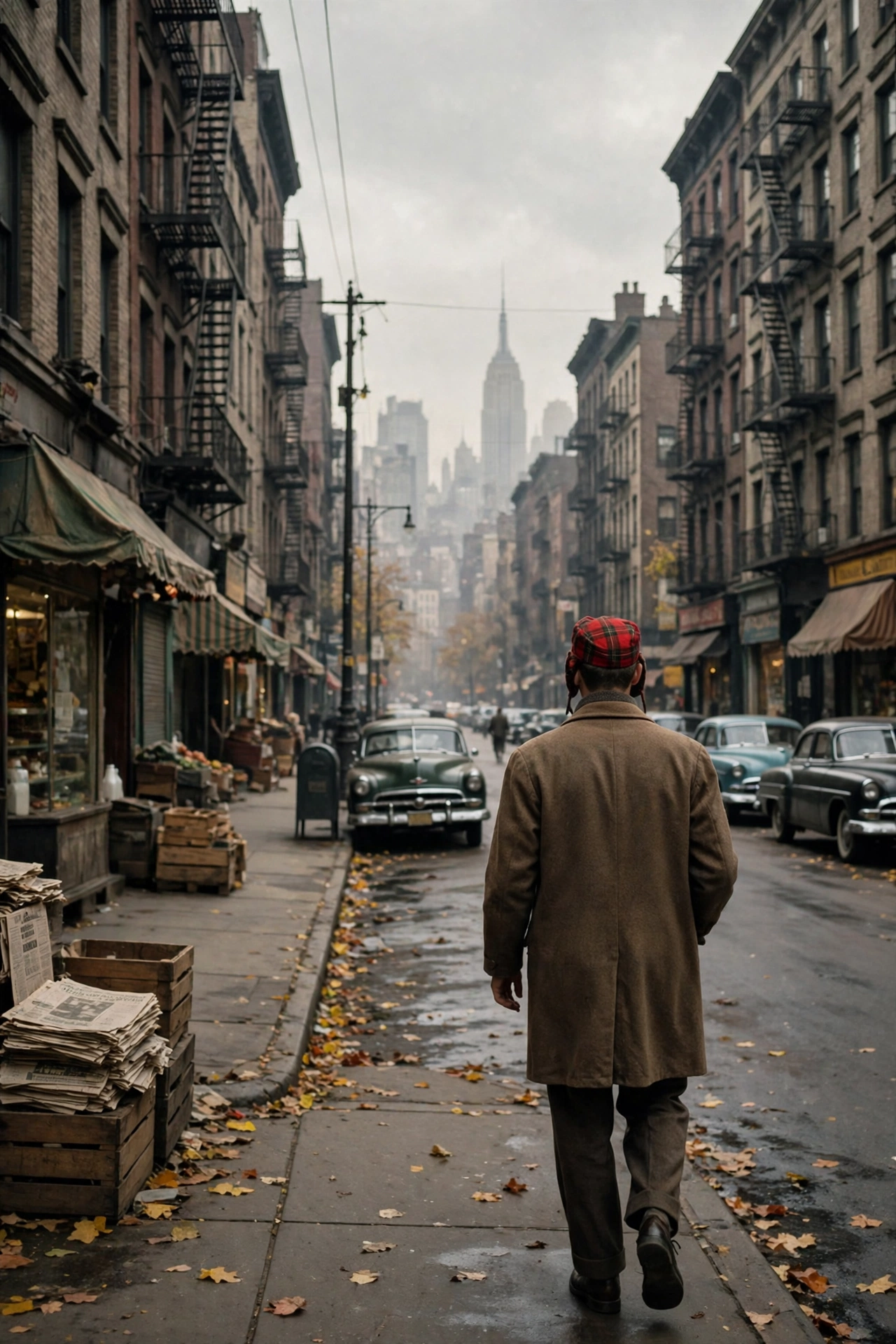
J.D. Salinger’s The Catcher in the Rye is widely regarded as one of the greatest works in American literature, and it is also one of the most censored books in American history. The novel follows Holden Caulfield, a teenager drifting through New York over a few days after being expelled from school, and its voice — blunt, funny, and furious — made it an instant classic and an instant target.
The criticism has always centred on the same two things: sexual content and swear words. Holden’s language was shocking to some readers when the book first appeared, and it still draws complaints in schools today. The novel has survived decades of challenges, which says something about how little banning achieves: the book that adults keep trying to hide is the book teenagers keep finding. If you like long, immersive reads, our list of epic long books to read this winter has plenty to get lost in.
10. Little Red Riding Hood
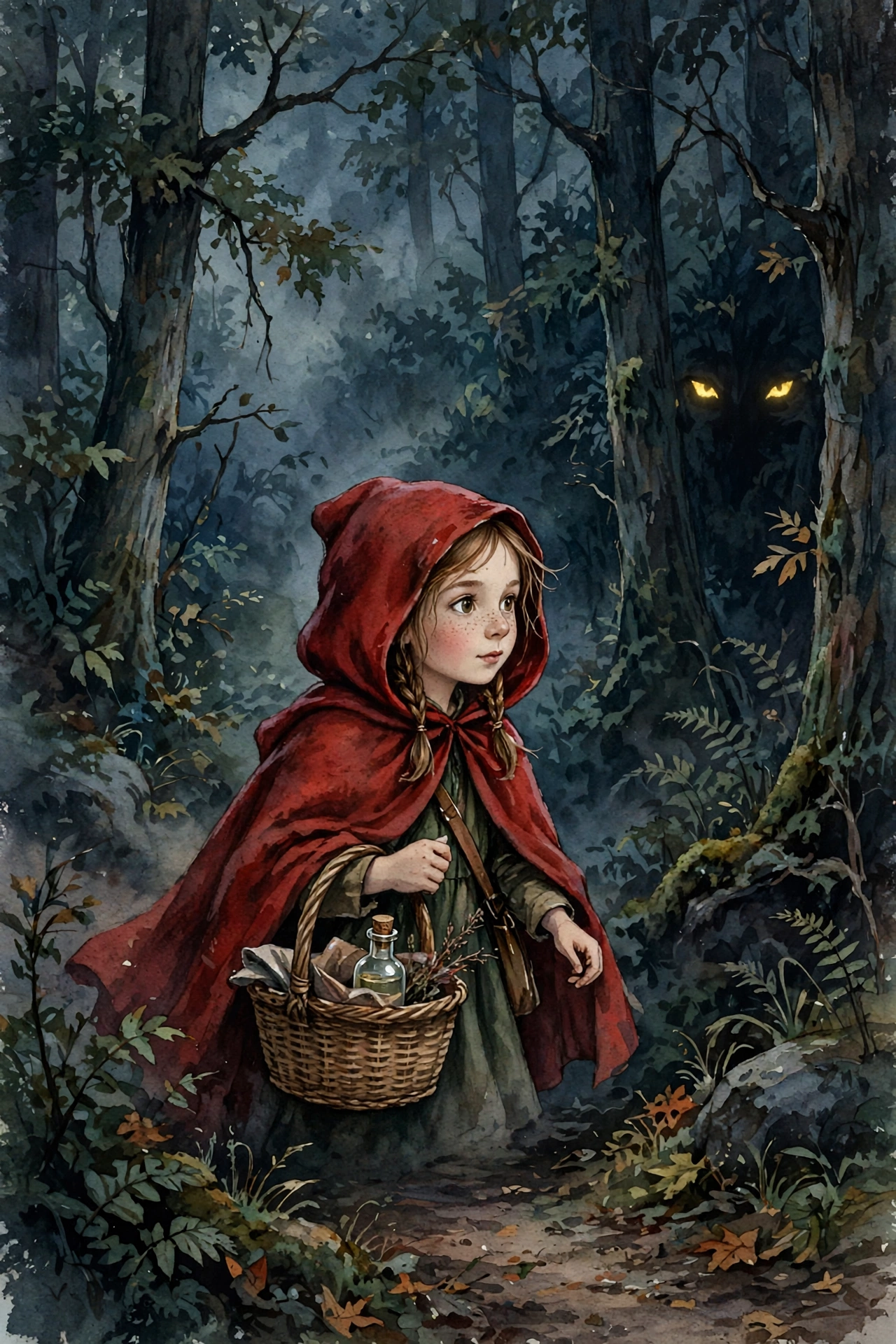
This is the one that gives this list its title. Little Red Riding Hood was taken off the shelves of an elementary school in California after an objection about the contents of the girl’s basket. The version on the reading list for five- and six-year-olds showed Red Riding Hood carrying a little bottle of red wine to her grandmother’s house, and that was enough: the complaint was that it gave younger children the wrong impression about alcohol.
It is a gloriously odd objection when you think about the rest of the story. This is a fairy tale in which a wolf swallows a grandmother whole, dresses up in her clothes, and is eventually cut open with a pair of scissors. Somehow the darkest part of the tale, in the eyes of the complainant, was a small bottle of wine in a picnic basket. The wolf, apparently, was fine.
11. The Merriam-Webster Dictionary
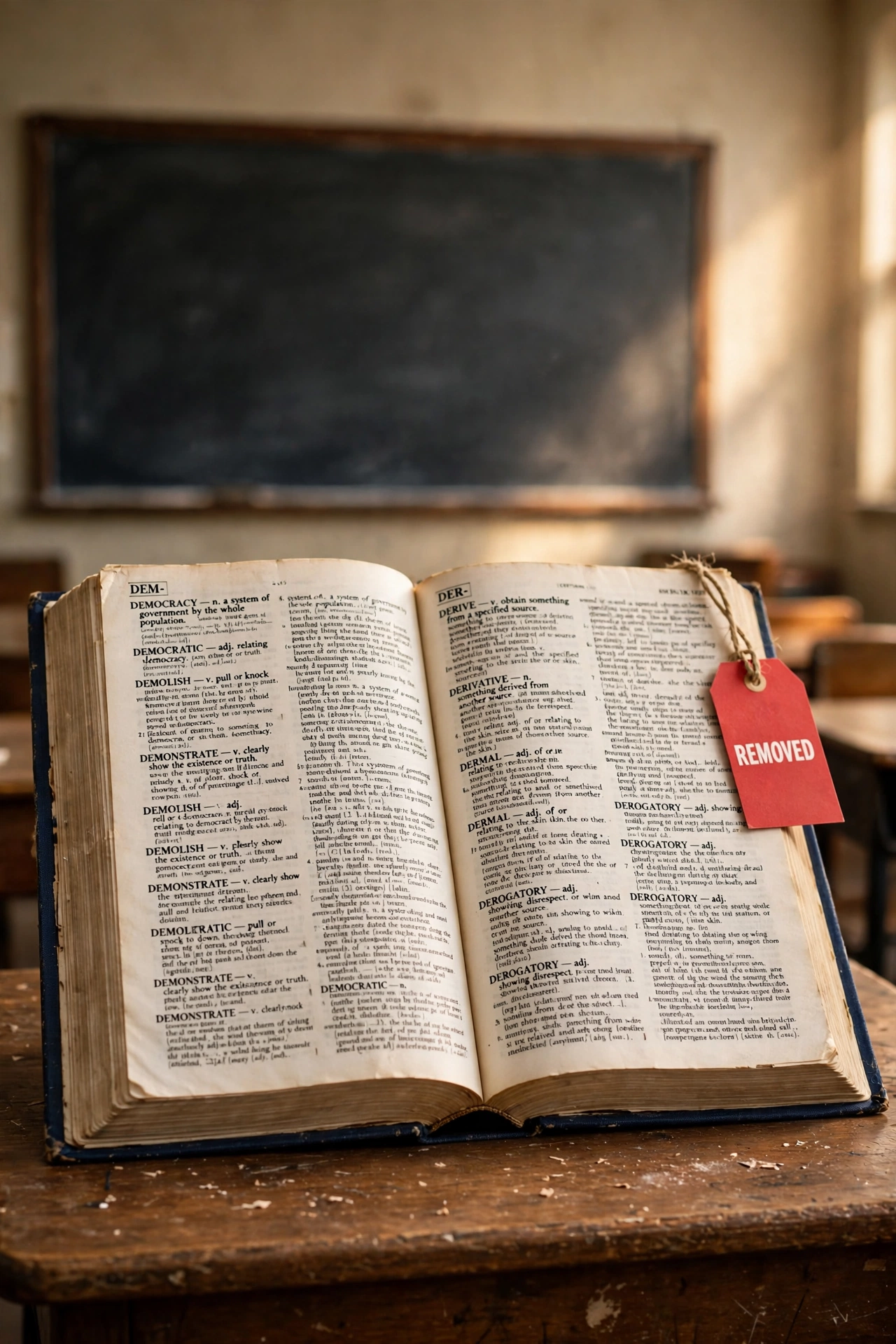
Yes, a dictionary. A school district in Florida pulled the Merriam-Webster Dictionary from its shelves after a state law asked schools to remove books containing descriptions of “sexual conduct.” Dictionaries, by their nature, define words — and this one defines words such as “oral sex.” That was enough for it to be deemed inappropriate for students.
The dictionary was eventually allowed back, but not without a compromise. A district spokeswoman, Betti Cadmus of the Menifee Union School District in southwest Riverside County, said parents would be given the option to decide whether their children could access that dictionary. It is hard to think of a clearer example of a rule written for one purpose sweeping up something nobody intended: a reference book, banned for doing exactly what a reference book is supposed to do.
12. Brown Bear, Brown Bear, What Do You See? by Bill Martin Jr.
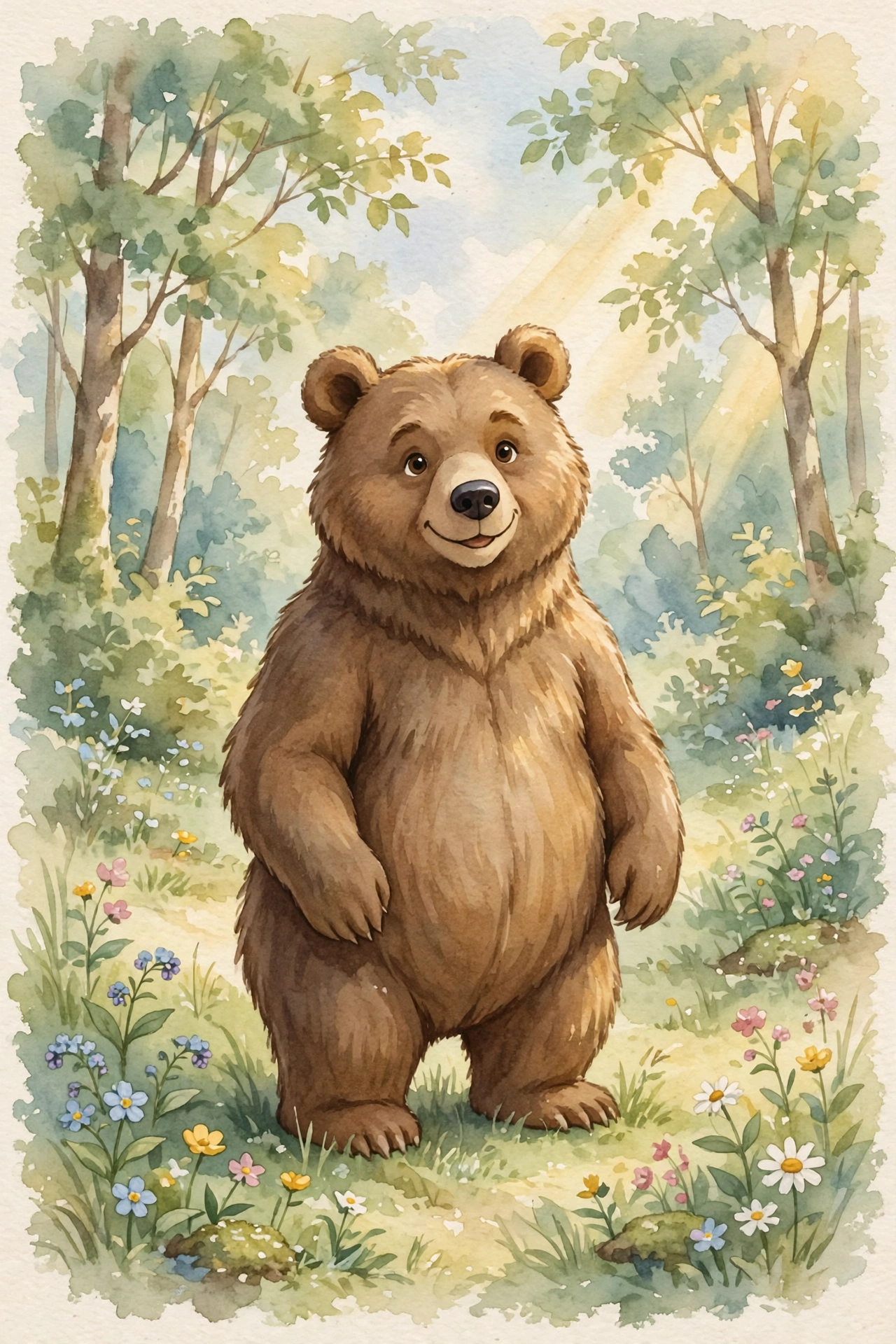
Perhaps the silliest ban on this list happened by mistake. The Texas Board of Education banned Bill Martin Jr.’s gentle children’s picture book Brown Bear, Brown Bear, What Do You See? — a simple, rhythmic story in which a brown bear looks at a red bird, who looks at a yellow duck, and so on. There is nothing political in it. There is barely a plot. There is a bear.
The board had confused the author with a different man entirely: Bill Martin, the author of a book called Ethical Marxism, and concluded that the children’s author must be a critic of capitalism. They were two completely different people with similar names, and nobody involved appears to have checked. The ban was a case of mistaken identity, pure and simple — a picture book about animals removed from classrooms because someone did not fact-check a name.
The pattern across all twelve is remarkably consistent. Most of these bans started with a single complaint, a misunderstood detail, or a case of mistaken identity — and in almost every case, the book survived. Banning a book has a habit of making more people want to read it, which may be the most reliable outcome in the history of censorship. What is the strangest reason you have ever heard for a book being banned? Tell us in the comments. And if you are in the mood for something lighter after all that, our top romantasy books are a good place to start.