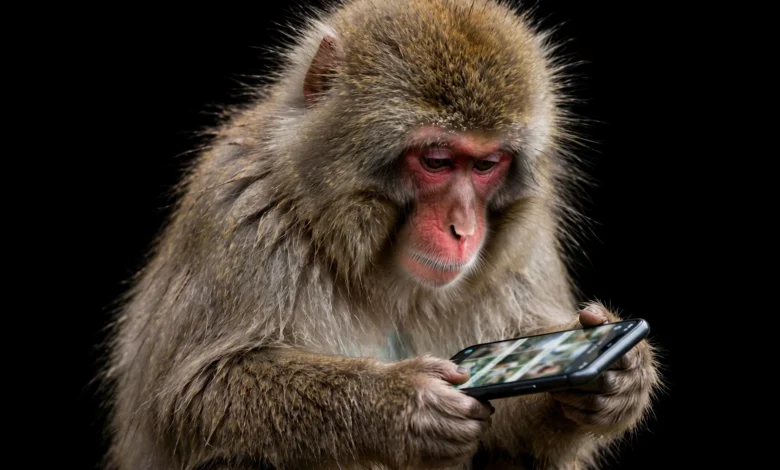
The animal kingdom is stranger than anything we could invent. A giraffe can outrun most of us, a jellyfish can rewind its own life, and somewhere in the Falkland Islands, penguins are living in a minefield — on purpose, in a way. I went through a list of 107 animal facts and picked the 25 that genuinely stopped me in my tracks: the ones that are surprising, well documented, and worth knowing. Here they are, one at a time.
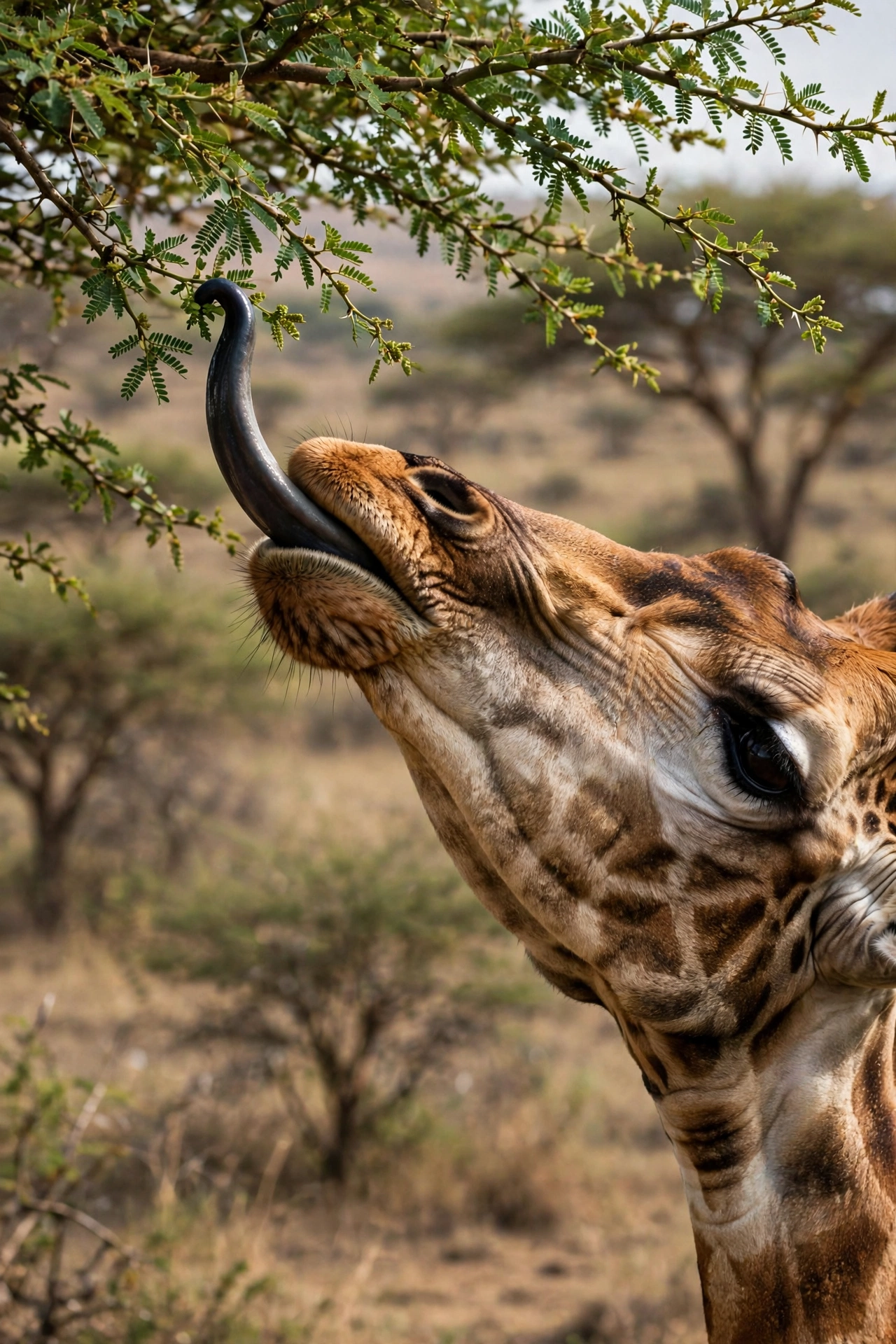
1. A Giraffe’s Tongue Is About 20 Inches Long — And It Can Grab Things With It
A giraffe’s tongue is not just long, it is a tool. At around 20 inches, it is long enough to reach around branches, strip leaves from thorny acacia trees, and even give its own ears and nose a clean. The tongue is also dark — almost black — which is not a fashion choice. All that time spent poking out of its mouth in the African sun would leave it badly sunburnt otherwise, so the dark colour works like built-in sunscreen.
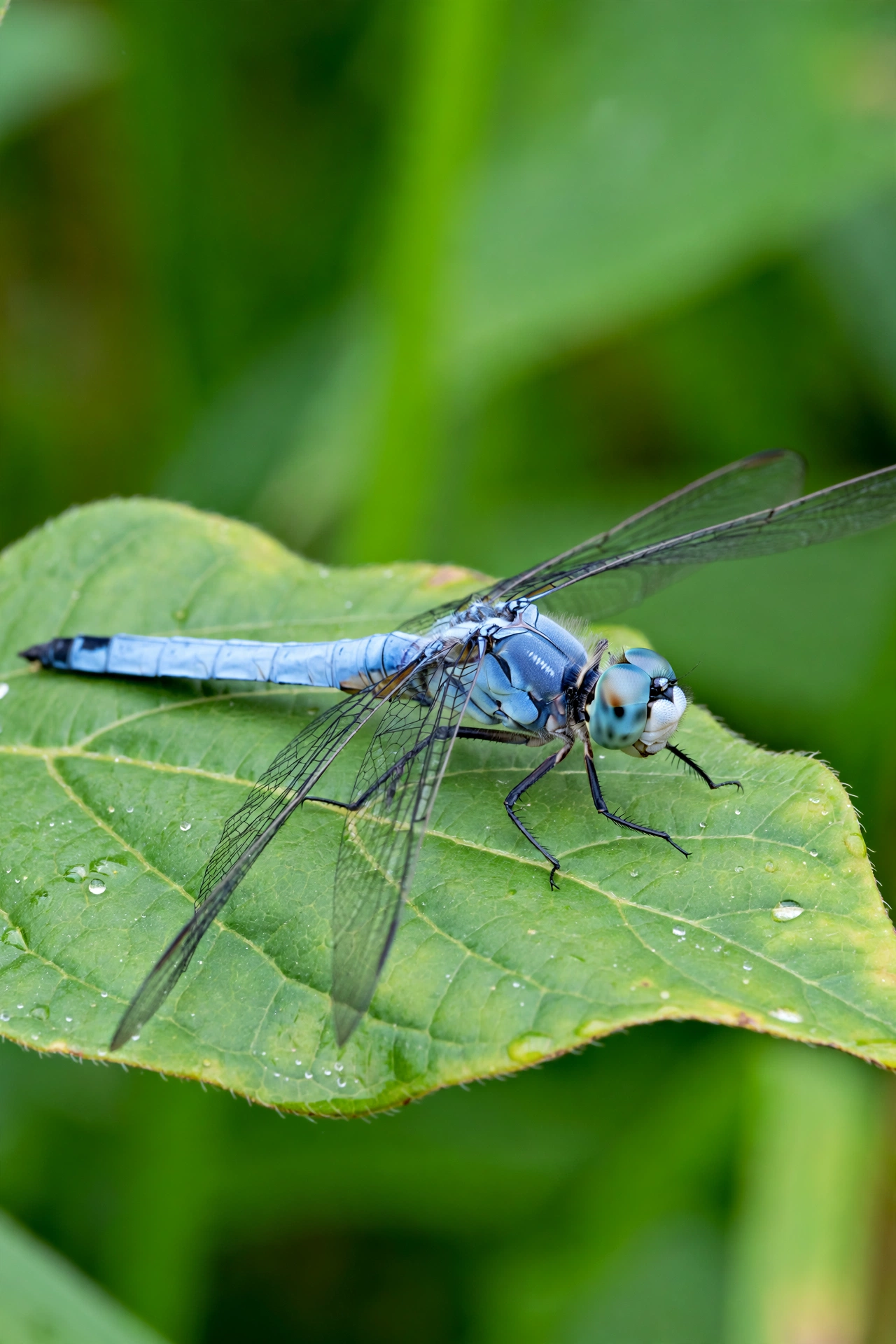
2. Female Dragonflies Will Fake Their Own Death To Avoid An Unwanted Suitor
When a male dragonfly she is not interested in comes calling, a female dragonfly has a dramatic escape plan: she drops out of the sky, crashes to the ground, and lies completely still, playing dead. The male, convinced she is gone, flies off — and she gets up and carries on with her day. It is one of the most theatrical rejections in the animal kingdom, and researchers have watched it happen again and again.
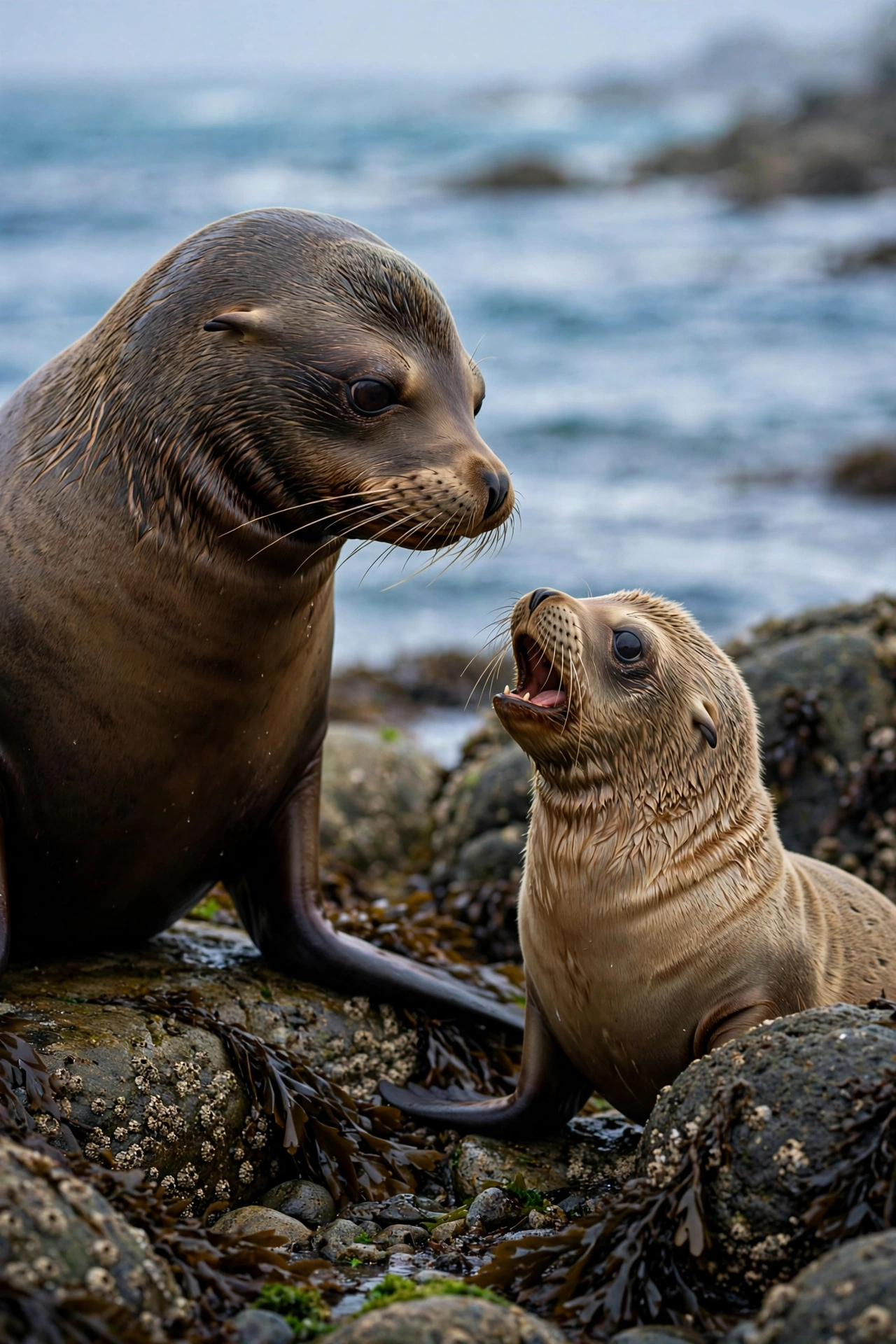
3. Sea Lion Pups And Their Moms Recognize Each Other By Voice Alone
A sea lion colony is loud, crowded, and chaotic — hundreds of animals piled onto the same beach, all barking at once. Yet a mother sea lion can pick out her own pup’s call from the noise, and the pup can recognize its mother’s voice in return. They use special vocalizations that work like a name, so even after the mother has been away hunting for days, the two can find each other on a beach full of strangers.
4. “Puppy-Dog Eyes” Exist Because Dogs Evolved Alongside Us
That look your dog gives you — the big eyes, the raised inner eyebrows — is not an accident. Dogs developed a small facial muscle that lets them raise the inner part of their eyebrow, and wolves do not have it in the same form. Scientists believe it evolved during domestication, because humans responded to it. In other words, your dog’s most effective trick is one we accidentally helped create over thousands of years of living together.

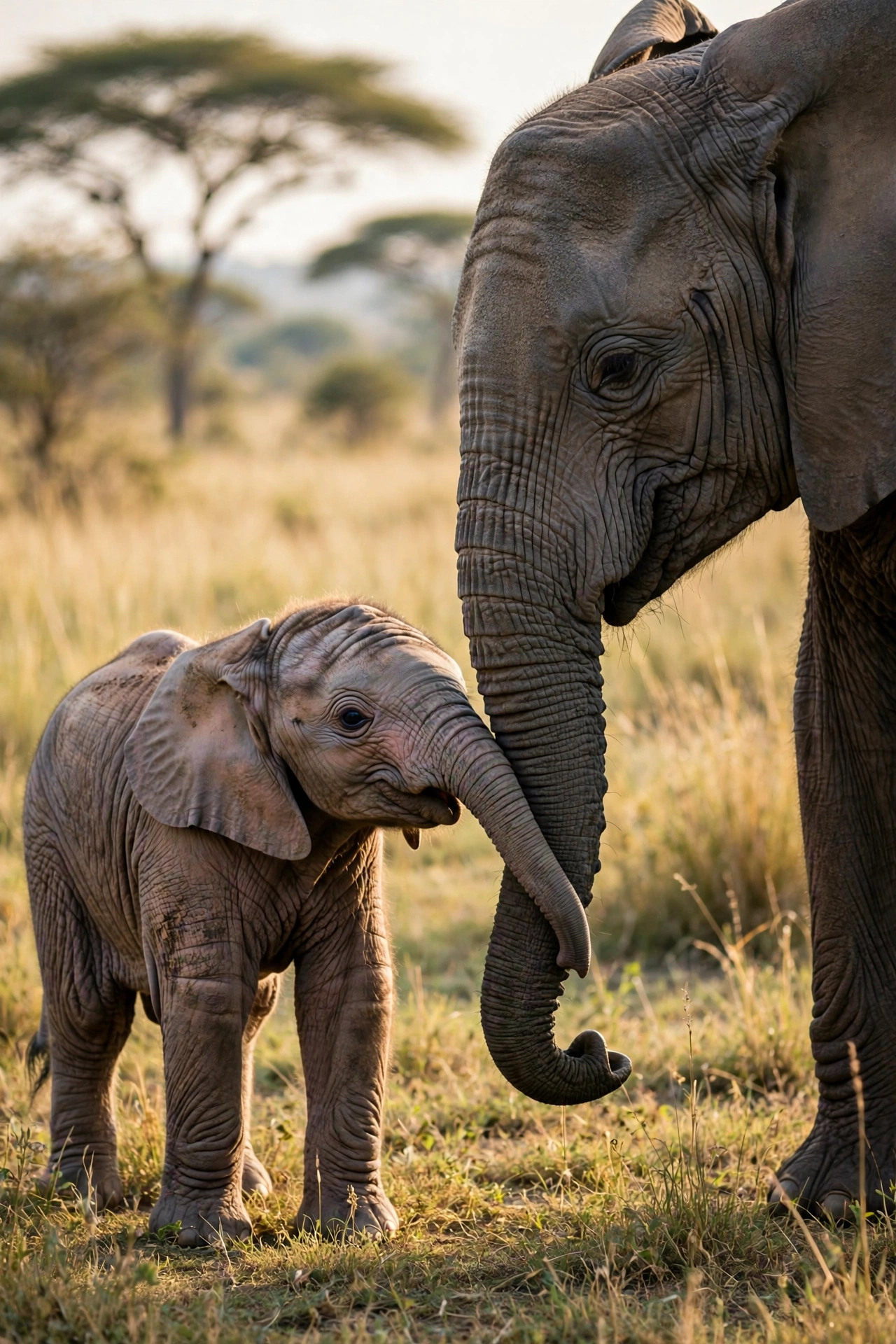
5. A Newborn Elephant Finds Its Mother By Touch, Scent, And Sound
A baby elephant is born with poor eyesight, so it cannot simply look around and spot its mother. Instead, it finds her the way elephants have always navigated the world: by touch, scent, and sound. The calf stays close, feeling its mother’s legs and body, following her smell, and listening for her low rumbles. It is a reminder that for elephants, family is something you feel and hear long before you can properly see it.
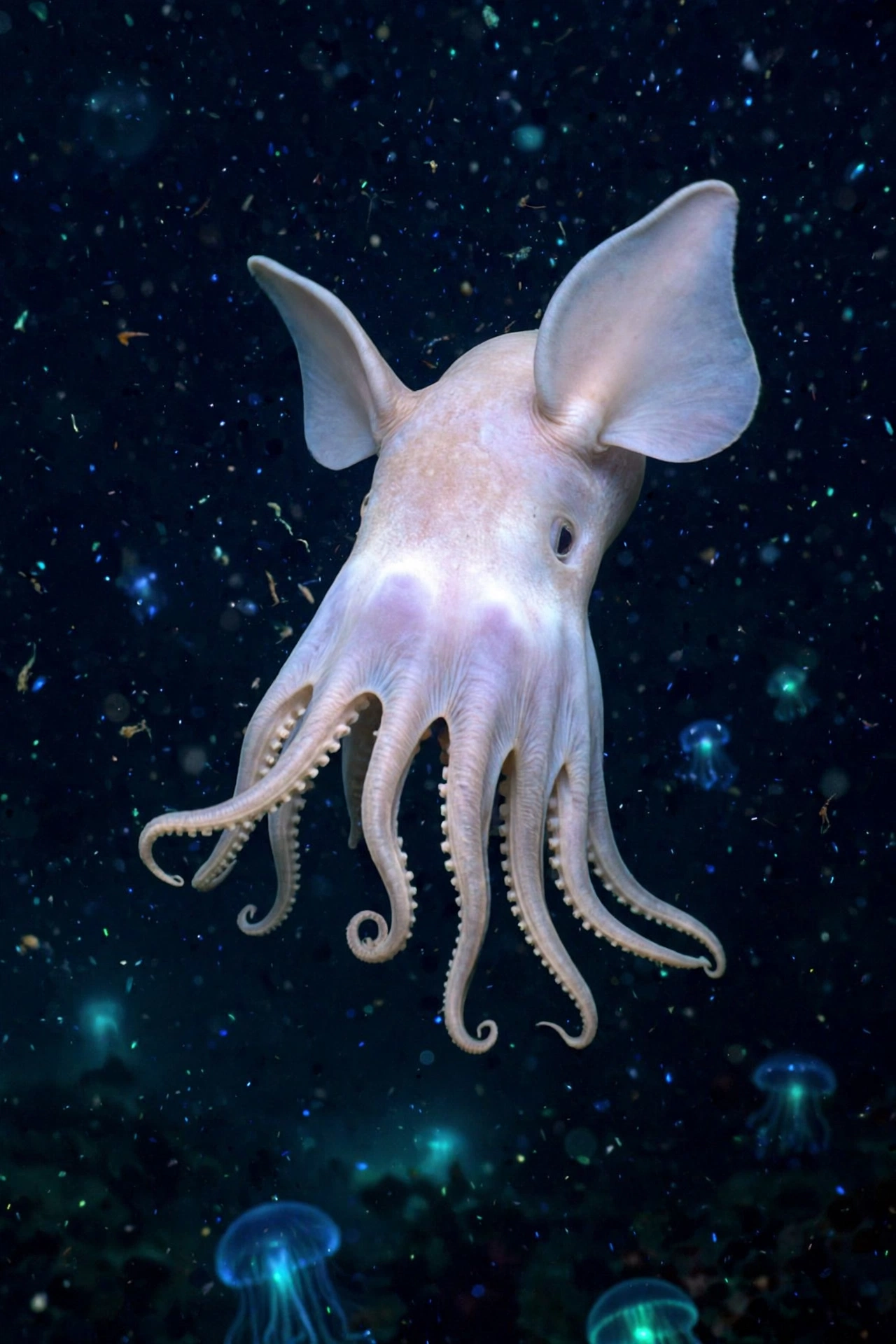
6. The Dumbo Octopus Got Its Name From Fins That Look Like Ears
Deep in the ocean, where sunlight never reaches, lives an octopus with two fins on top of its head that flap like a pair of ears. They reminded scientists of Dumbo, the flying elephant from the Disney film, and the name stuck. The Dumbo octopus is one of the deepest-living octopuses known, drifting through the dark water thousands of feet below the surface, gently flapping its “ears” to move.
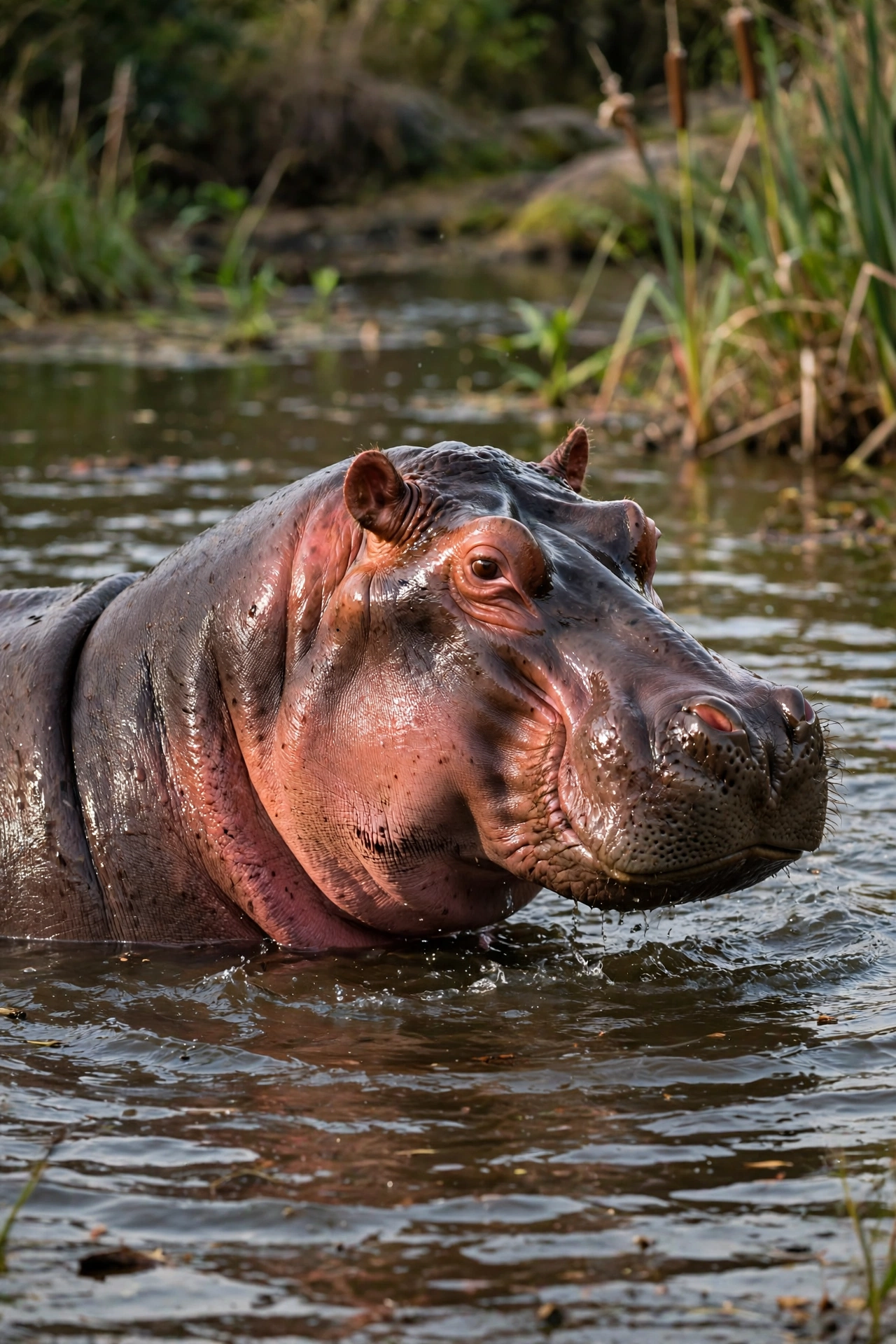
7. Hippos Make Their Own Pink Sunscreen
Hippos spend their days in and out of the water under a fierce sun, and their skin would burn badly without protection. So they make their own. Their skin secretes a thick, pinkish-red substance — sometimes called “blood sweat,” though it is not blood at all — that works as a natural sunscreen and also has antibiotic properties. It is their own built-in lotion, produced on demand, and it is one of the reasons a hippo can lounge in the sun all day without a worry.
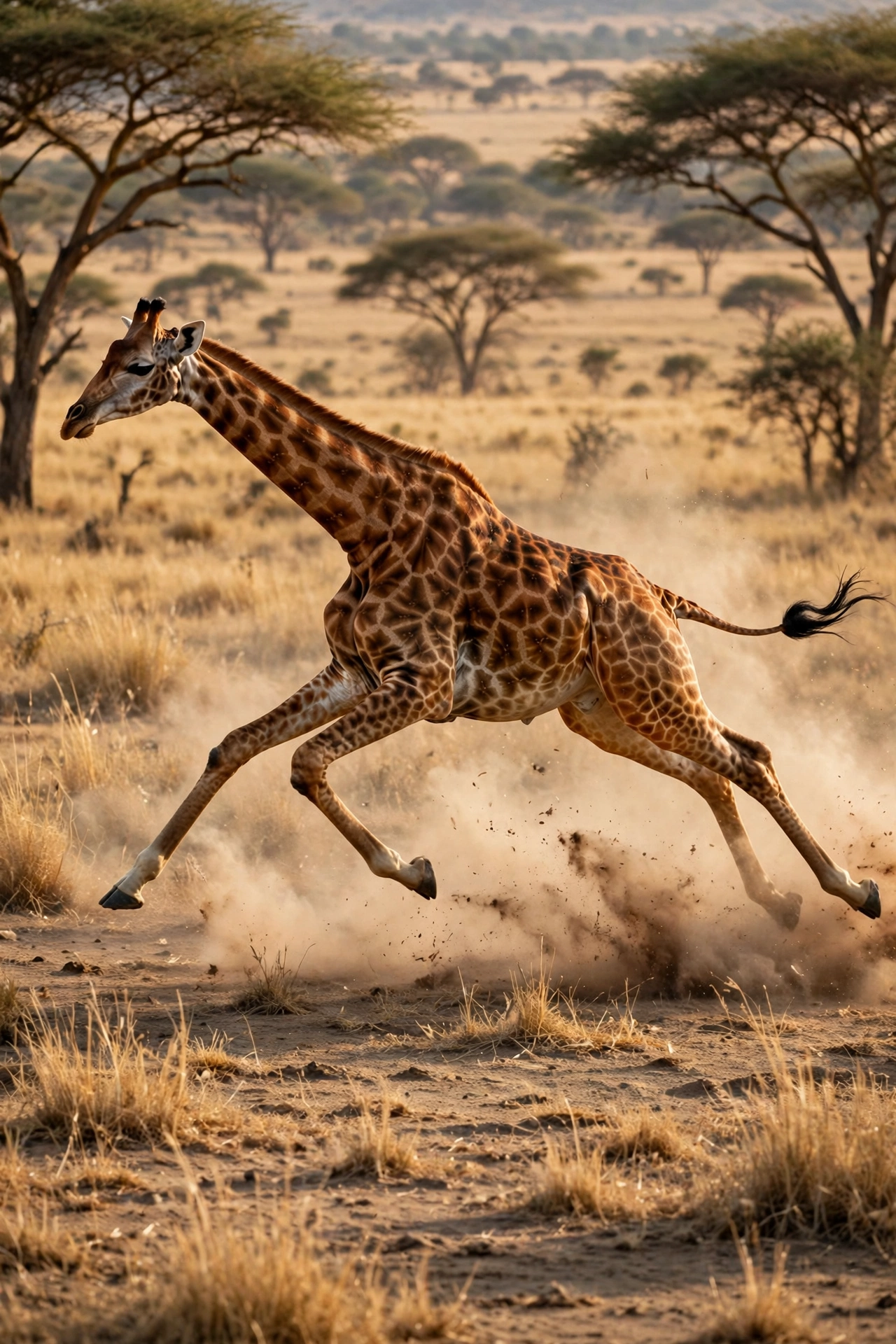
8. Giraffes Can Sprint At 35 Miles Per Hour
Giraffes look like they were built for slow, graceful browsing — but they can move. When a giraffe needs to, it can sprint at up to 35 miles per hour, which is faster than most people could ever run and quick enough to outpace many predators over a short distance. Even at a relaxed walk, those long legs carry it along at around 10 miles per hour without much effort at all. It is a useful reminder that the tallest animal on land is also one of the fastest when it counts.
9. An Abandoned Minefield Accidentally Became A Penguin Sanctuary
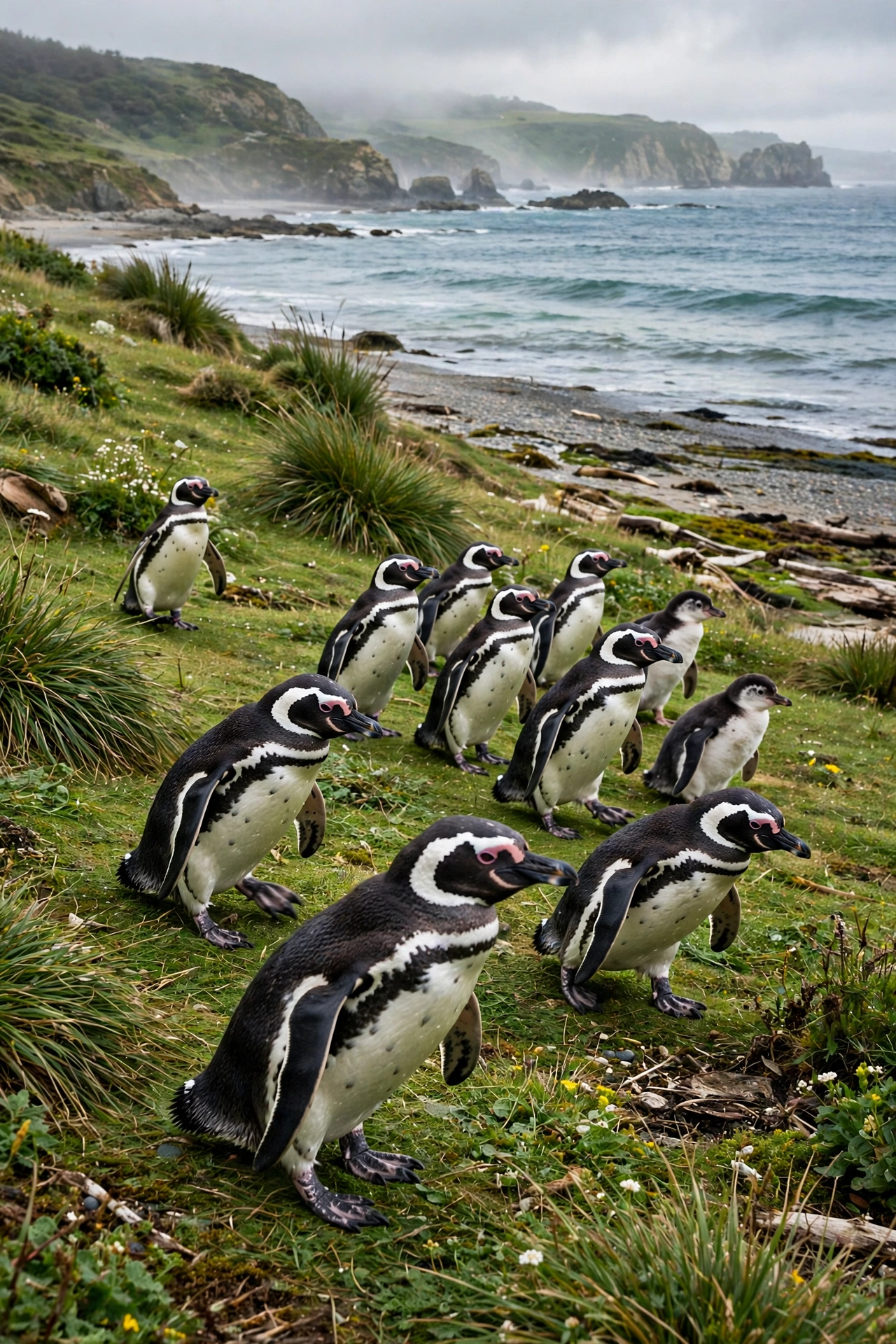
During the 1982 conflict in the Falkland Islands, minefields were laid along parts of the coast. The mines were never fully cleared, so people stay away — but penguins moved in. The birds are too light to set the mines off, and with no humans or large predators bothering them, the fenced-off beaches became a safe haven. It is a strange twist: a place designed to keep people out ended up protecting the penguins that live there.
10. Giraffe Blood Pressure Helped Engineers Design Spacesuits
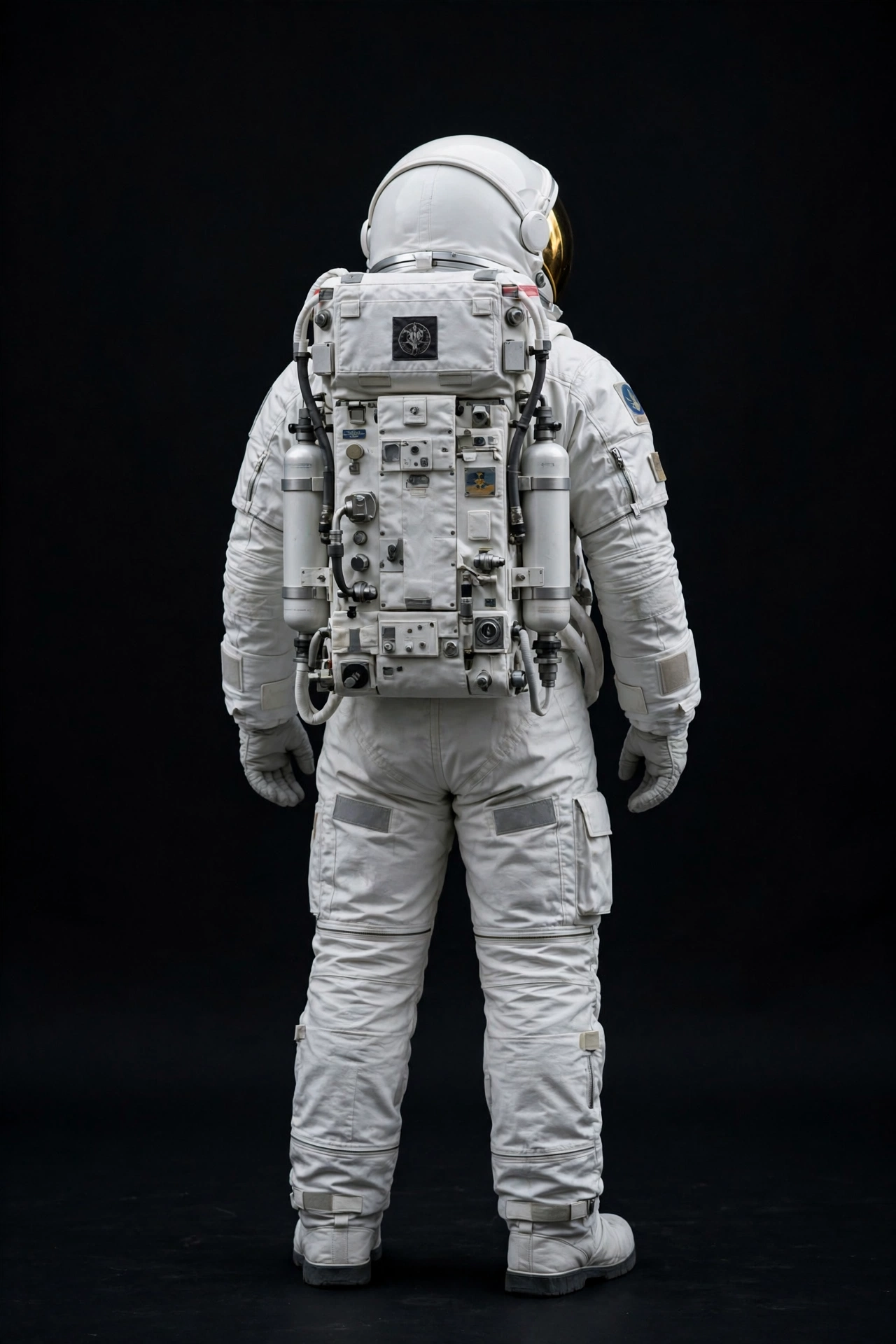
A giraffe’s heart has a serious engineering problem to solve: it has to pump blood all the way up a neck that is around six feet long, against gravity, without the animal fainting every time it lowers its head to drink. Its blood pressure is roughly twice that of a human, and its body has a clever system of valves and vessels to manage it. Aeronautical engineers studied that system when designing the pressure suits that protect pilots and astronauts from the crushing forces of high gravity. The giraffe solved the problem first — we just copied the homework.
11. Cats Have Played A Role In The Extinction Of 33 Species
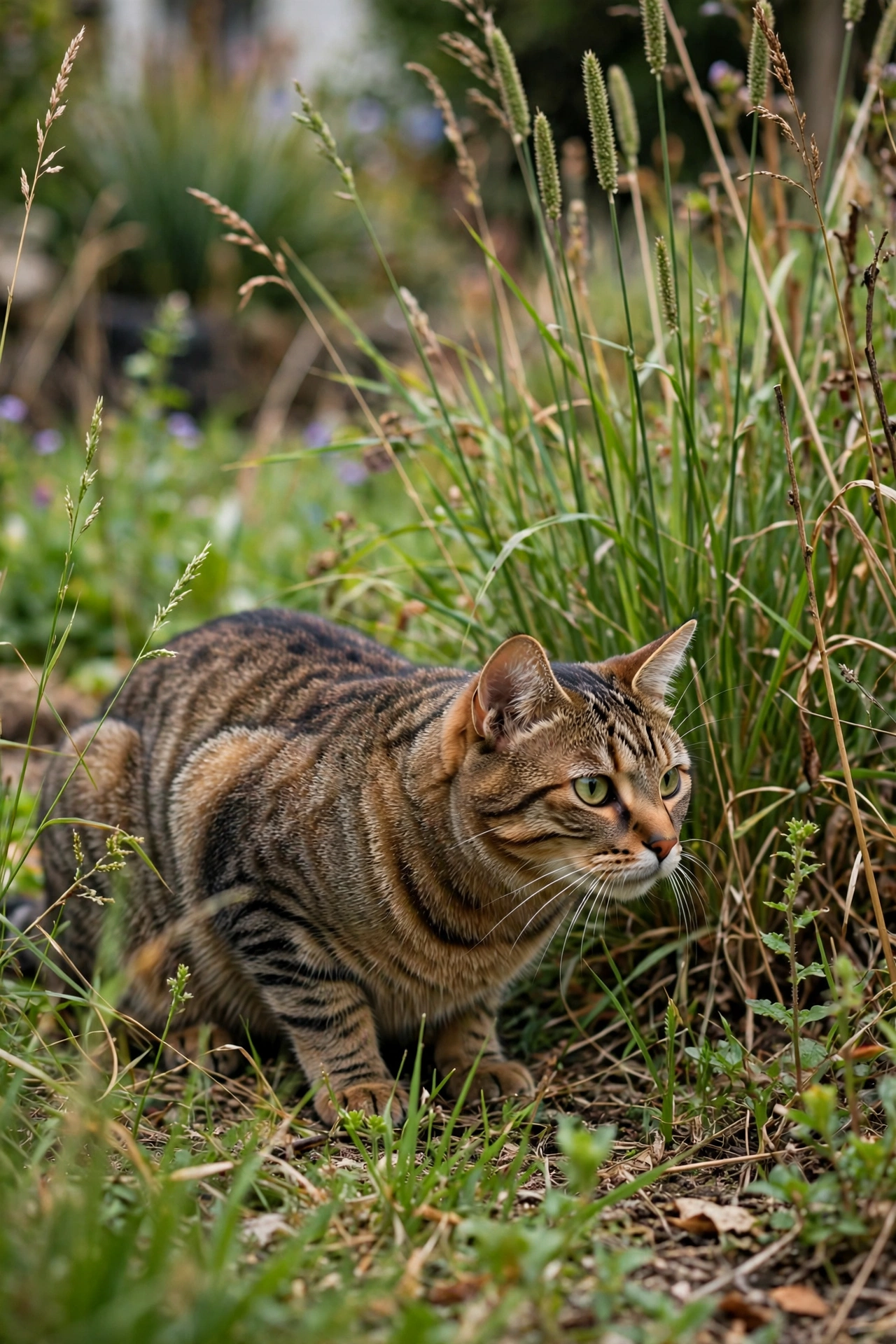
Cats are beloved pets, but they are also remarkably effective hunters, and on islands the consequences have been severe. Scientists have linked cats — mostly feral and free-roaming ones — to the extinction of 33 species, mostly birds, small mammals, and reptiles that had no defences against a predator they had never met before. It is not a reason to love cats less, but it is a real reason to keep pet cats indoors or supervised, especially in areas with vulnerable wildlife.
12. Dogs Prefer To Face North When They Poop
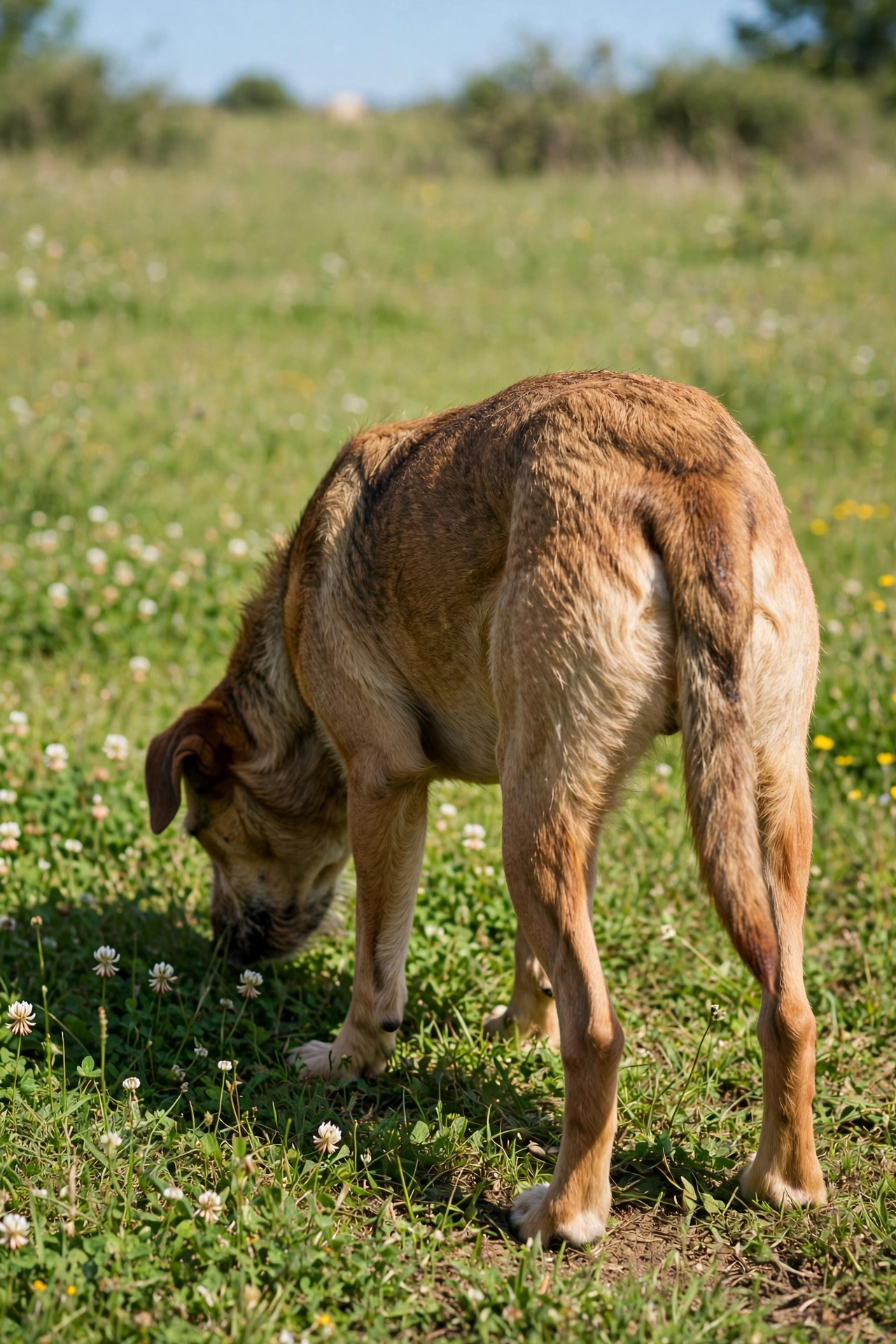
This one sounds like a joke, but it comes from a real study. Researchers who watched dogs relieve themselves over two years found that the animals tended to align their bodies along the north-south magnetic axis — but only when the Earth’s magnetic field was calm. When the field was unsettled, the preference vanished. Dogs, it seems, can sense the planet’s magnetic field, and they use it for the most ordinary moments of their day.
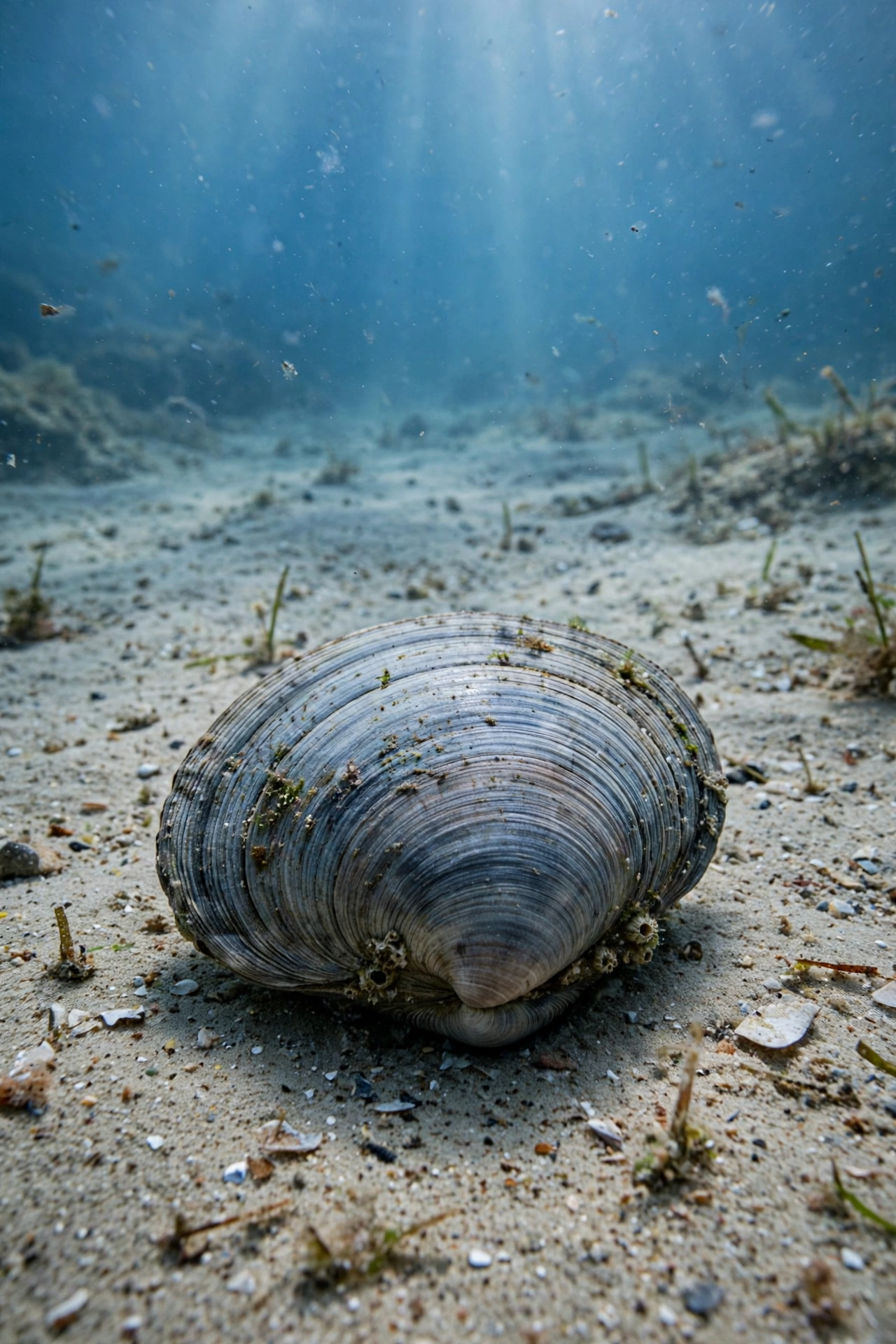
13. The Oldest Known Animal Was A Clam That Lived 507 Years
Most animals measure their lives in years or decades. A clam found off the coast of Iceland in 2006, nicknamed Ming, lived for 507 years — it was born in 1499, before Columbus’s voyages were even old news. Scientists worked out its age by counting the growth rings on its shell, the way you would count the rings of a tree. It lived through centuries of human history without ever moving more than a few feet, quietly filtering the cold northern water.
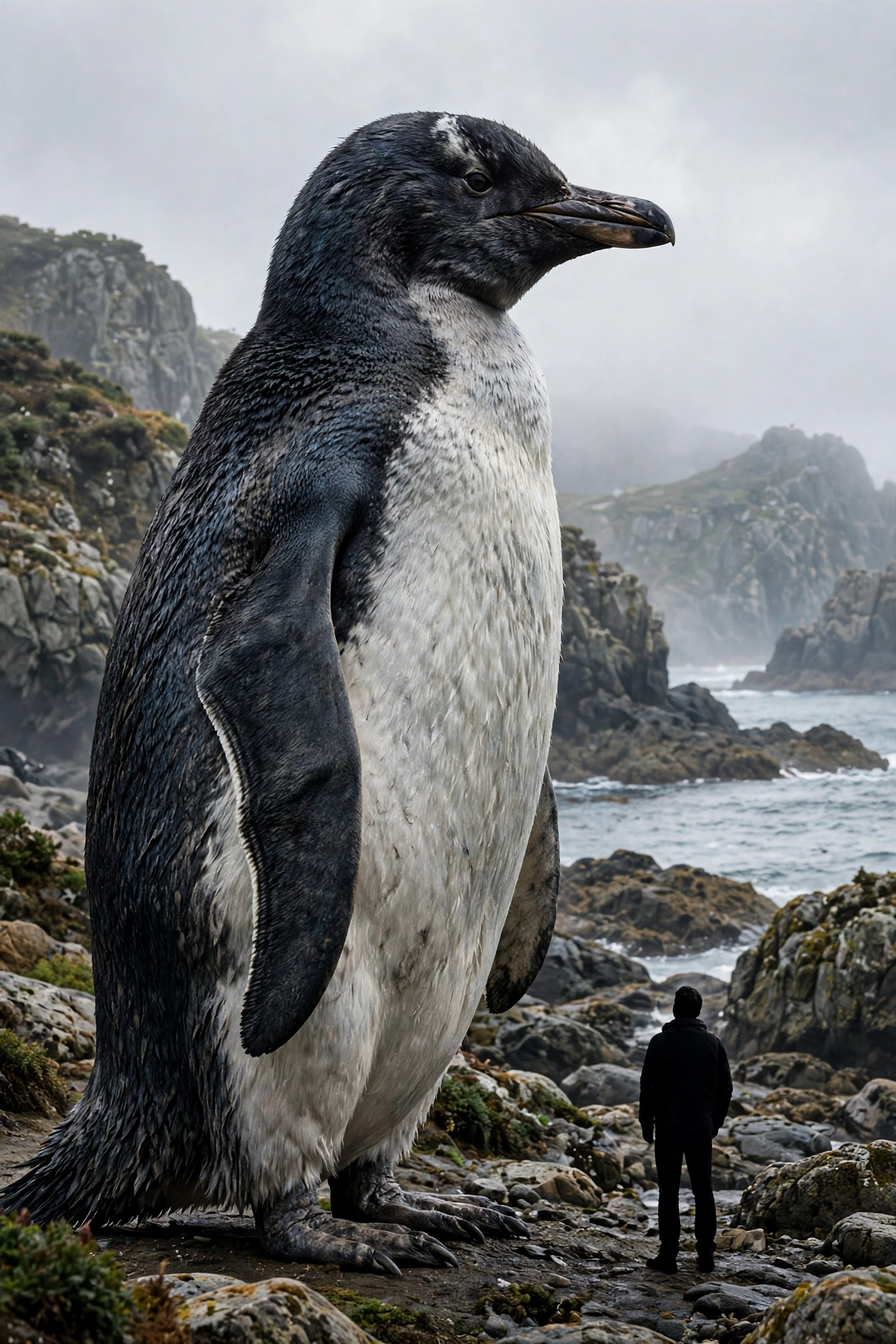
14. Millions Of Years Ago, Penguins Stood Nearly 7 Feet Tall
Today’s penguins are charming, knee-high birds. Their ancient relatives were something else entirely. Fossil evidence shows that millions of years ago, some penguins stood around 6 feet 8 inches tall and weighed roughly 250 pounds — taller than most people and heavier than a grown man. Imagine meeting one of those on a beach. The giant penguins are long gone, but their bones are a reminder that the animals we know today are often the smaller, gentler versions of what once walked the Earth.
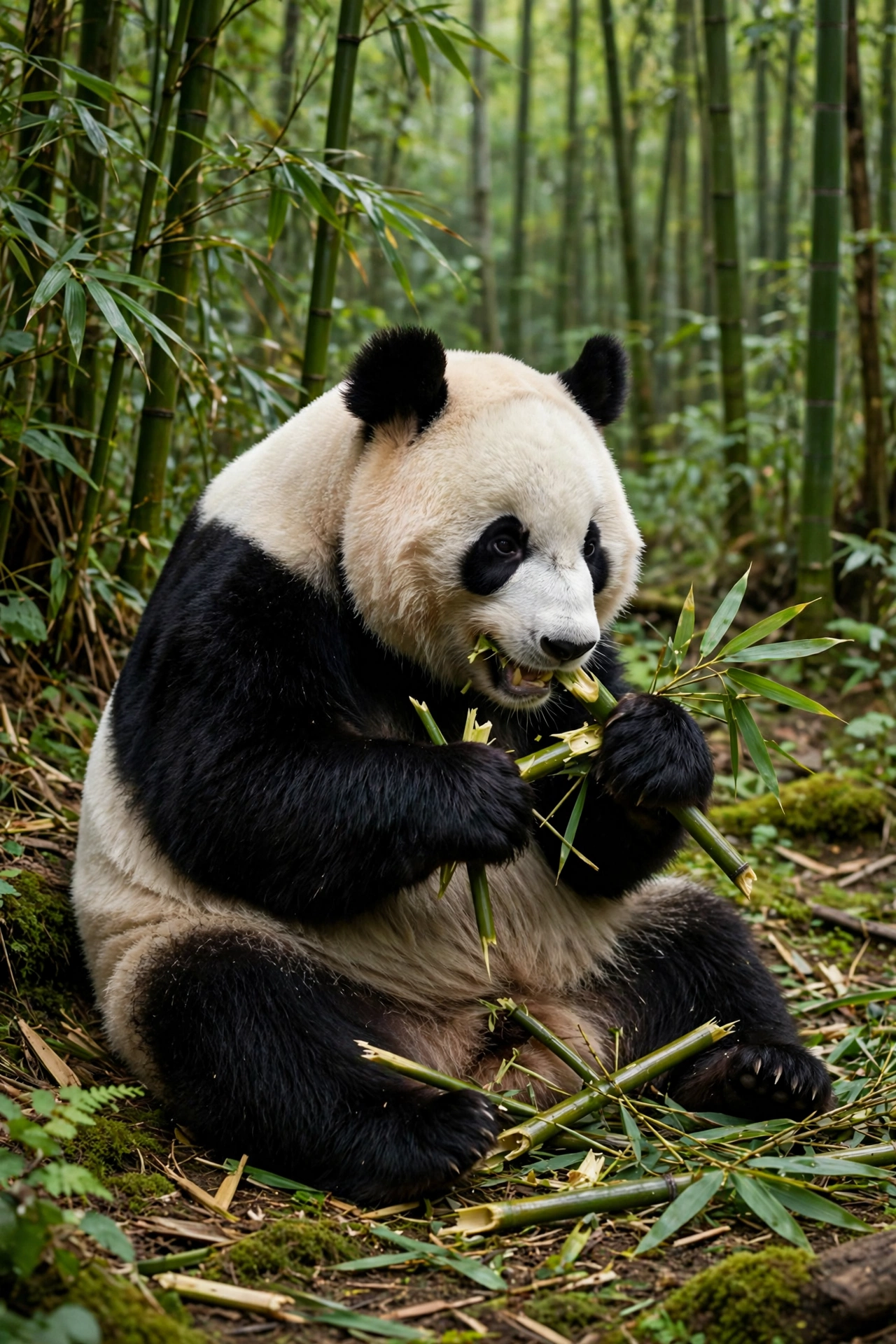
15. Giant Pandas Are No Longer Endangered — And Tiger Numbers Are Rising
Here is some genuinely good news. The giant panda, once the symbol of endangered species everywhere, has been moved off the endangered list after decades of conservation work — forest protection, bamboo habitat restoration, and breeding programmes brought its numbers back from the edge. Wild tiger populations are also climbing again after years of decline. It does not mean the work is finished, but it proves that when conservation is taken seriously, even the most famous animals on the planet can come back.
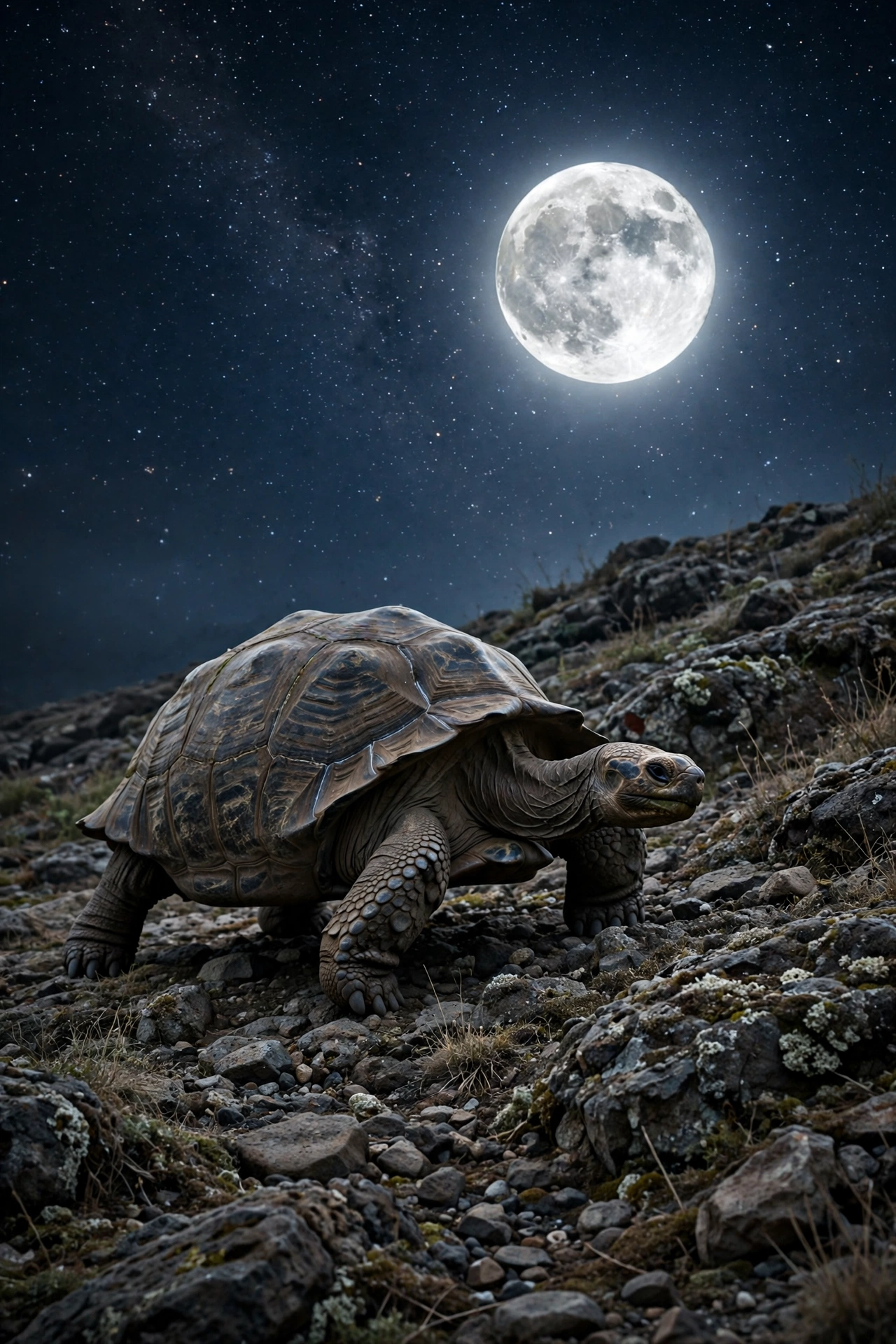
16. The First Animal To Orbit The Moon Was A Tortoise
Before humans ever flew to the Moon, a tortoise got there first. In September 1968, the Soviet spacecraft Zond 5 carried two tortoises — along with some other small creatures — on a flight around the Moon and back to Earth. They became the first animals to circle our nearest neighbour and return alive. The tortoises were chosen because they could survive for days without food or water, and they handled the journey well. Humans followed a few months later.
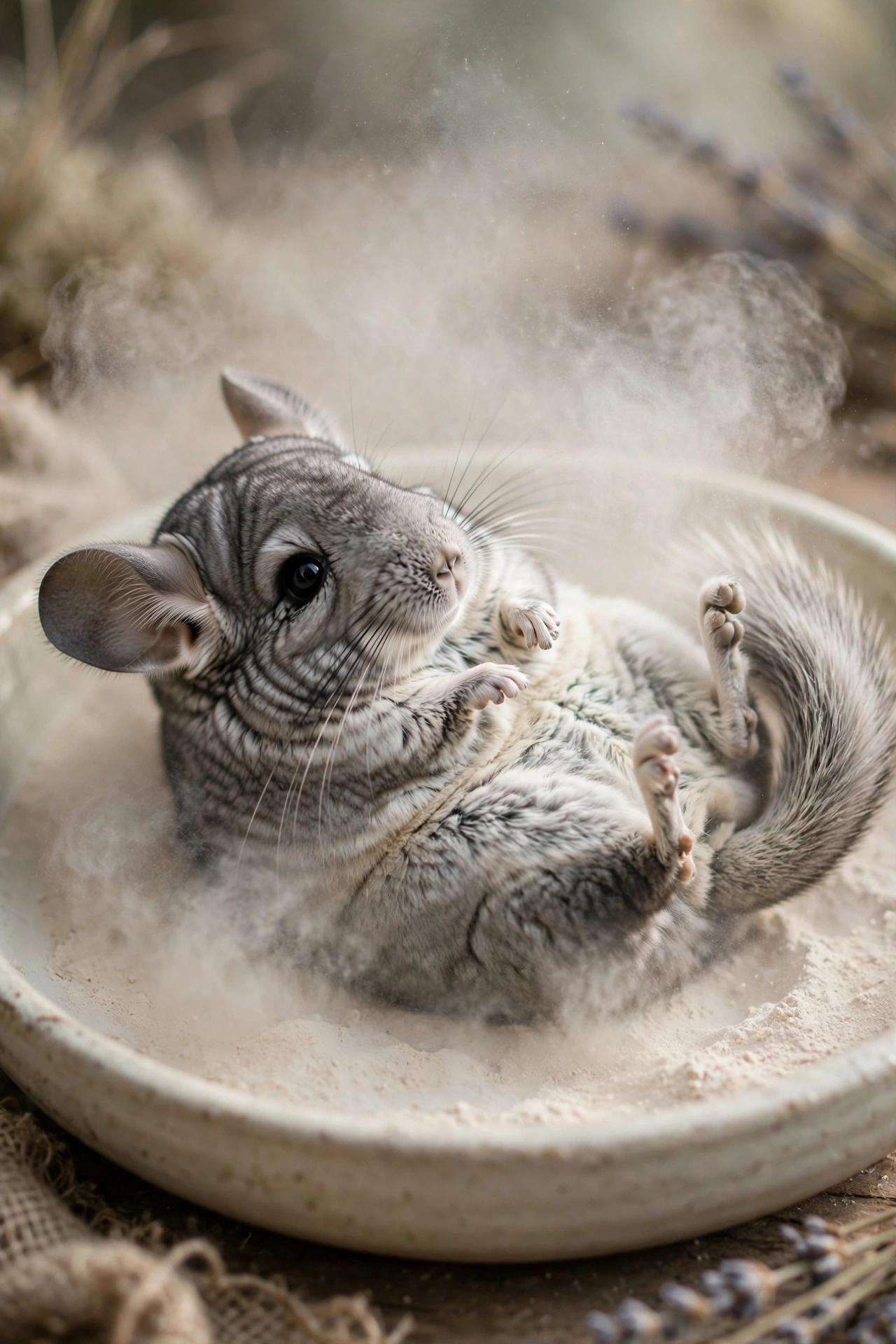
17. Chinchillas Don’t Bathe In Water — They Bathe In Dust
A chinchilla’s fur is so dense — tens of thousands of hairs in a single square inch — that getting it wet would be a disaster. Wet fur mats, traps moisture against the skin, and can make the animal sick. So chinchillas bathe the way their mountain home taught them: they roll around in fine volcanic dust. The dust absorbs oil and moisture from the fur, leaving it clean, fluffy, and dry. It looks like play, but it is essential grooming.
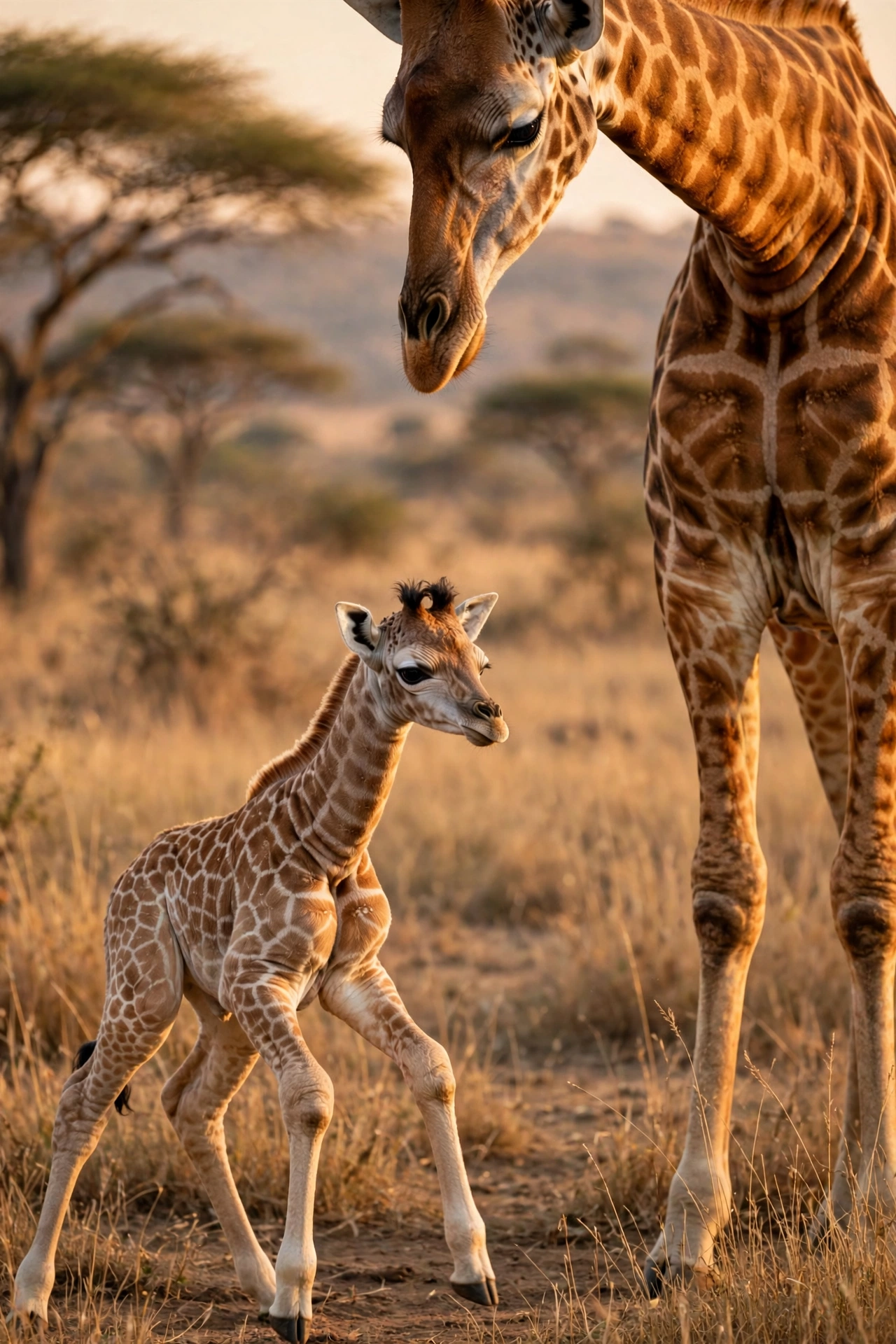
18. A Baby Giraffe’s First Experience Is A Six-Foot Drop
Giraffes give birth standing up, which means the first thing a newborn giraffe experiences in life is a fall of about six feet onto the ground. It sounds harsh, but it is actually useful: the drop helps break the umbilical cord and jolts the calf into taking its first breath. Within the hour, that same calf is usually on its feet and trying to walk. It is a rough welcome to the world — and the beginning of a life spent looking down on almost everything else.
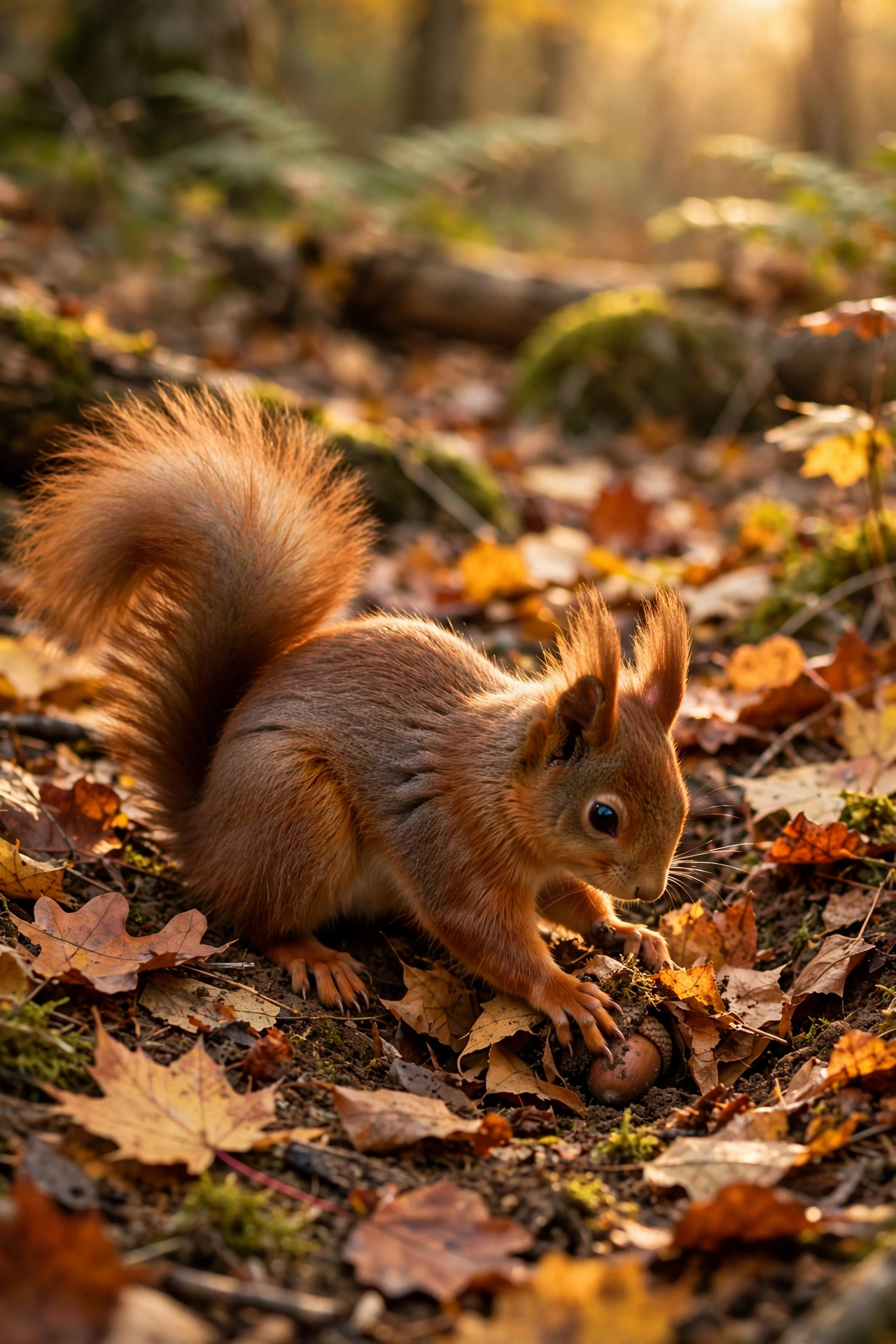
19. Forgetful Squirrels Plant Hundreds Of Trees Every Year
Squirrels are famous for burying nuts and seeds for the winter — and equally famous for forgetting where they put them. That forgetfulness turns out to be one of nature’s best tree-planting programmes. Every year, hundreds of buried seeds that were never dug back up sprout into seedlings, growing into the next generation of oaks, hickories, and other trees. Forests, in a very real sense, are partly planted by squirrels with bad memories.
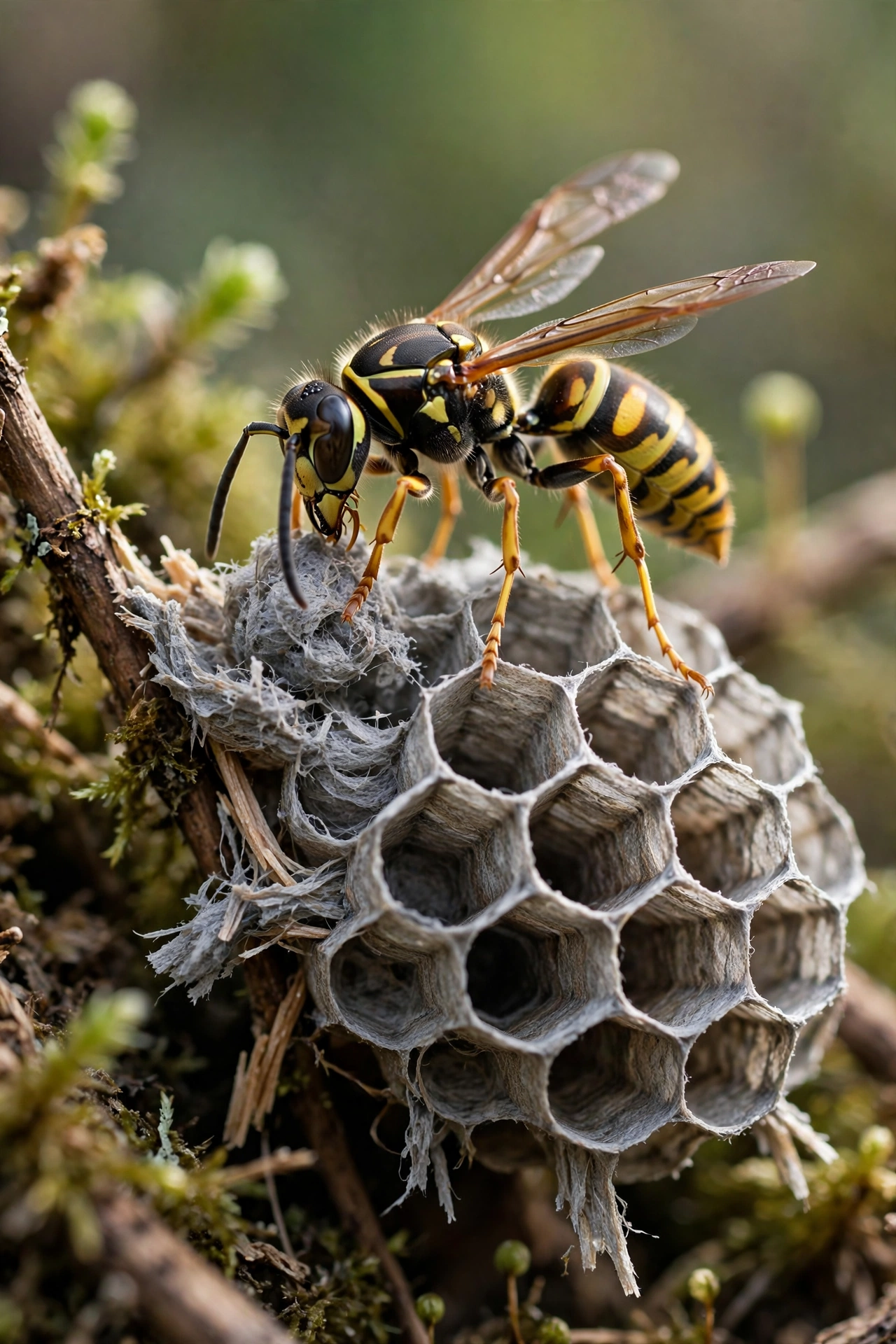
20. Wasps Were Making Paper Long Before Humans
Long before humans invented paper, wasps were already manufacturing it. Paper wasps chew wood fibres into a pulp, mix it with their saliva, and build delicate grey nests out of the result — a material that is, by any honest definition, paper. Humans came to the idea much later, and some historians believe early papermakers may have taken inspiration from watching wasps at work. The next time you see a wasp nest, remember: you are looking at one of the oldest factories on Earth.
21. Wombats Poop In Cubes
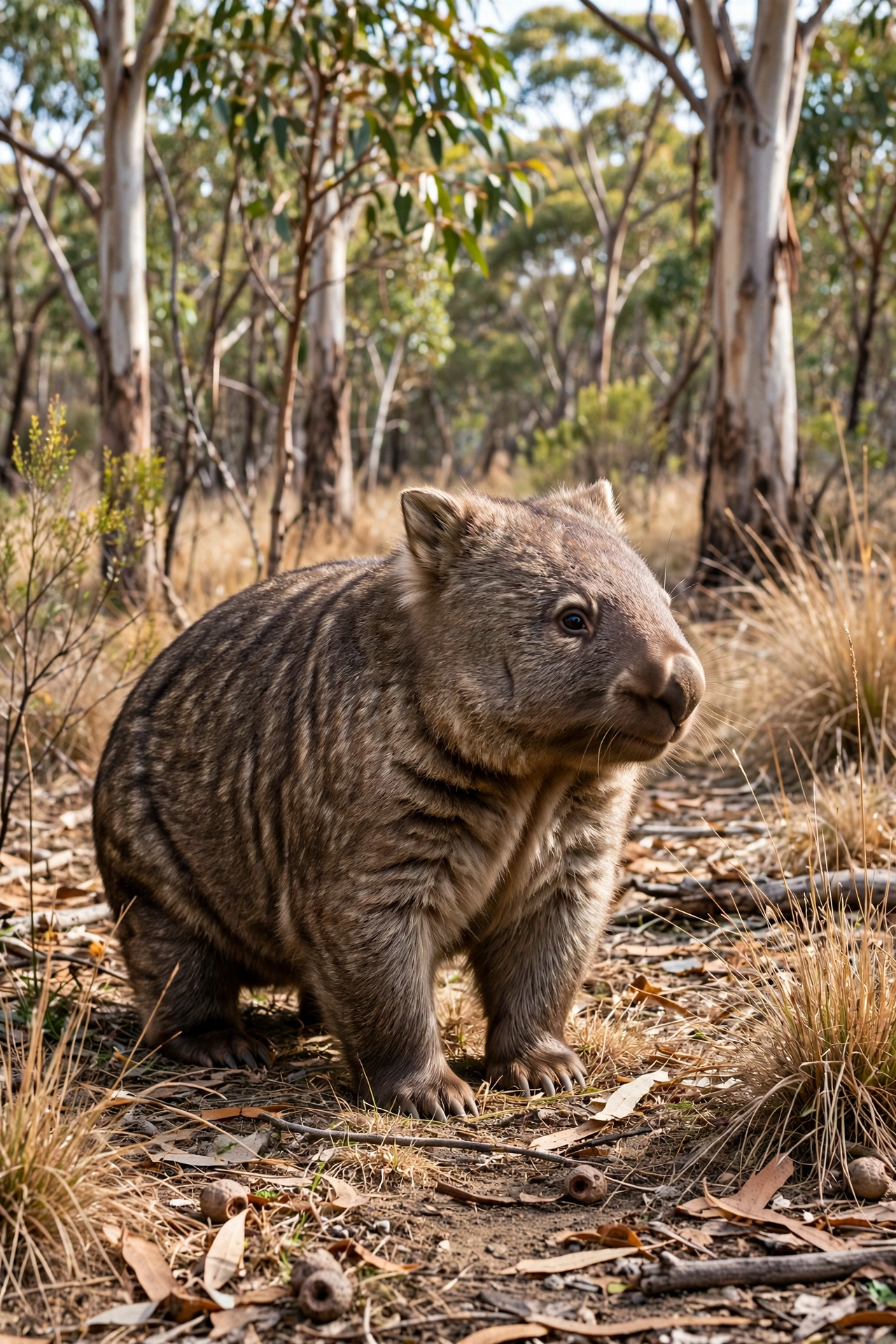
Of all the facts on this list, this one is the most delightfully strange. Wombats are the only known animals that produce cube-shaped droppings. The cubes form in the wombat’s intestines, where the gut walls squeeze the waste into neat little blocks — and the shape is practical, not just funny. A cube does not roll away, so the wombat can stack its droppings in piles to mark its territory, like little signposts that stay exactly where they were left.
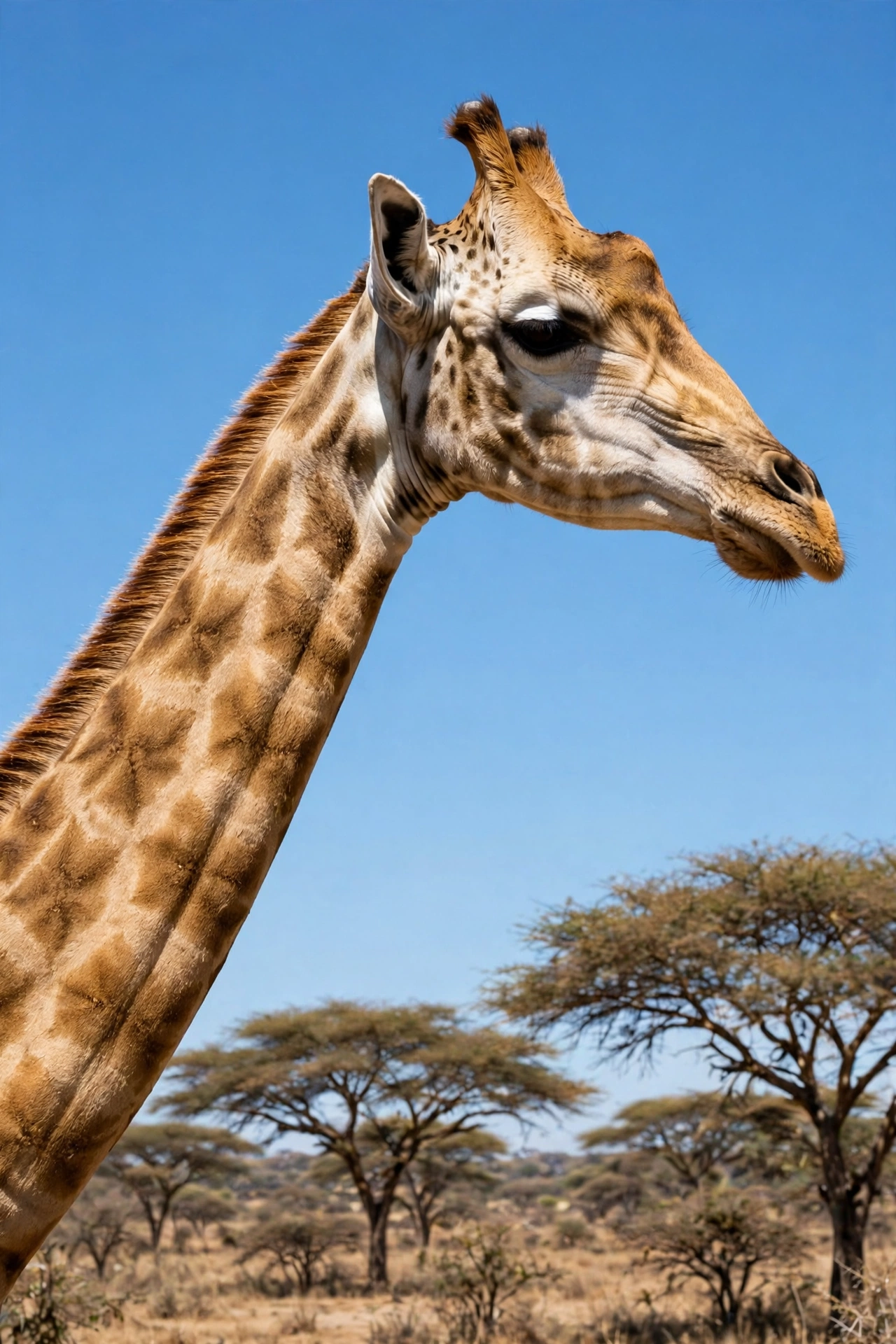
22. A Giraffe’s Neck Has The Same Number Of Bones As Yours
A giraffe’s neck is around six feet long. Yours is a few inches. Yet both necks are built from exactly seven vertebrae — the same number found in almost every mammal, from mice to whales. The difference is not the count, it is the size: each of a giraffe’s neck bones can be more than ten inches long, while yours are a fraction of that. Evolution, it turns out, rarely changes the blueprint. It just scales it up.
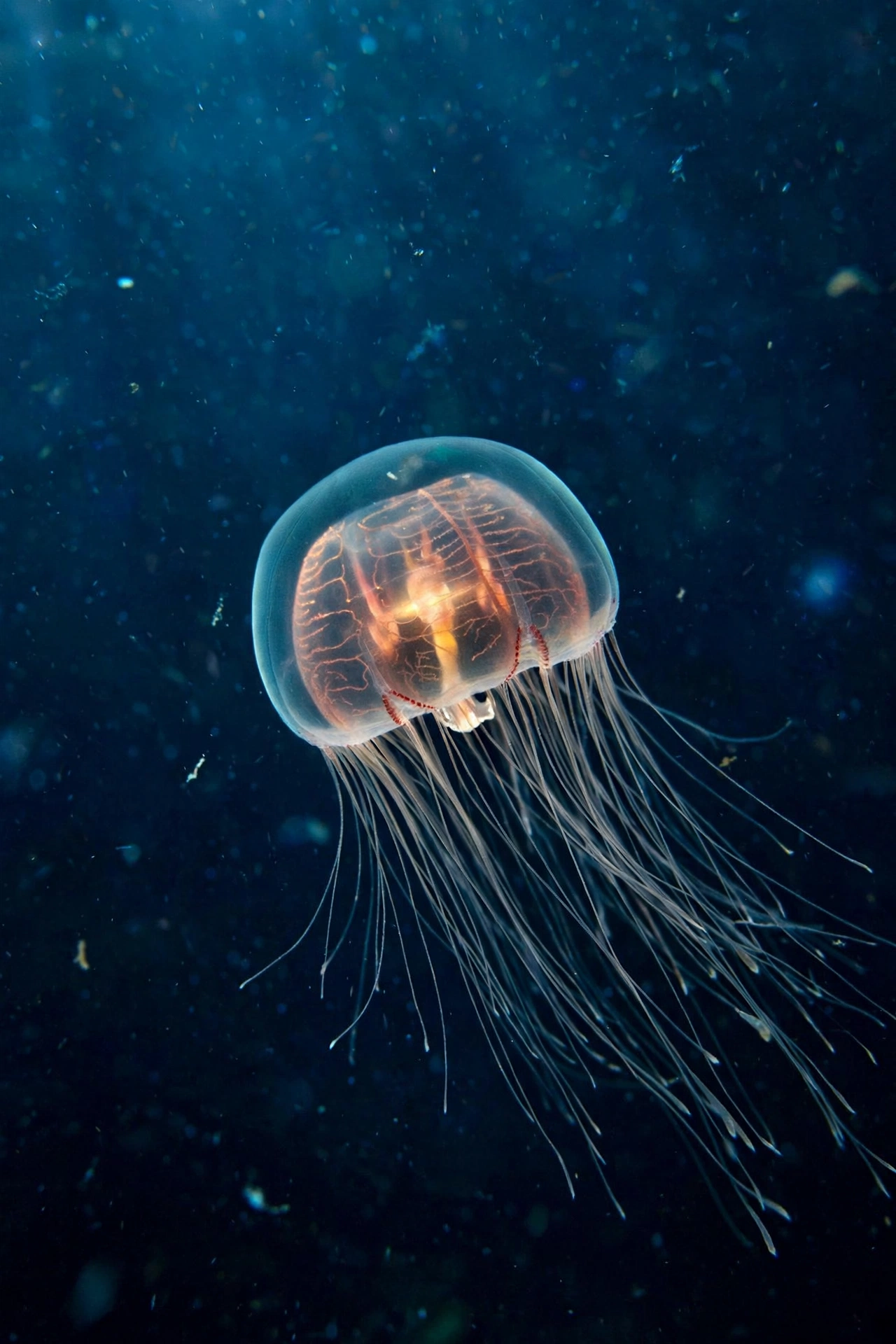
23. This Jellyfish Can Basically Live Forever
The jellyfish known as Turritopsis dohrnii has a trick no other animal can match. When it is injured, starving, or simply old, it can revert its body back to an earlier stage of its life — transforming from an adult jellyfish back into a polyp, the young form it started as — and then grow up all over again. In theory, it can repeat the cycle indefinitely, which is why scientists call it the “immortal jellyfish.” It is not truly invincible — it can still be eaten or killed — but old age alone cannot finish it.
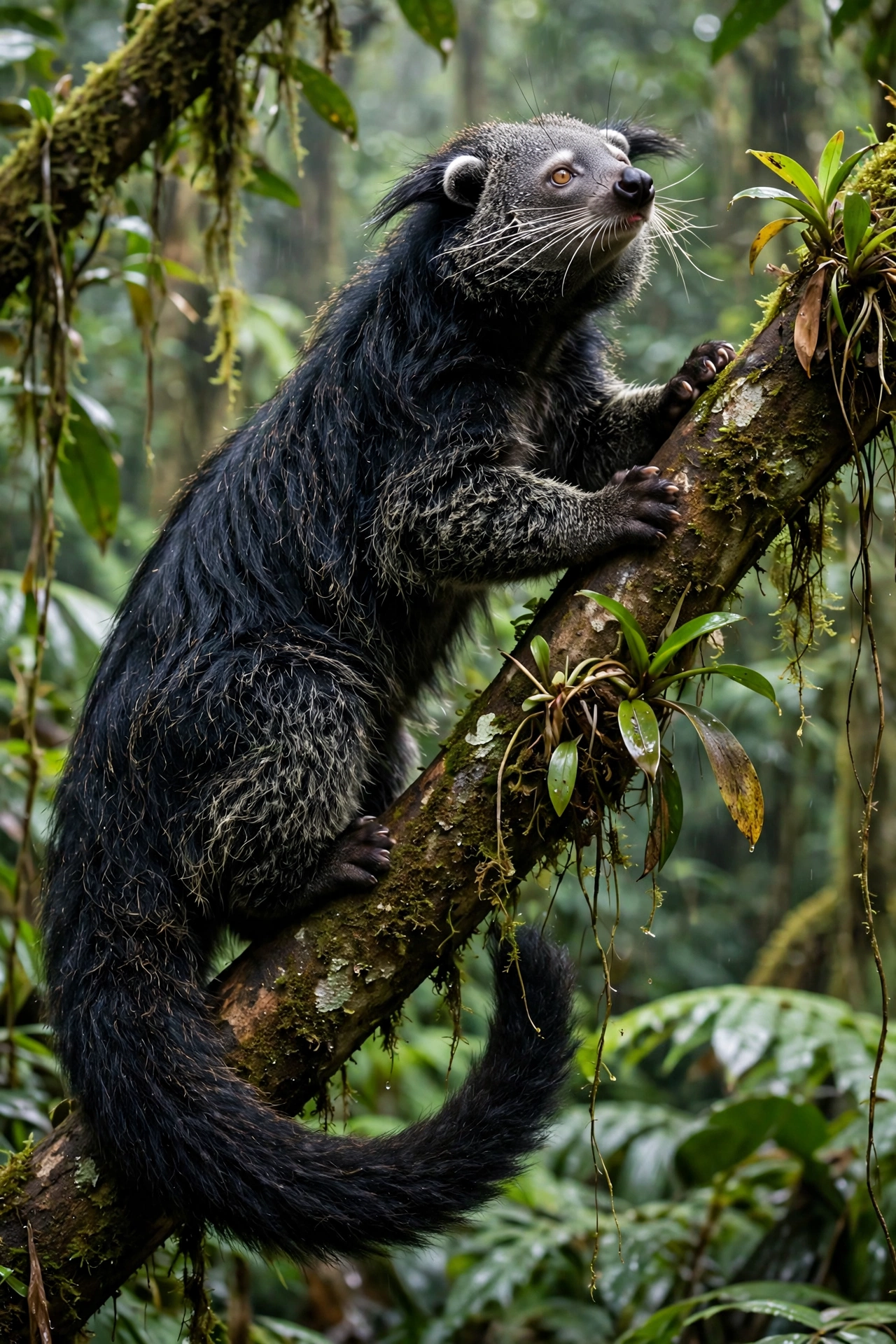
24. The Binturong Smells Like Buttered Popcorn
The binturong — also known as the bearcat, though it is neither a bear nor a cat — is a shaggy, slow-moving mammal from the rainforests of Southeast Asia. And it smells exactly like a cinema lobby. The scent comes from a compound in its urine that is the same one that gives freshly popped popcorn its buttery aroma. Walk through a binturong’s territory and you might think someone is making a snack nearby. It is just a bearcat, going about its day.
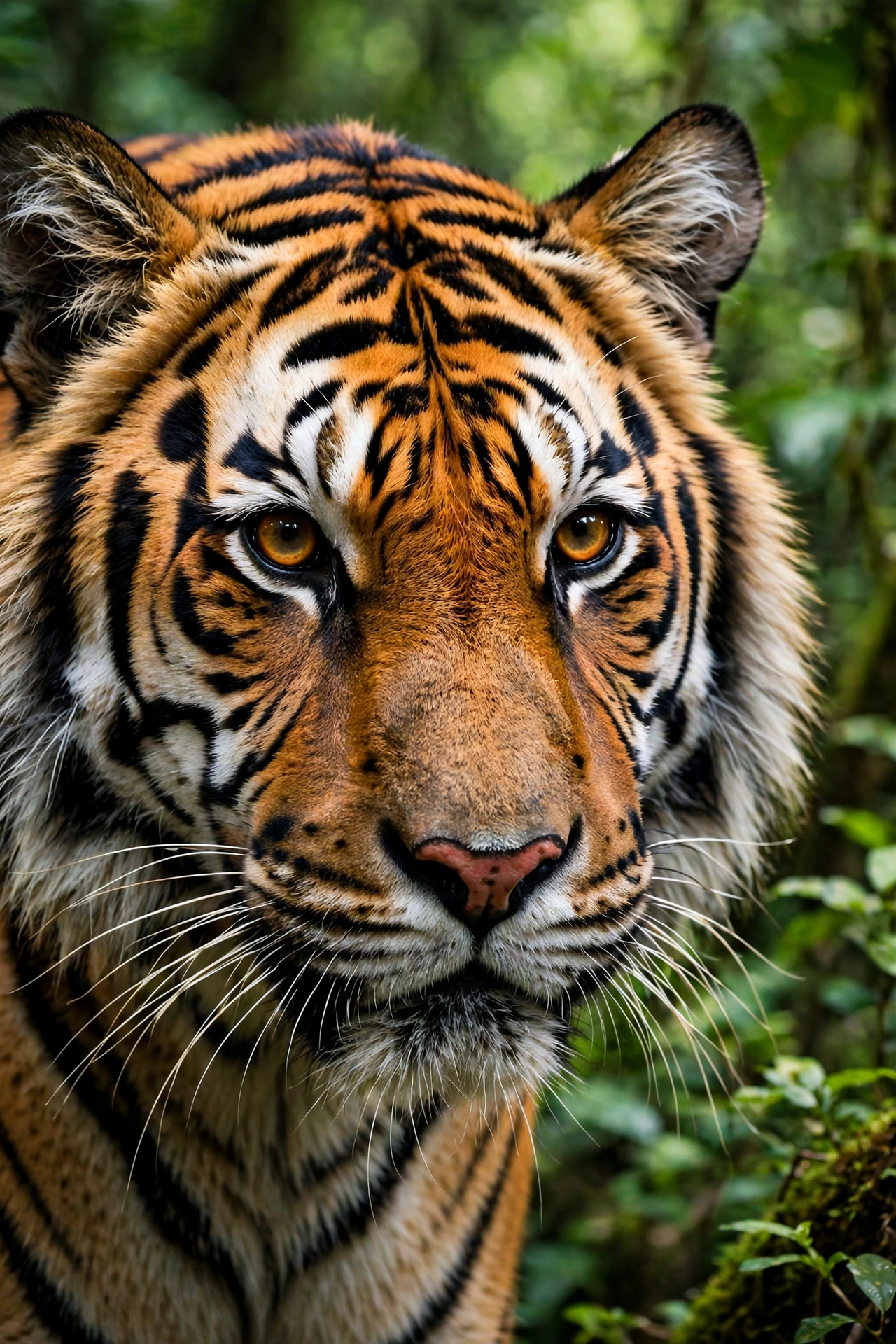
25. A Tiger’s Stripes Aren’t Just On Its Fur — They’re On Its Skin
Shave a tiger — not that anyone should try — and you would still see its stripes. The pattern is not just in the fur; it is marked on the skin underneath as well. Every tiger’s stripe pattern is unique, like a fingerprint, which is how researchers can identify individual tigers in the wild from camera-trap photos. No two tigers wear the same stripes, and the pattern runs deeper than the coat.
That is the animal kingdom for you: stranger, cleverer, and more surprising than anything we could make up. From a tortoise that flew to the Moon to a jellyfish that refuses to grow old, the natural world keeps finding ways to outdo our imagination. And the best part? These are only 25 facts. There are 82 more where they came from — and a lifetime of animals left to learn about.
You May Also Like
15 Random Pet Behaviors, Finally Explained
6 Signs Your Dog Is Truly Happy, According To Veterinarians