Some facts sound so strange that your first instinct is to call them fake. A fish committing credit card fraud? Chainsaws invented for childbirth? An army losing a war to birds? Each one sounds like something someone made up on the internet — and each one is documented, verified, and completely true.
That is the strange pleasure of a fact that sounds fake: it reminds you how little of the world you actually know. The planet is weirder than any story anyone could invent, and the proof is sitting in biology textbooks, history books, and hospital records. Here are 32 scary facts that sound fake but are actually true — and once you know them, you will never quite look at the world the same way again.
1. A Spider’s Bite Can Cause a Prolonged Erection
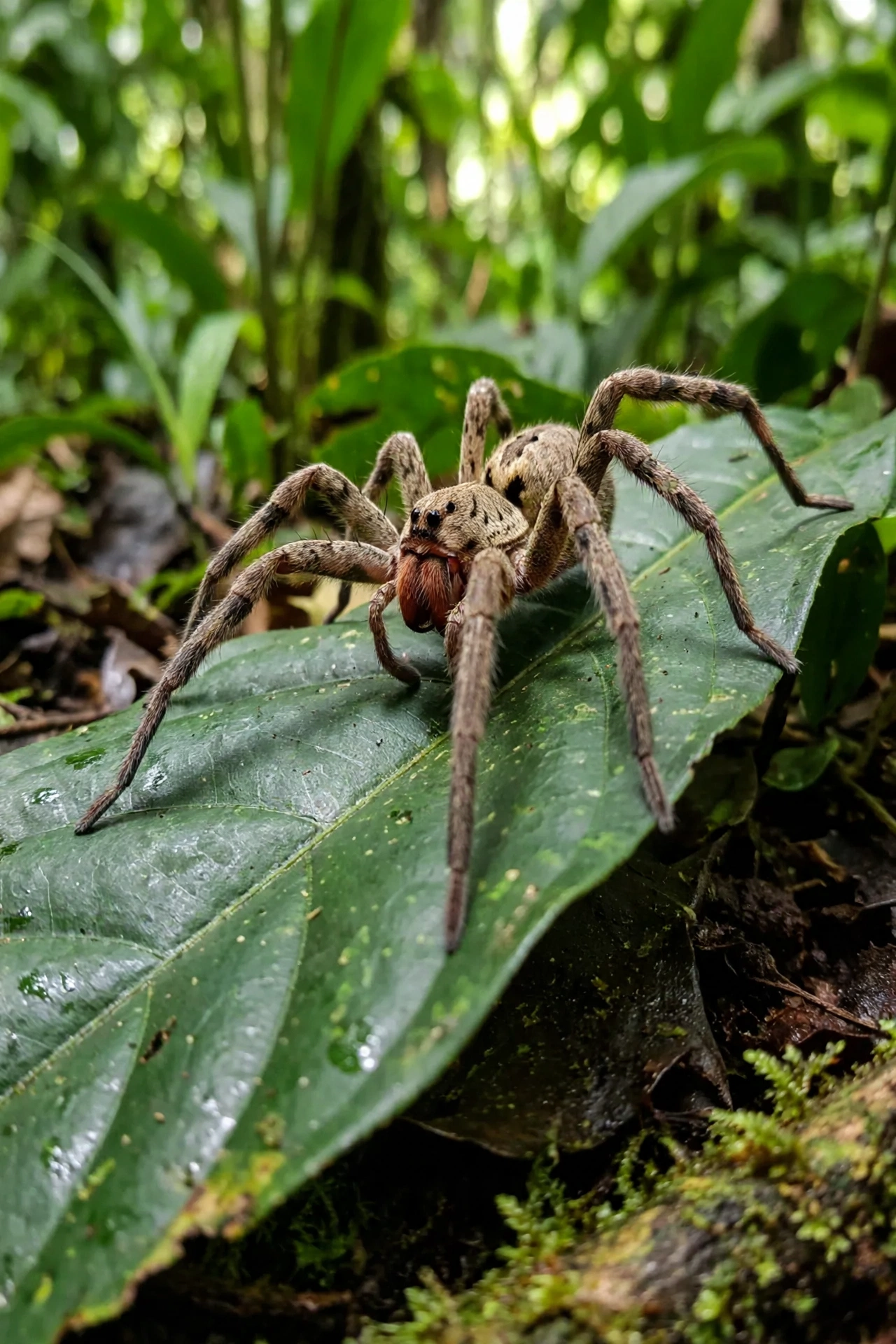
The Brazilian wandering spider is one of the most venomous spiders on Earth, and its bite has an effect doctors find both alarming and scientifically fascinating. In men, the venom can trigger a prolonged, painful erection that lasts for hours. The cause is a compound in the venom that interferes with the body’s blood-flow signals, and researchers have studied it as a possible lead for future erectile-dysfunction treatments. It is a reminder that nature’s chemistry is far stranger than anything a laboratory would design on purpose.
2. The Tiger That Tracked Down the Hunter Who Shot It
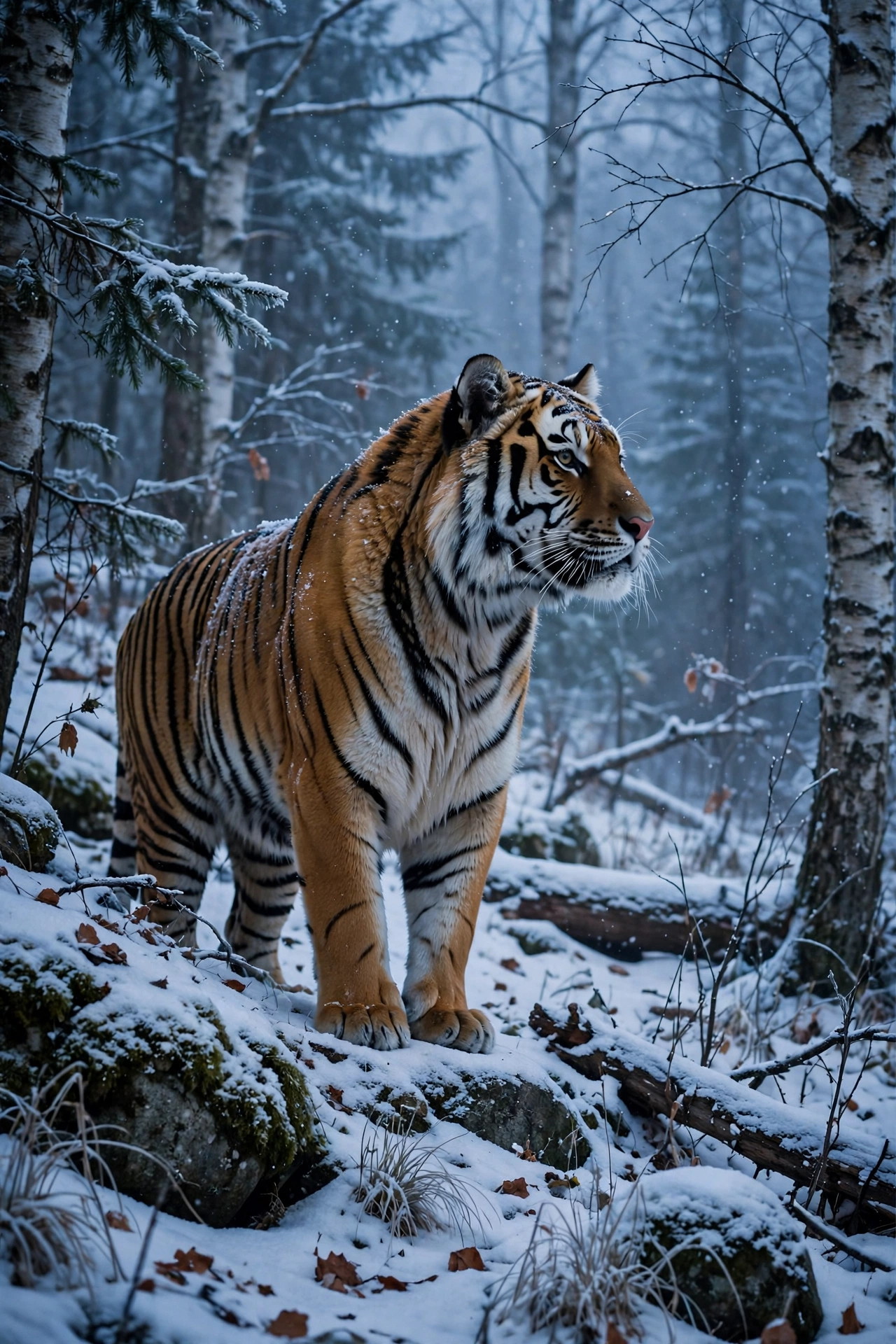
In 1997, a hunter in the forests of Siberia shot and wounded a tiger, which escaped into the trees. Most animals would have fled and never been seen again. This one did something else entirely: it followed the man’s scent back to his camp, destroyed his belongings, waited in the darkness, and ambushed him when he returned. The tiger killed the hunter who had wounded it. Wildlife experts who documented the case were struck by how deliberate the animal’s behaviour appeared — it was not a chance encounter, but a pursuit.
3. Bed Bugs Reproduce in a Way Straight Out of a Horror Movie

Bed bugs do not reproduce the way most insects do. The male pierces the female’s abdomen with a specialised organ and deposits sperm directly into her body cavity — a process biologists call traumatic insemination. The female has evolved a special organ to reduce the damage, but the process is exactly as unpleasant as it sounds. It is one more reason these tiny pests are so hard to love — and so hard to get rid of once they move in.
4. Some People Wake Up During CPR
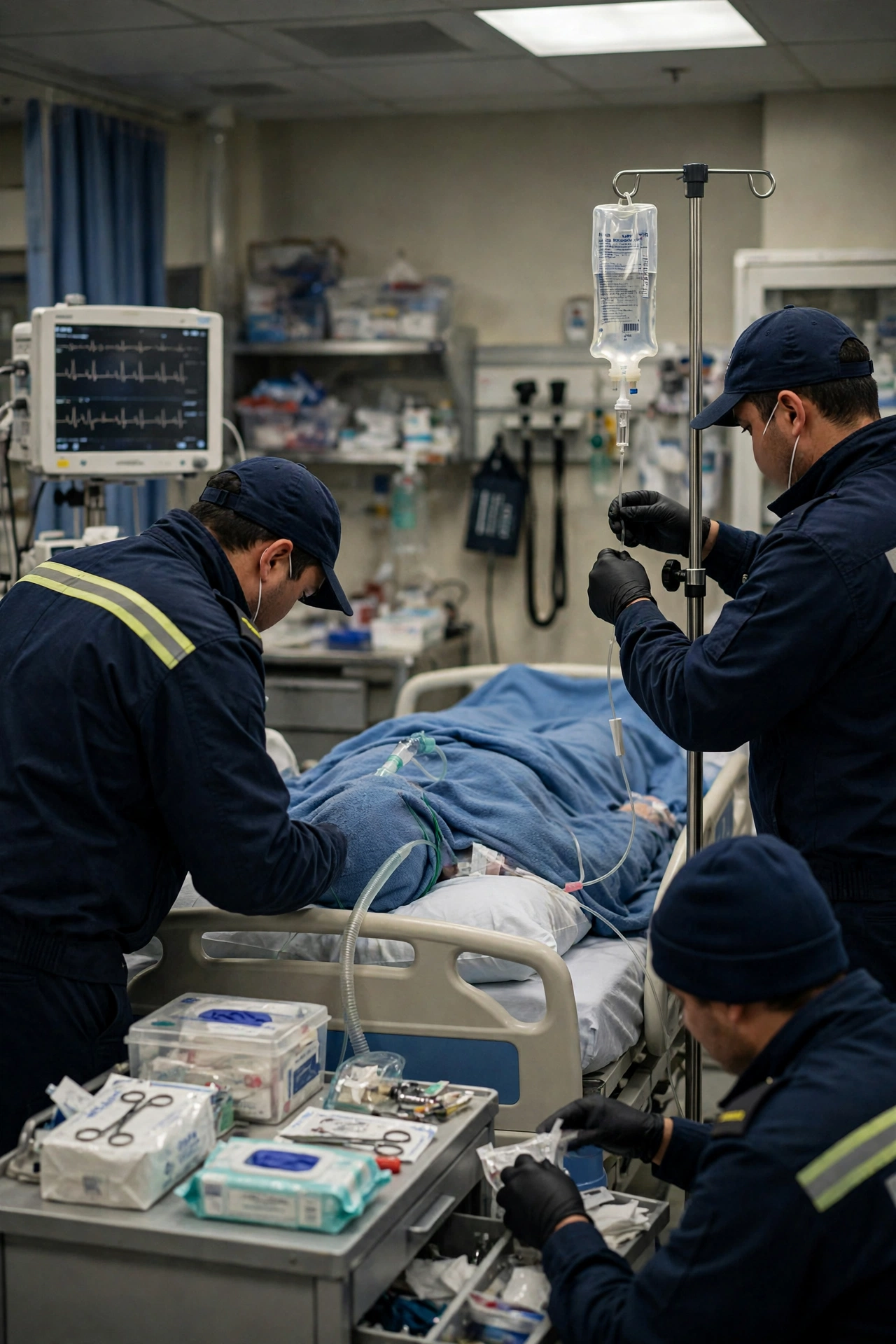
Cardiopulmonary resuscitation is meant for people who are unresponsive, but in rare cases the chest compressions push enough blood to the brain for a person to briefly regain consciousness. Doctors call it CPR-induced consciousness. Patients have been reported to move, push rescuers away, and even speak — yet still not survive the cardiac arrest that made resuscitation necessary. It is a rare and deeply unsettling phenomenon that emergency teams are trained to recognise and manage calmly.
5. Chainsaws Were Invented to Help With Childbirth

Long before anyone used a chainsaw to cut down a tree, a small hand-operated version of the tool was used in operating rooms. In the late 18th century, doctors developed a tiny chain saw to cut through pelvic bone during difficult births, a procedure called symphysiotomy. The tool was small, hand-cranked, and designed to work in tight spaces where a larger saw could not. The roaring petrol-powered chainsaw we know today came much later — but its ancestor was a surgical instrument.
6. Farmed Shrimp Often Lose an Eyestalk to Make Them Breed
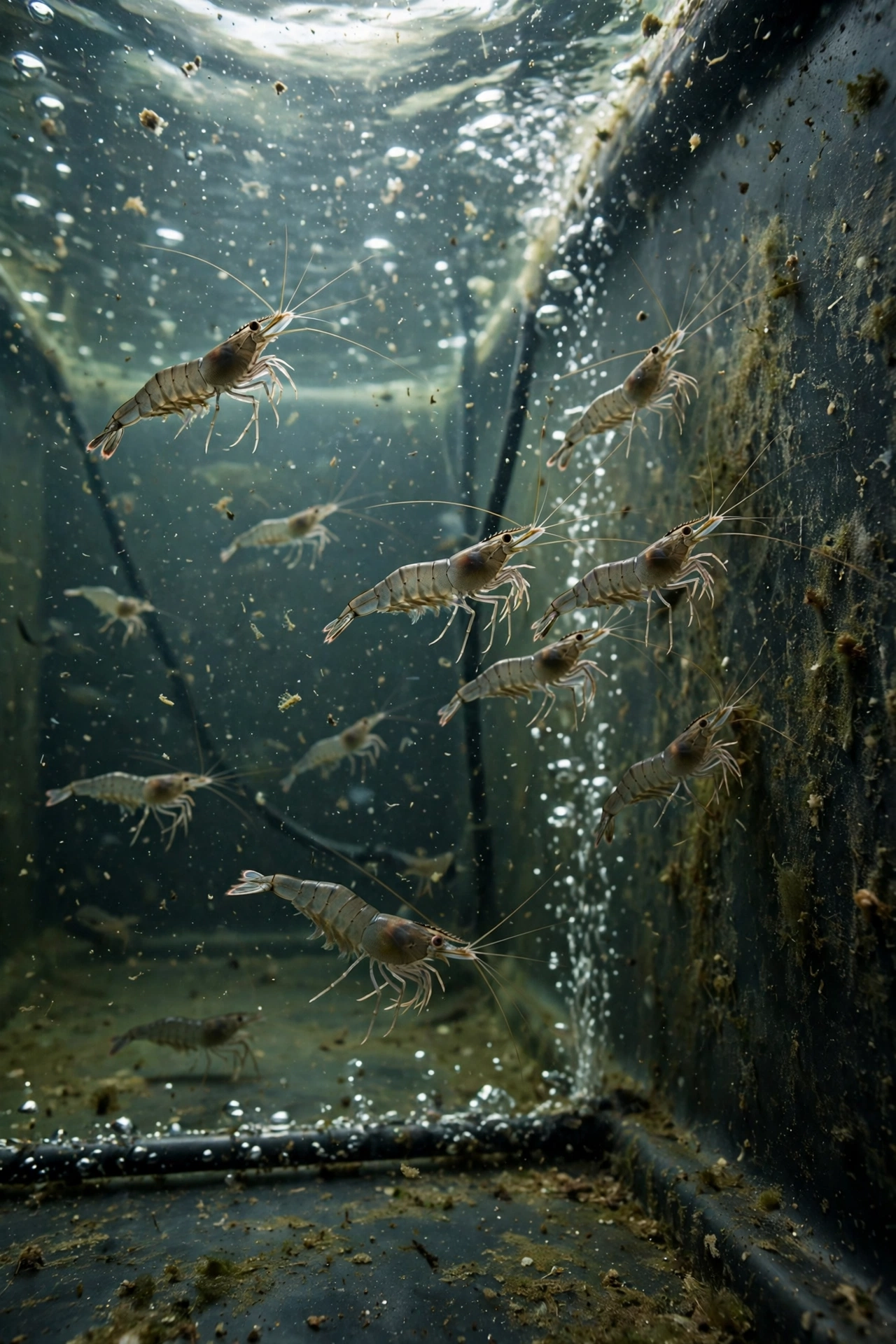
In shrimp farming, female shrimp routinely have one or both eyestalks removed. The eyestalk produces hormones that suppress reproduction, so removing it triggers the shrimp to develop mature ovaries and spawn sooner. The practice is widespread in the industry, even though research shows shrimp do feel pain. It is one of those facts about how food is produced that most people never hear — and that makes a simple plate of shrimp feel very different once you know it.
7. A Pet Fish Accidentally Bought Something With a Credit Card
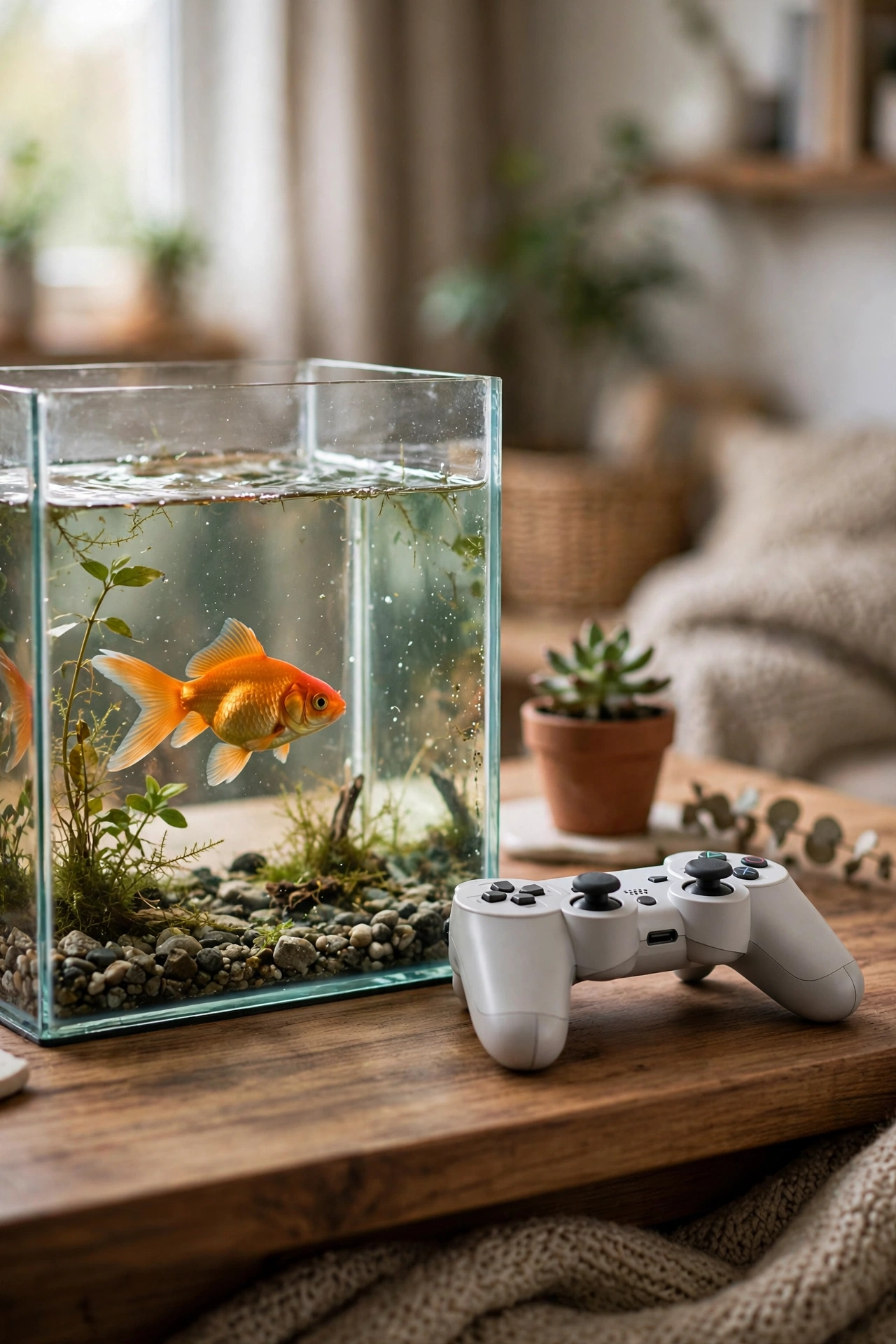
In 2023, a livestreamed pet fish in Japan became an accidental online shopper. The fish’s swimming was tracked by motion sensors and translated into controller inputs for a Nintendo Switch, so viewers could watch the fish “play” games. When the game crashed back to the console’s store screen, the fish’s movements kept entering commands — and completed a real purchase on its owner’s credit card. The owner only discovered the transaction afterwards. No fish was ever charged with fraud.
8. Crows Remember Faces — and Hold Grudges
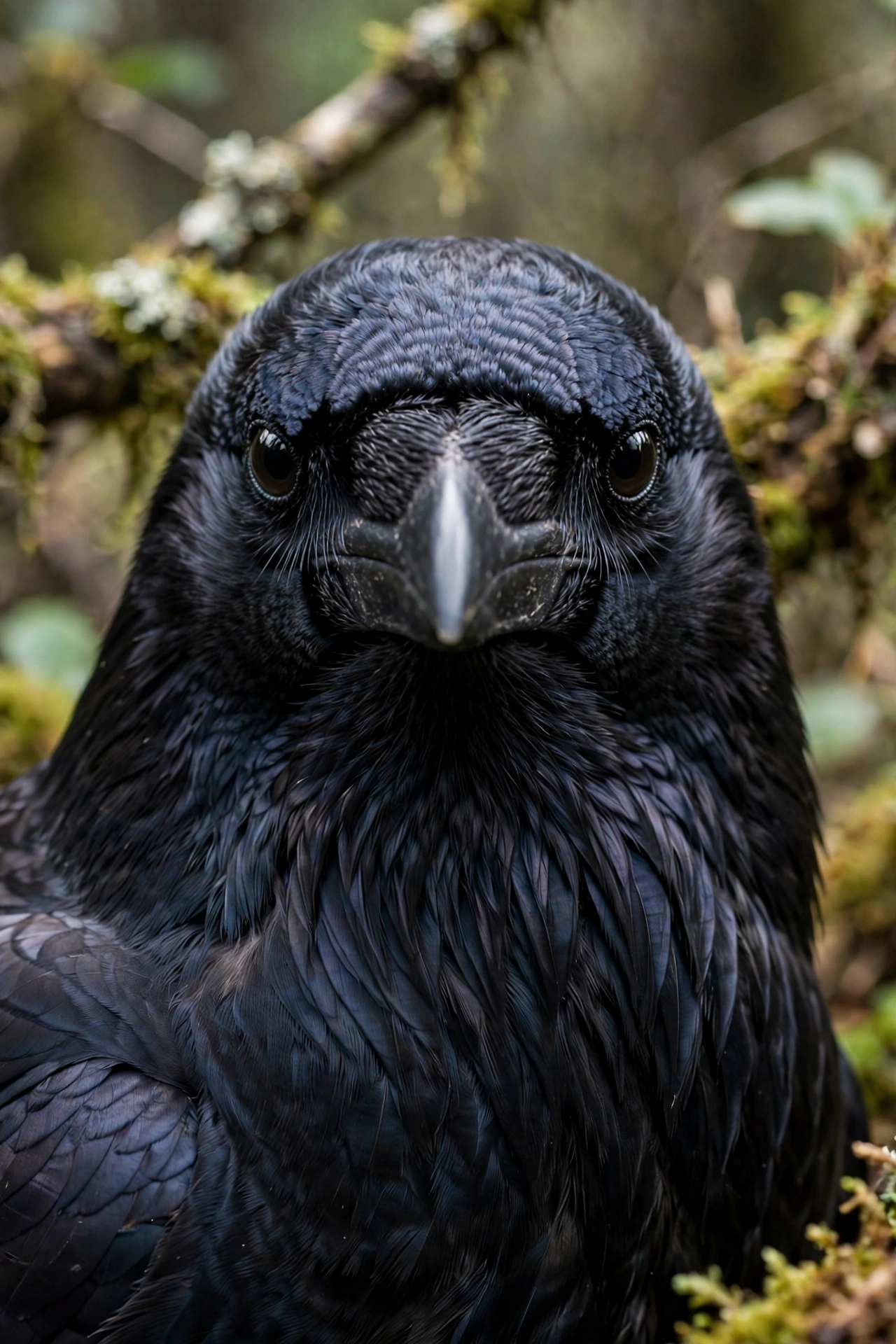
Crows can recognise individual human faces, and they do not forget a threat. Researchers have shown that crows remember people who have bothered them, scold those people loudly on sight, and even pass the warning on to other crows that never met the person. The grudge can last for years, and it can spread through a whole local crow population. So if you ever cross a crow, remember: it will remember you, and it will tell its friends.
9. The Tigress Who Killed 436 People
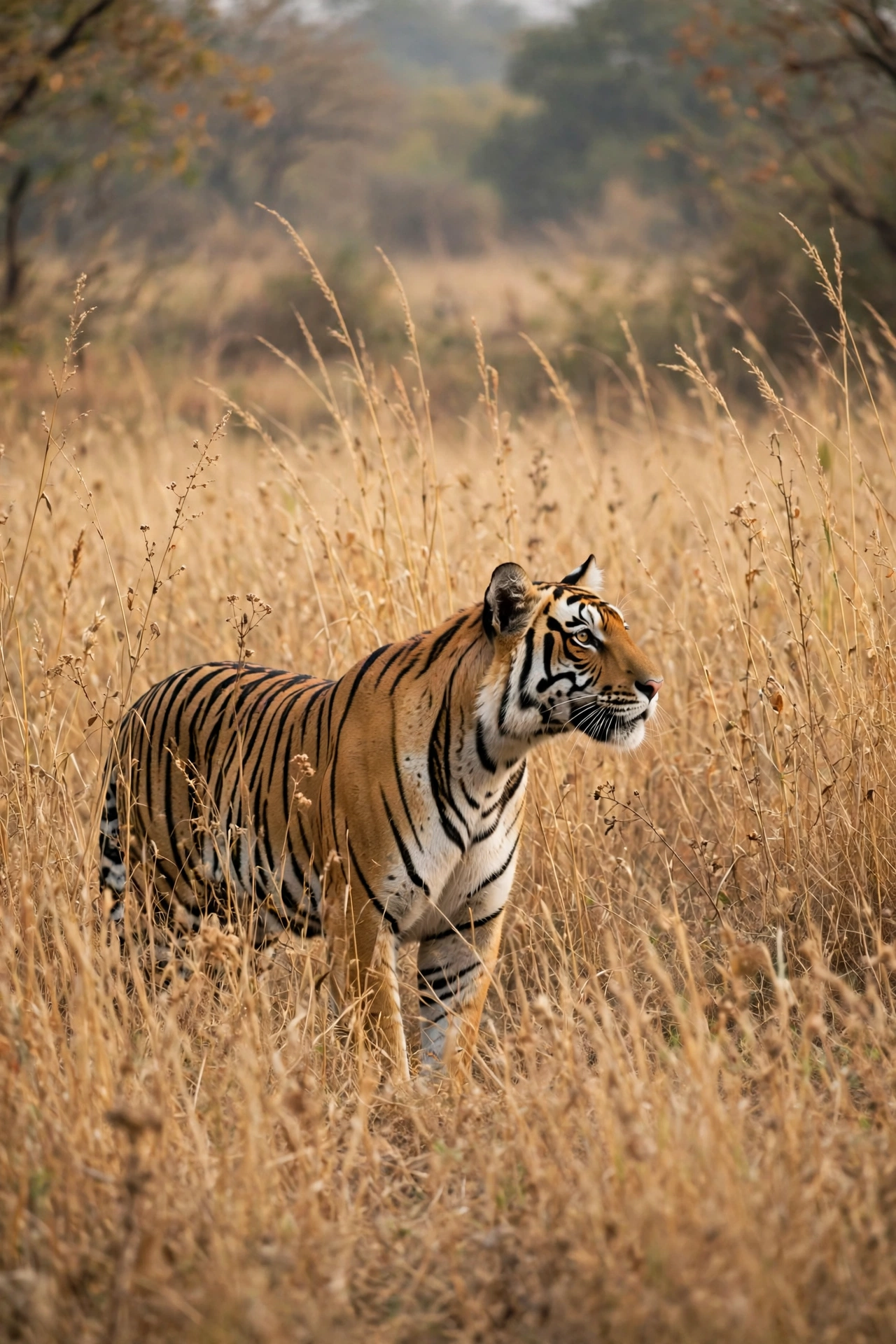
The Champawat tiger was a Bengal tigress in Nepal and India who became the deadliest single animal in recorded history. After a hunter’s bullet shattered her canine teeth, she could no longer hunt her normal prey, so she turned to humans — easier targets that could not fight back. Over several years she killed an estimated 436 people before the hunter Jim Corbett finally tracked her down and shot her in 1907. Her story is a grim reminder of what happens when an injured apex predator adapts to survive.
10. Your DNA Eventually Vanishes From Your Family Line
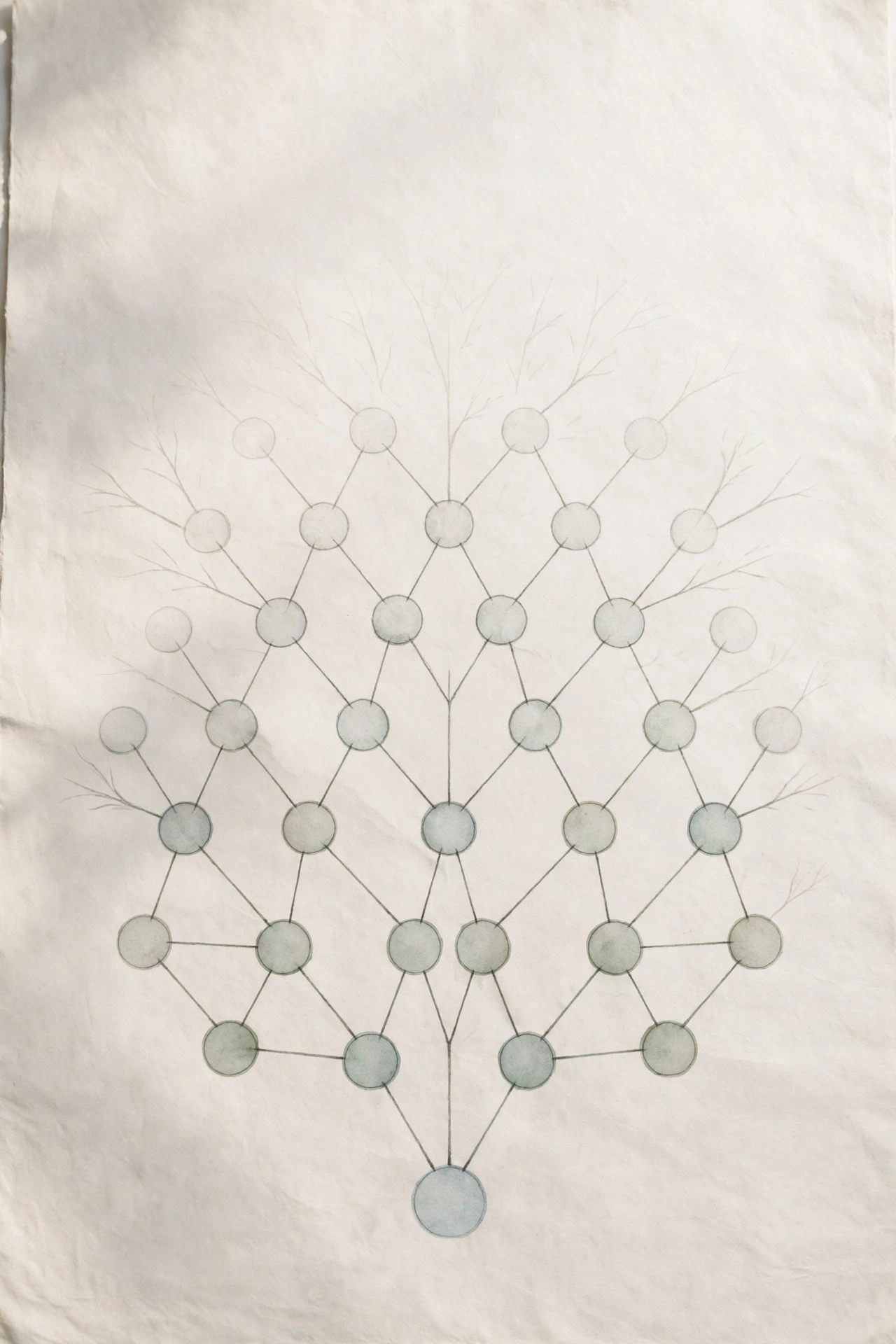
Go back far enough in your family tree and something strange happens: statistically, you share no DNA at all with a given descendant. Each generation passes on only half of each parent’s genes, and after enough generations the contribution of any single ancestor is diluted to nothing. Your name, your stories, and your family traditions can live on for centuries — but your actual genetic code eventually washes out of the line entirely. You are, genetically speaking, a temporary guest in your own family tree.
11. Freezing to Death Can Make People Take Their Clothes Off
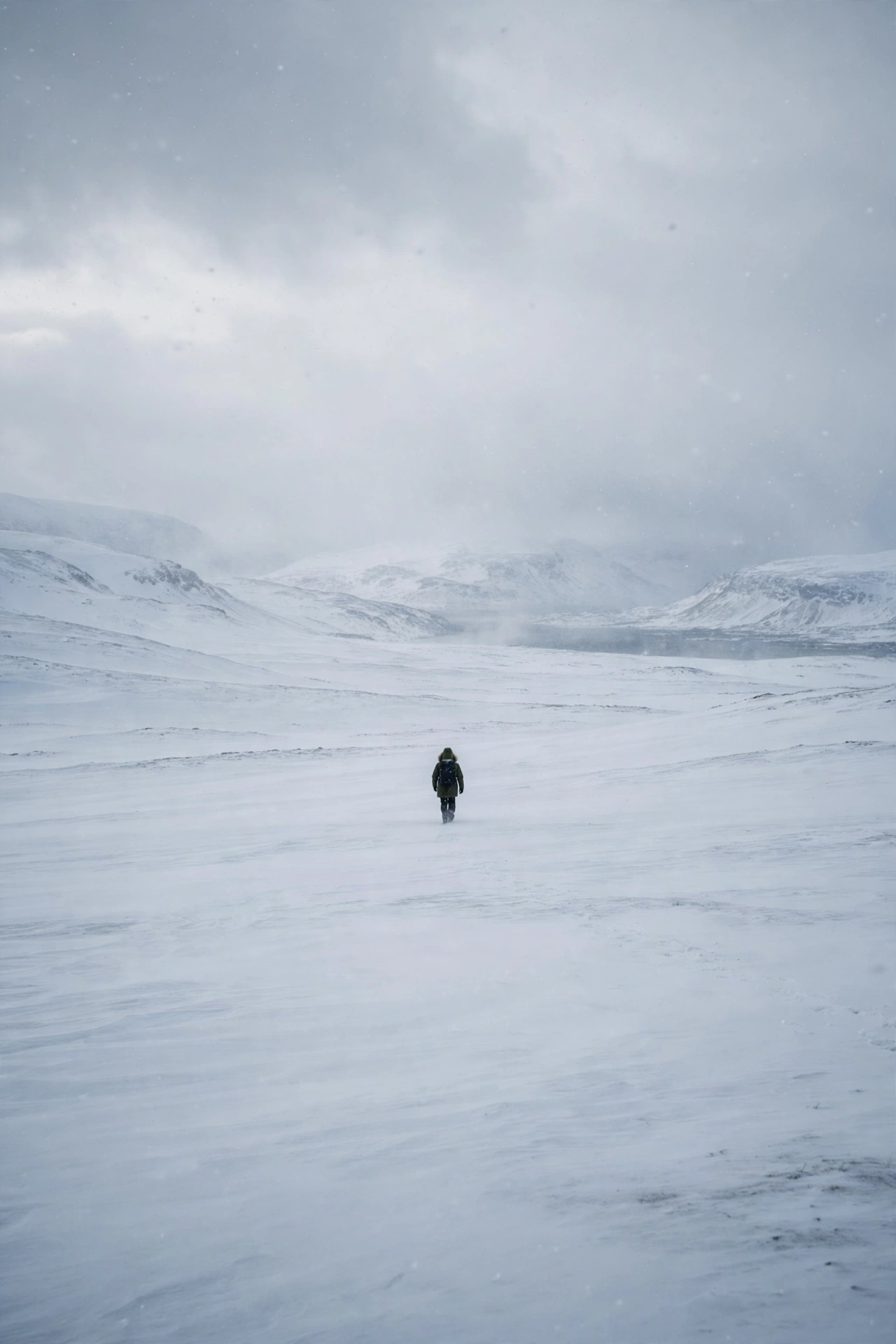
One of the strangest and saddest phenomena in hypothermia is called paradoxical undressing. As the body shuts down, the blood vessels that had been constricting to protect the core suddenly relax, flooding the skin with warm blood. The dying person feels an intense, burning heat and strips off their clothes, convinced they are overheating. It appears in an estimated 20 to 50 percent of fatal hypothermia cases, and rescue workers are trained to recognise it — a person found without clothes in the snow was not necessarily attacked; they may have been freezing to death.
12. The Egg That Became You Existed Before Your Mother Was Born

Here is a thought that bends the mind a little: the egg cell that eventually became you was already fully formed inside your mother while she was still a fetus growing inside your grandmother. Women are born with all the eggs they will ever have, which means half of your biological blueprint was already waiting, a generation early, before your mother took her first breath. You were, in a very real sense, present at your grandmother’s pregnancy — as a single cell, waiting for your turn.
13. The Fig You Eat Probably Contains a Dead Wasp
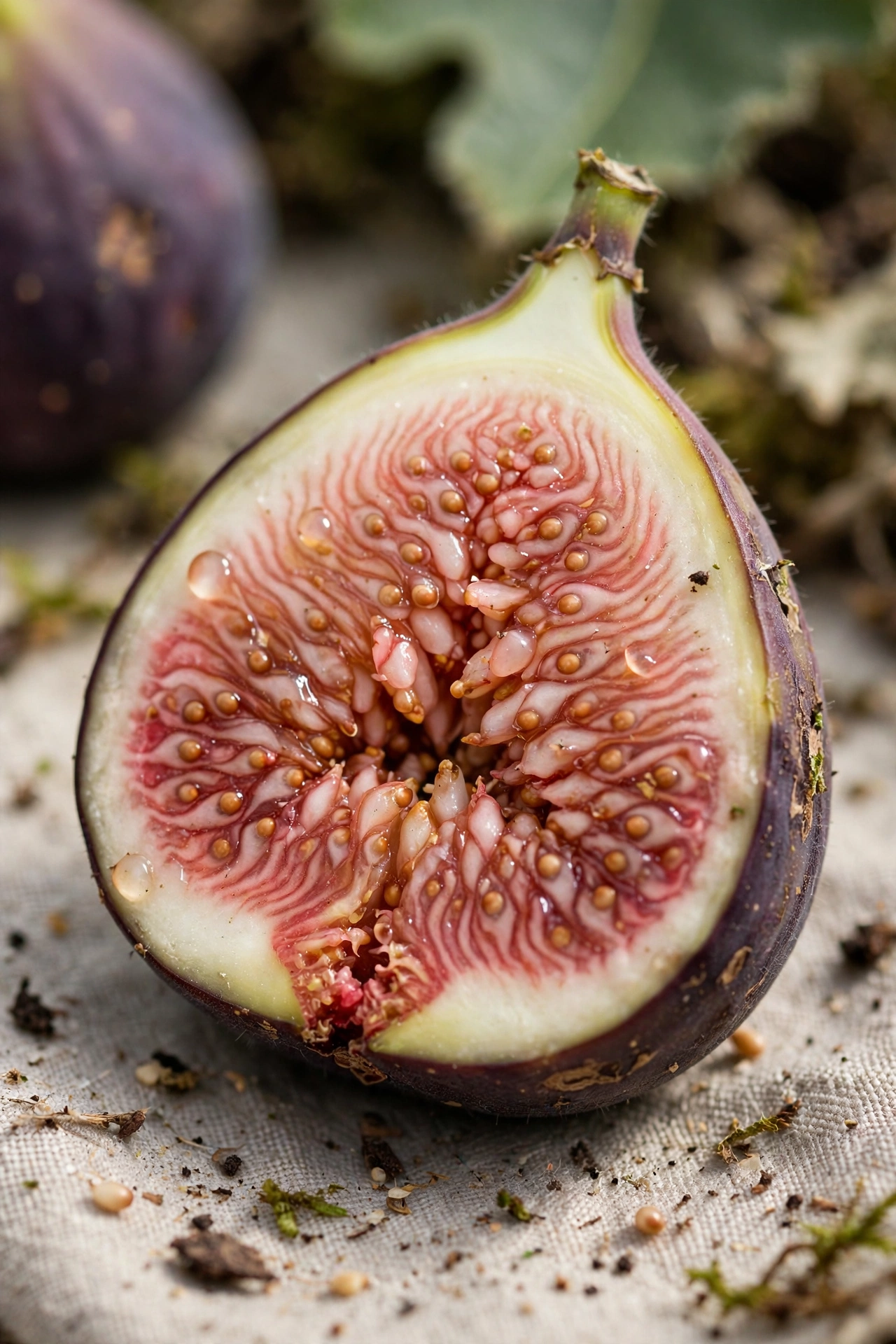
Many figs are pollinated by tiny fig wasps that crawl inside the fruit through a narrow opening, often losing their wings and antennae in the squeeze. Once inside, they pollinate the flowers, lay their eggs, and usually die there. The fig then produces an enzyme called ficin that breaks the wasp’s body down completely. So if you have ever eaten a fig, you have almost certainly eaten a wasp too — dissolved beyond recognition, but there all the same.
14. Your Brain Can Invent Memories That Feel Completely Real
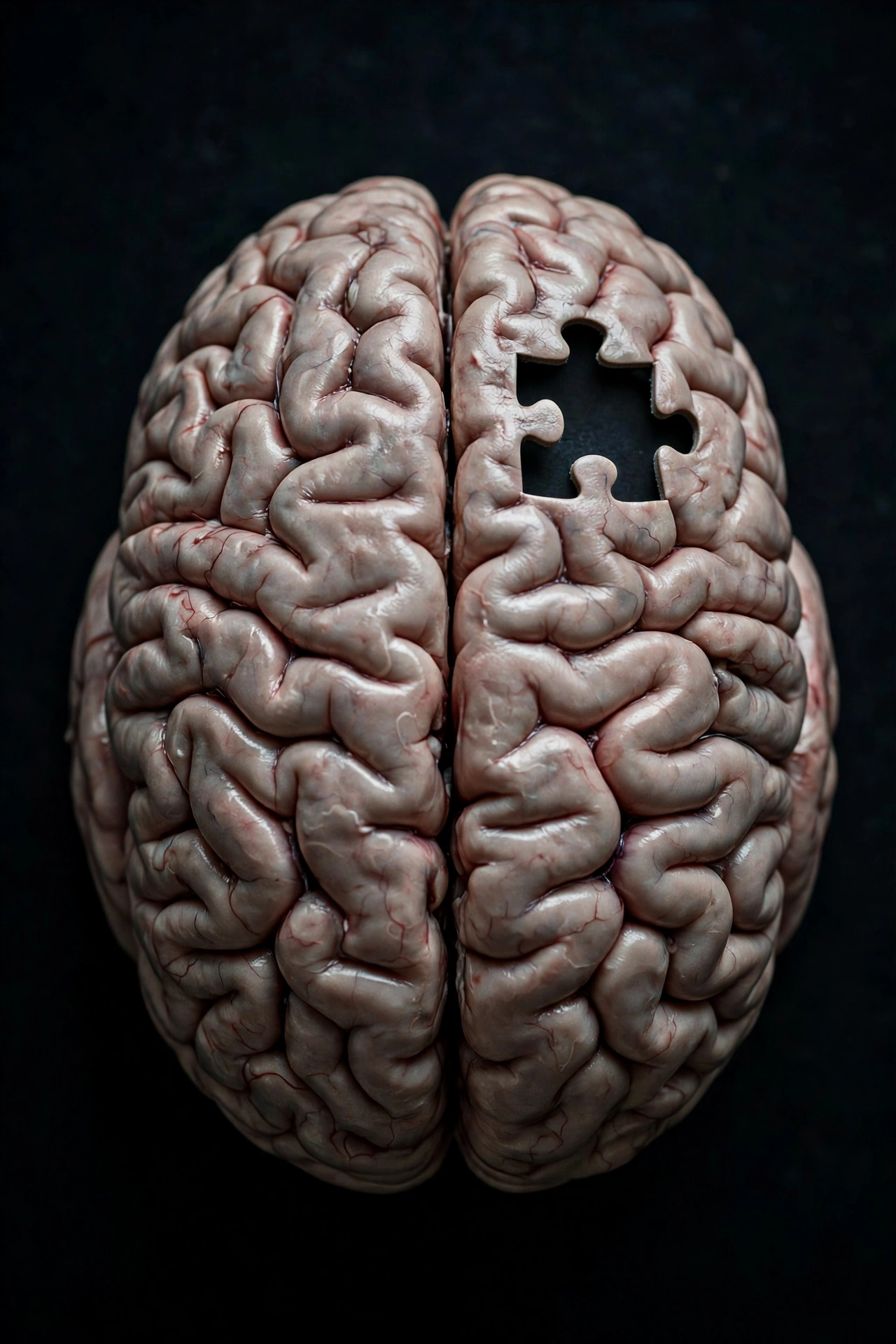
Your memory does not work like a video recording. Every time you recall something, your brain rebuilds the memory from fragments — and it can fill in gaps with details that never happened. False memories can feel completely real: people argue with total confidence about events that never took place, remember conversations word for word that never occurred, and even “remember” being somewhere they have never been. The unsettling part is that there is no reliable way to tell a false memory from a real one just by how it feels.
15. Australia Lost a War Against Emus
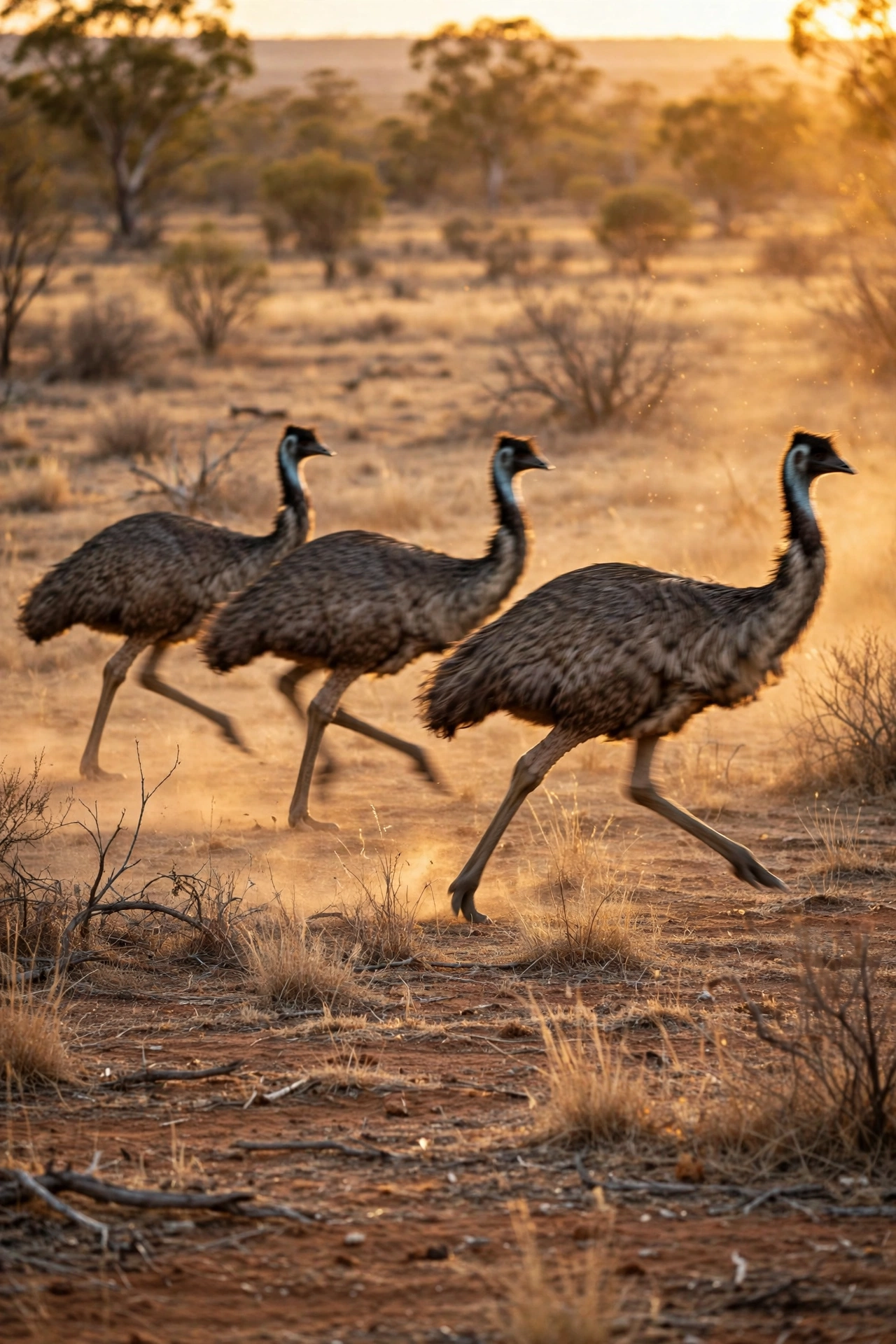
In 1932, the Australian government sent soldiers armed with machine guns to deal with emus damaging wheat crops in Western Australia. The military operation ran from 2 November to 10 December — and the emus effectively won. The birds scattered the moment shooting started, outran the military vehicles, and absorbed bullets without falling in the numbers expected. The soldiers withdrew, and the emus kept eating the wheat. It remains one of history’s most absurd military defeats: an army, beaten by flightless birds.
16. Most of Planet Earth Would Kill You
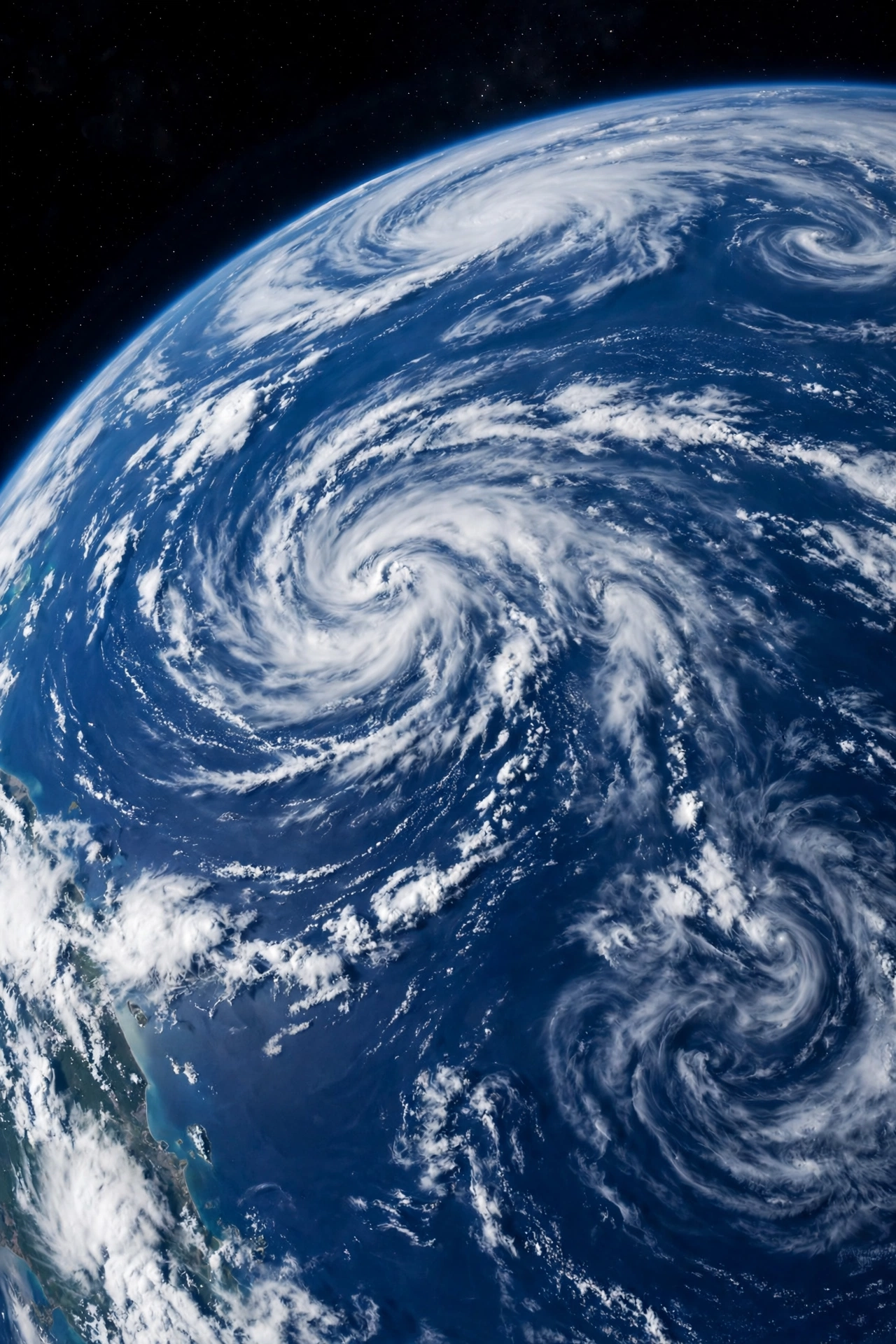
Earth is the only known habitable planet, yet most of it is actively hostile to human life. The air is too thin at high altitude, the heat and pressure underground are crushing, and around 70 percent of the surface is ocean we cannot drink, full of predators and enormous waves. We survive on a thin, forgiving strip of land and mild climate — a tiny fraction of the planet’s surface. The rest of Earth is not our home; it is a place that would kill us in minutes without technology to protect us.
17. Your Teeth Are Organs, Not Bones
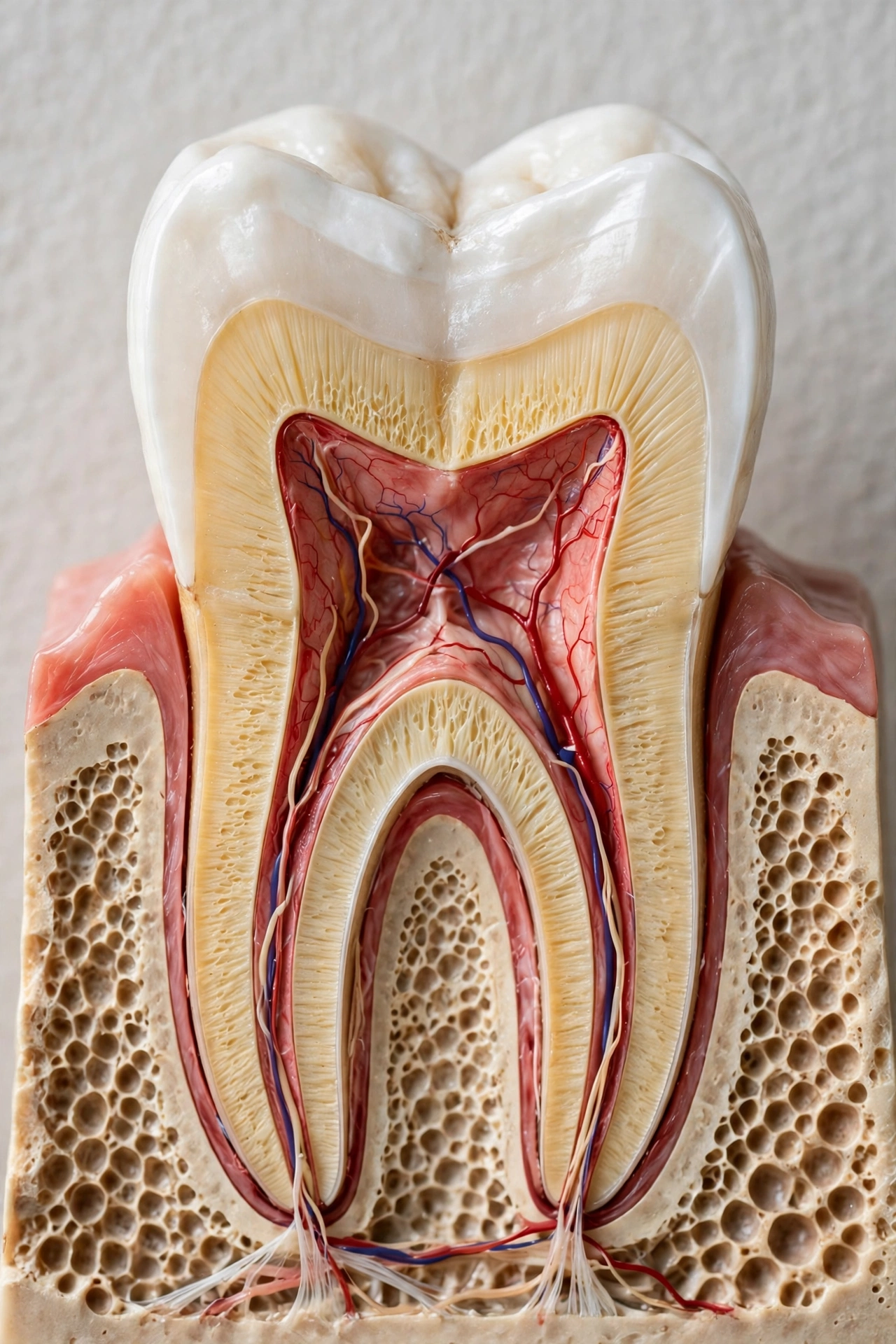
Teeth look like bones, but they are not. A tooth is made of several different tissue types — enamel, dentin, and pulp — combined into a single unit built for a specific job, which fits the scientific definition of an organ. Unlike bones, teeth produce no marrow and no blood cells, and they cannot heal themselves the way a broken bone can. Once enamel is gone, it is gone for good. Your teeth are, in the truest sense, organs you can see every time you smile.
18. A Fatal Brain Disease Is Spreading Through America’s Deer

Chronic wasting disease is an incurable prion disease spreading through deer across the United States. Misfolded proteins in the nervous system cause wasting, erratic behaviour, and inevitable death — and the misfolded proteins convert healthy proteins into misfolded ones, so the disease keeps spreading through herds. There is no cure and no vaccine, and the prions can persist in soil for years. It is a slow-moving wildlife crisis that researchers are watching with real concern.
19. Earth’s Magnetic Field Flips Every Few Hundred Thousand Years

Roughly every 250,000 years, Earth’s magnetic field reverses — north becomes south and south becomes north. The process takes somewhere between 100 and 1,000 years, during which the field weakens and the poles wander. Compasses and navigation systems would falter, and animals that navigate by magnetism, from birds to sea turtles, would be thrown off course. The last full reversal happened about 780,000 years ago, which means, geologically speaking, we are overdue for another one.
20. Murder and Bank Robbery Are Solved at Roughly the Same Rate
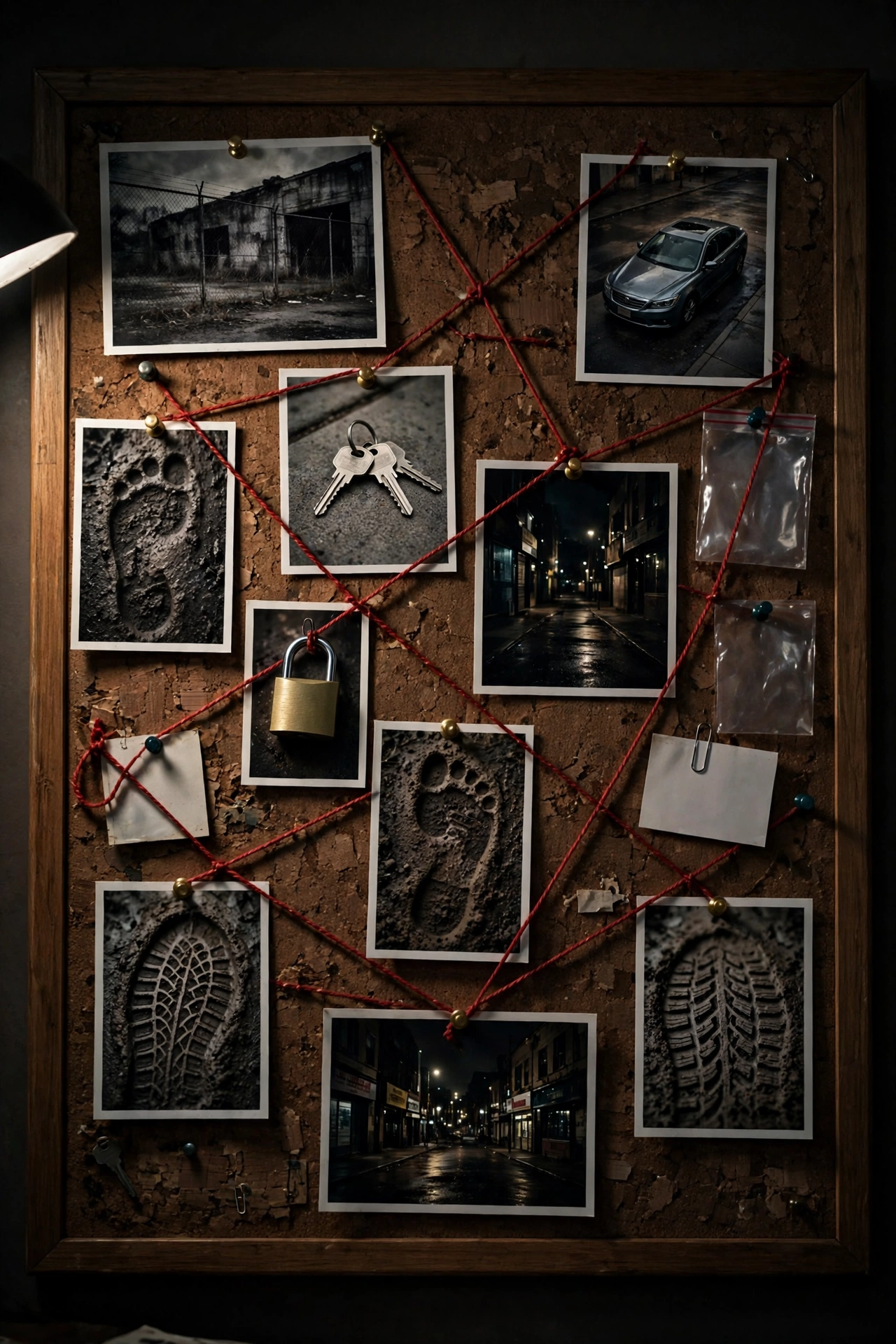
Television dramas would have you believe that elite teams crack nearly every case. The reality is very different: murder and bank robbery both have clearance rates of roughly half — about 50 percent of reported cases are ever considered solved. The other half remain open, unsolved, or simply fade away. It is a sobering gap between the stories we watch and the numbers that police departments actually report.
21. An Elephant in India Was Nicknamed After a Fugitive
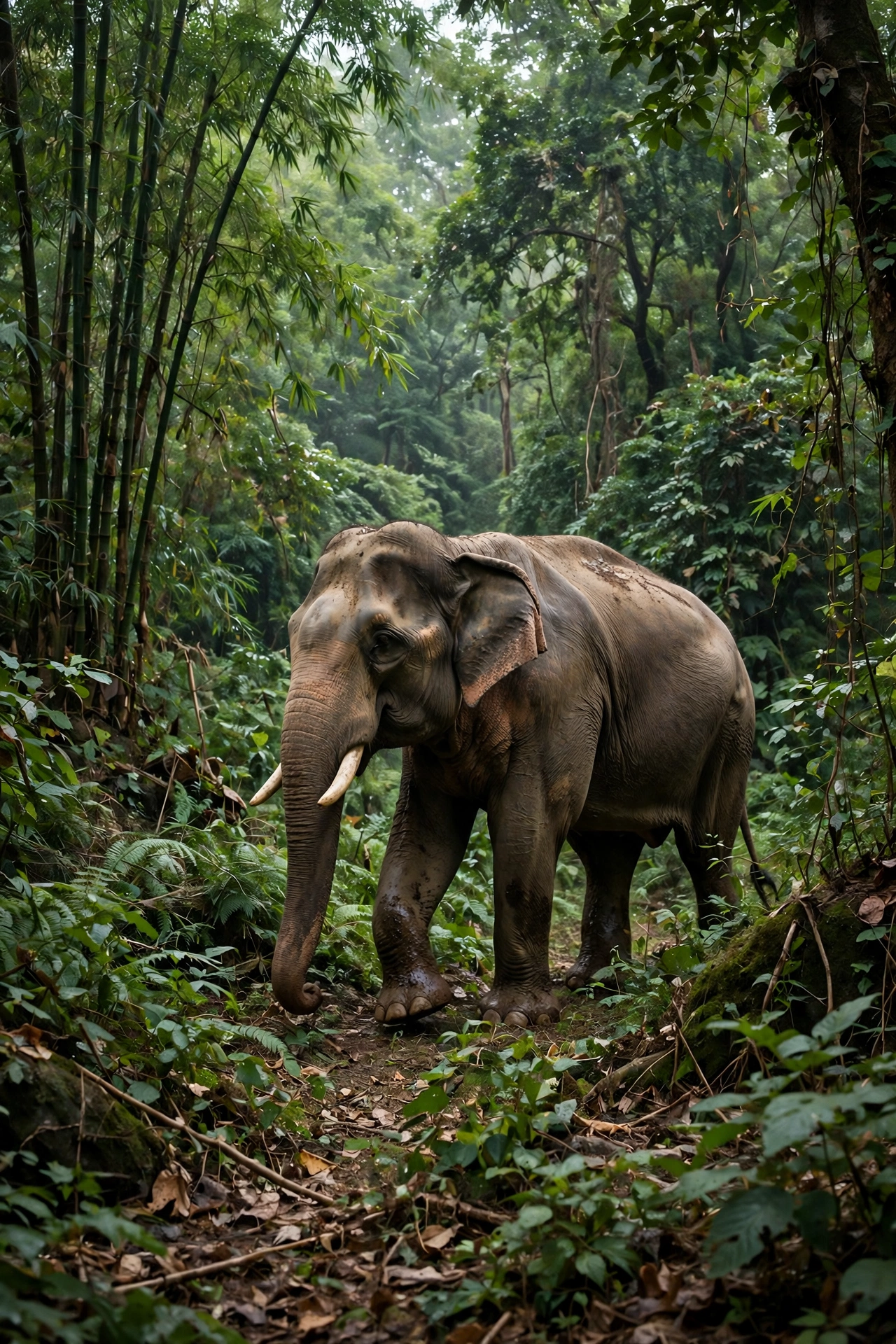
In Assam, India, a rogue elephant blamed for 27 human deaths became so elusive that local people gave it the nickname of a famous fugitive — a name that reflected how hard it was to find, not anything about the animal itself. Forest officials struggled for years to track it down, and when an elephant was eventually killed, it was not even certain it was the same animal: other elephants in the area had killed a dozen more people. The story is less about one elephant than about how dangerous the overlap between human settlements and wild elephant territory can become.
22. A Blow to the Chest Can Stop a Heart in a Split Second

There is a tiny window in the heart’s rhythm — about 3 percent of each heartbeat — when a sharp blow to the chest can throw the heart into a lethal rhythm. Doctors call it commotio cordis. A baseball, a hockey puck, or even a firm punch landing in exactly that moment can cause the heart to fibrillate and stop within minutes. It is rare, but it is why chest protectors matter in youth sports — and why a seemingly ordinary impact can, in the worst possible timing, turn fatal.
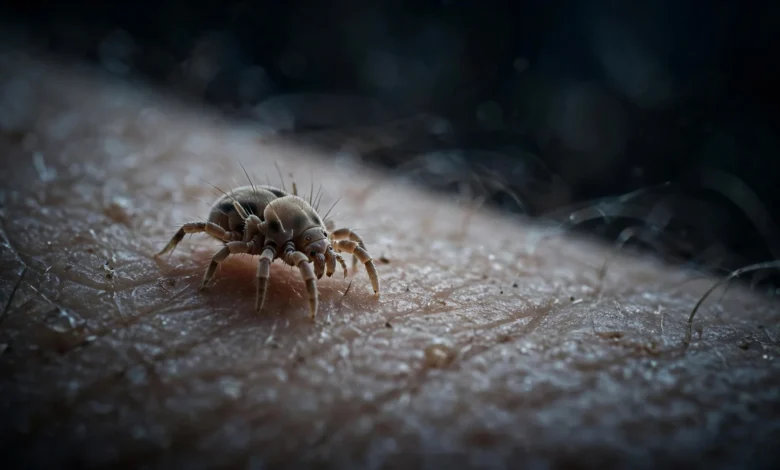
23. Tiny Mites Are Living on Your Face Right Now
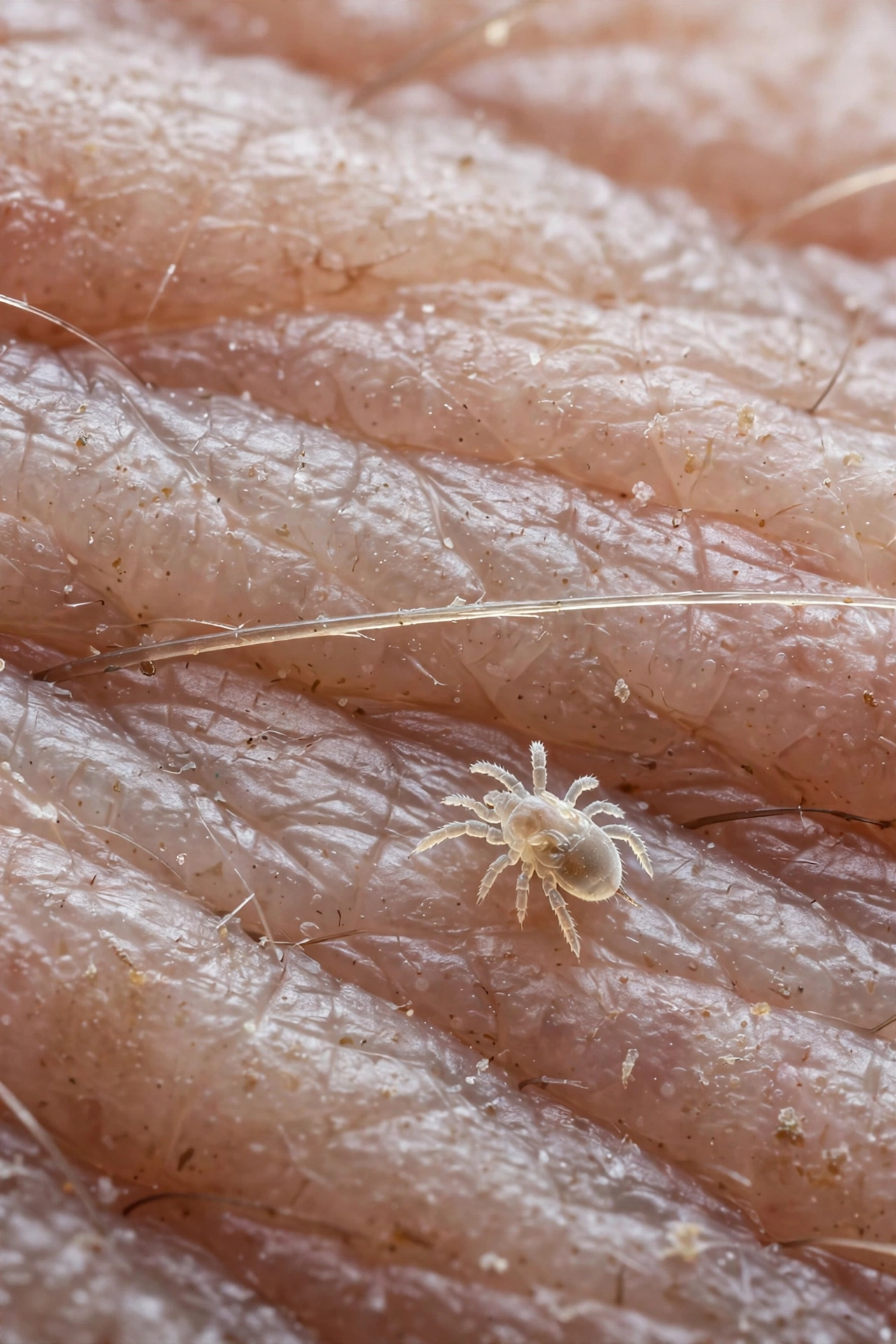
Right now, microscopic mites called Demodex are living in the hair follicles and oil glands of your face. They feed on skin oils, leave waste behind, and are, for most people, completely harmless. They are also always present — a normal part of human skin from adulthood onward. You cannot feel them, you cannot see them, and there is nothing you need to do about them. But they are there, right now, on your face, as you read this.
24. Steel Made Before 1945 Is Free of Nuclear Contamination

Steel made before the first nuclear explosion on 16 July 1945 is free of the trace radioactive contamination that now exists in the atmosphere. Every nuclear test since then has left a faint signature in the air, and modern steel absorbs it during production. Pre-atomic steel, mostly salvaged from old shipwrecks, is therefore prized for Geiger counters and sensitive medical and research equipment, where even the tiniest background radiation would distort the readings. Old sunken ships are, quite literally, a scientific resource.
25. Your Immune System Doesn’t Know Your Eyes Exist

Your eyes enjoy something scientists call “immune privilege.” Special barriers keep the immune system from patrolling the eyes, so it never attacks the delicate tissues that make vision possible. It is an elegant solution to a real problem: the eye is too fragile to survive the collateral damage of an immune response. The trade-off is that when the eye is injured, the immune system can react in unusual ways — because, in a sense, it is meeting the eye for the first time.
26. Microplastics Are Building Up Inside Your Organs
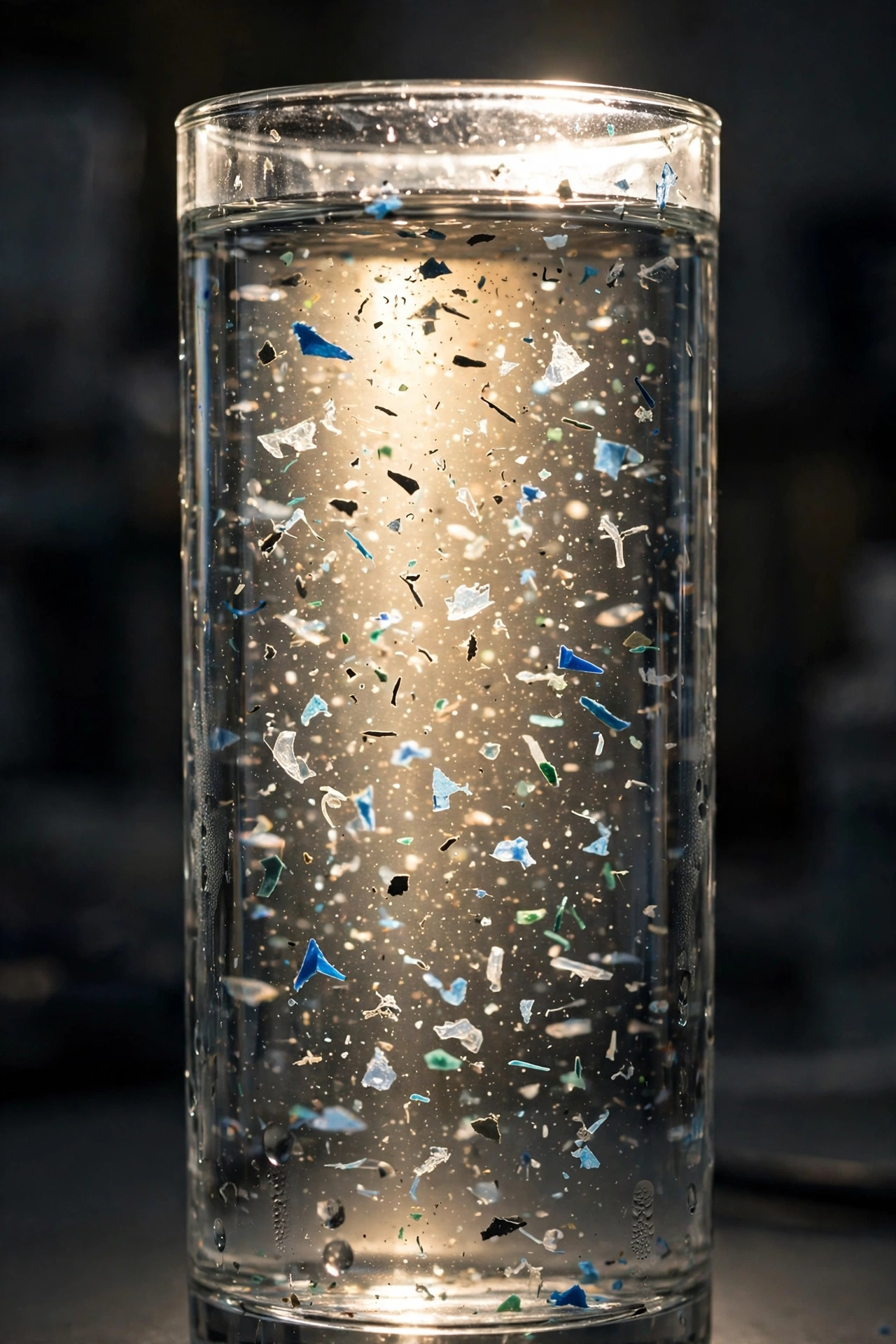
Microplastics and nanoparticles are accumulating in human organs, including the brain. The smallest particles are tiny enough to cross the blood-brain barrier, the body’s most protected boundary — and scientists are still working out what the long-term health effects might be. The honest answer right now is that nobody fully knows. What is known is that the plastic is there, in all of us, and the amount is growing year by year.
27. In Severe Vitamin C Deficiency, Old Scars Can Reopen

Vitamin C is essential for building and repairing collagen, the protein that holds skin and tissue together. In severe vitamin C deficiency — scurvy, the disease that once haunted long sea voyages — the body cannot maintain collagen at all, and old healed scars can break open again. This is a scurvy effect, seen in people with a serious deficiency, not something that happens to healthy people who skip an orange for a day. But it is a striking reminder of how much the body depends on a single vitamin to hold itself together.
28. Every Animal Lives in Its Own Sensory World
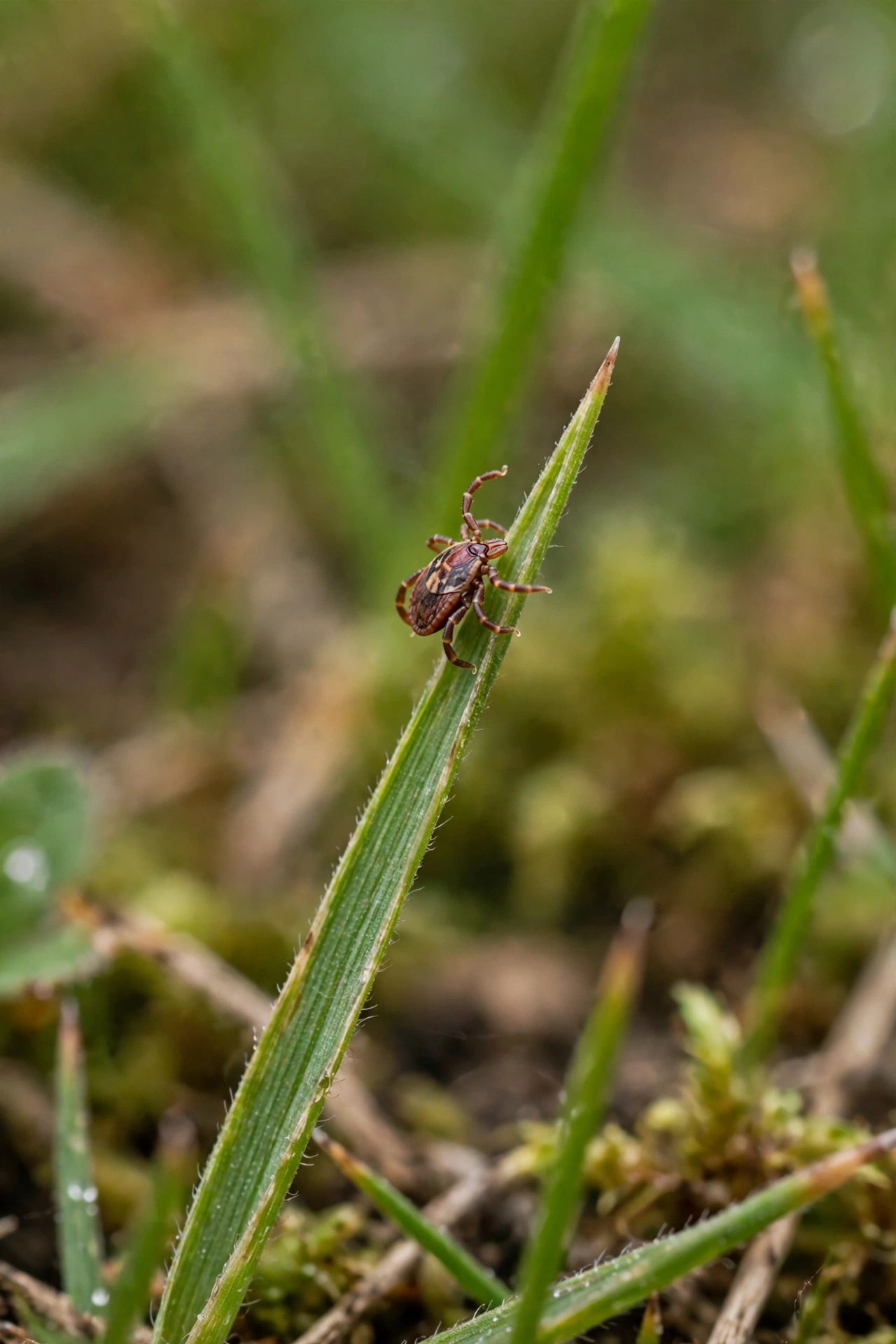
In the early 20th century, biologist Jakob von Uexküll coined the term “Umwelt” — the idea that every species experiences a different subjective world through its own senses. A tick lives by the warmth and sweat of mammals passing by. Dogs and cats live largely by smell, in a world of scents we cannot even detect. Some animals sense Earth’s magnetic fields. The world you experience is only one version of reality; every animal around you is living in a different one, right alongside you, and you will never know what theirs feels like.
29. The Water You Drink Has Been Drunk Countless Times Before

Almost all the water you have ever drunk has already passed through countless other living things. Water is endlessly recycled through organisms and the environment: evaporated from oceans, rained down on land, drunk, excreted, and evaporated again. The glass in front of you contains water molecules that have been inside dinosaurs, inside ancient trees, and inside people who lived thousands of years ago. There is no new water — only the same water, endlessly reused.
30. Prion Diseases Turn the Brain Into a Sponge
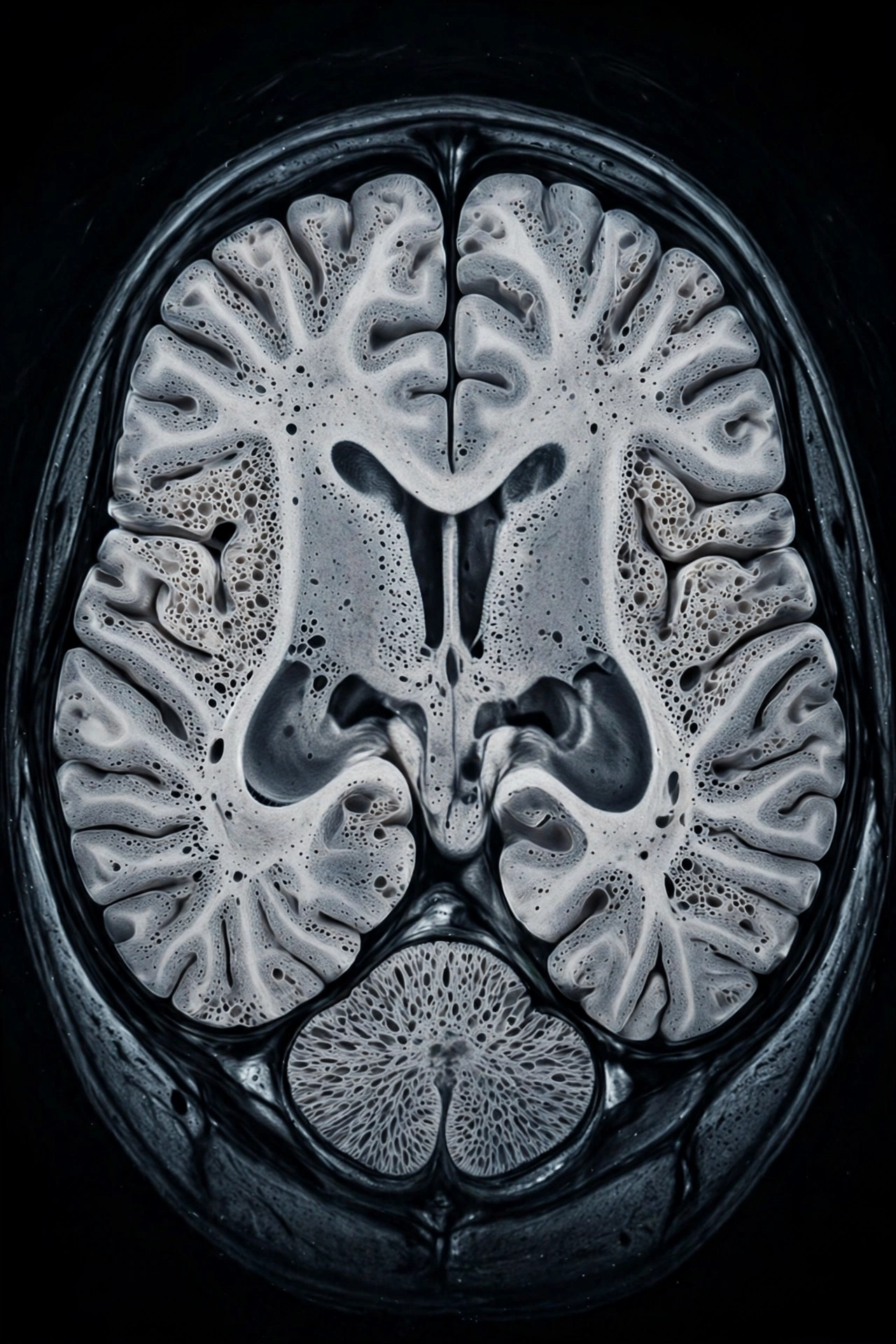
Prion diseases like fatal familial insomnia and Creutzfeldt-Jakob disease turn brain tissue spongy, full of tiny holes. Prions are not alive like bacteria or viruses — they are just misfolded proteins — which means heat, boiling, radiation, and standard sterilisation cannot kill them. The misfolded protein converts healthy proteins into misfolded ones, and the damage spreads until the brain can no longer function. It is one of the most frightening facts in medicine: an infectious agent that is not alive, cannot be killed, and has no cure.
31. Humans Have Existed for Just 0.007% of Earth’s History
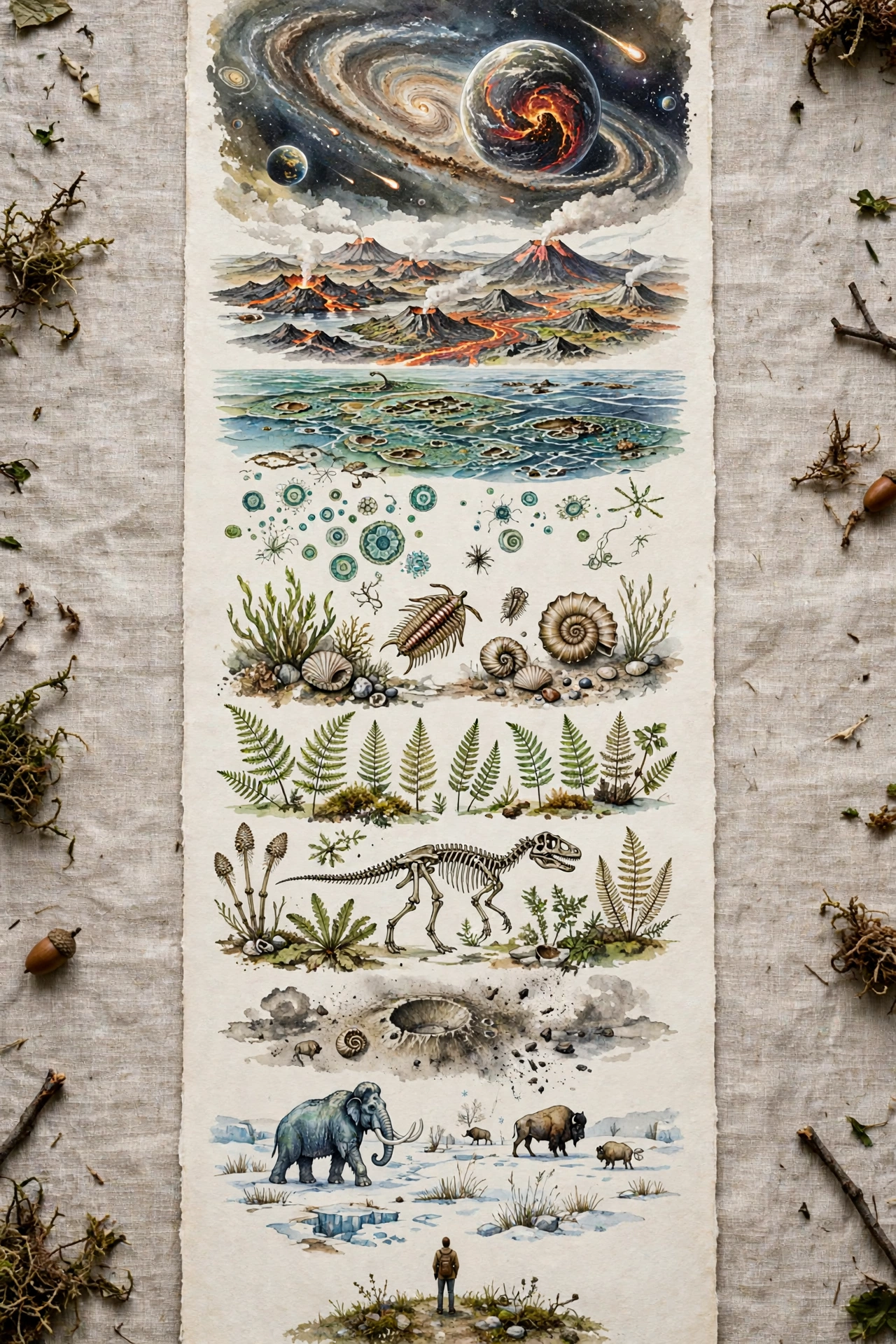
Modern humans have existed for only about 0.007 percent of Earth’s entire history — a blink against the planet’s 4.5-billion-year timeline. If Earth’s history were a single day, humans would appear in the last few seconds before midnight. Dinosaurs ruled for far longer than we have existed, and the planet was already ancient before the first human walked on it. Everything we call history — every empire, every invention, every war — fits inside a sliver of time so small it barely registers.
32. About One in Five Men Die Before Age 65

According to the US Social Security Administration’s actuarial life tables, roughly 21.6 percent of men and 13 percent of women die before the age of 65. It is a statistic that sounds wrong at first — most of us expect to live well past retirement. But the numbers are what they are: about one in five men never reach 65 at all. It is a fact that makes the time we do have feel a little more precious, and a little less guaranteed.
Which of these facts unsettled you the most? For us, it is the quiet ones — the mites on your face, the water you have already drunk a thousand times, the memories your brain may have invented. The world is stranger than fiction, and the scariest part is that none of it is fiction at all.
If you enjoy lists that make you see everyday life differently, you might also like our 27 things people brag about that are actually big red flags, our 21 societal shifts no one really talks about, and our 88 frugal shopping tips — three more lists from our curiosities collection that are just as surprising as this one.