Why Tretinoin Is Considered the “Gold Standard” for Acne—and the Results To Expect

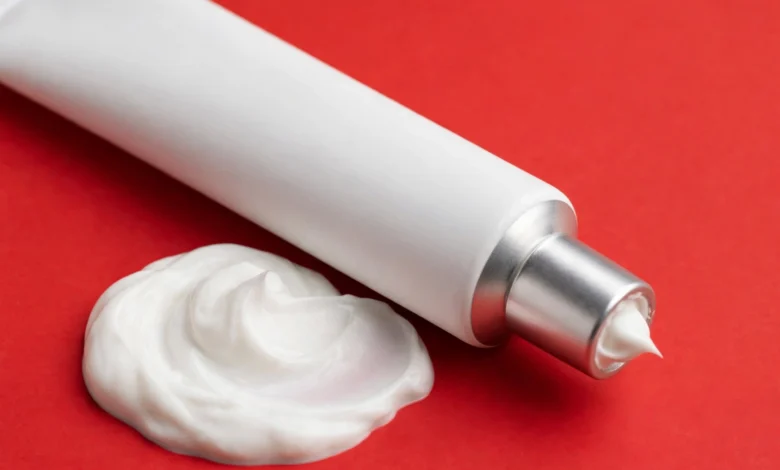
Perhaps you have heard of tretinoin as an anti-aging ingredient. As the far more powerful evolution of retinol, its wrinkle-diminishing reputation has grown a lot — and it is also starting to earn a name among acne treatments. But there is one very significant catch: tretinoin is a prescription-only skincare ingredient, and jumping through hoops to get a prescription is no small task. So the results had better be worth the effort. Kaitlyn McLintock checked in with three board-certified dermatologists — Dr. David Lortscher, Dr. Estee Williams, and Dr. Anna Karp — for the full picture on tretinoin and whether it lives up to its reputation for treating and preventing chronic acne. I have not used tretinoin myself, and nothing here is my own experience; I am reporting what McLintock and the three dermatologists said.
In this article: what tretinoin is; its benefits; how it helps with acne; which types of acne respond to it; how to use it; its potential side effects; how it compares with retinol; and the final takeaway — plus two frequently asked questions.
Key takeaways: tretinoin, a prescription-strength retinoid, is widely considered the gold standard for treating acne and wrinkles; it is crucial to apply it at night, starting with a low concentration and increasing how often you use it as your skin tolerates it; and side effects like dryness can be kept down by layering a moisturizer with tretinoin.
Meet the experts: Dr. David Lortscher is a board-certified dermatologist and the founder and CEO of Curology; Dr. Estee Williams is a board-certified cosmetic and medical dermatologist based in New York City; and Dr. Anna Karp is a board-certified cosmetic, medical, and surgical dermatologist at the Skin Institute of New York. Everything that follows comes from them, as reported by McLintock. The article was medically reviewed by Dr. Lucy Chen, a board-certified dermatologist, and fact checked by Aimee Simeon.
What Is Tretinoin?
Tretinoin — the generic ingredient in the brand-name product Retin-A — is a topical, prescription-strength retinoid that dermatologists prescribe to treat acne. As Dr. Lortscher explains, “Tretinoin is one of the most powerful and widely researched vitamin A derivatives (retinoids),” and “tretinoin is considered the benchmark ingredient among dermatologists for treating acne, wrinkles, fine lines, and uneven skin tone.”
A retinoid, Dr. Williams explains, is just an umbrella term for many forms of vitamin A — tretinoin and retinol are two examples, alongside others such as retinaldehyde and tazarotene. They differ from one another in their chemical and molecular structure and in the receptors they bind to inside the cell, so their effects — and their side effects — are slightly different.
Tretinoin is most commonly prescribed for acne, but like other retinoids, it brings a whole set of other skin benefits too. Behind sunscreen, it is the most effective anti-aging ingredient on the market, proven to treat signs of aging such as fine lines, wrinkles, unwanted texture, hyperpigmentation, and sun damage.
Tretinoin at a glance: it is a retinoid. Its main benefits are treating acne, minimizing and preventing fine lines and wrinkles, and evening out skin tone. In general, anyone with acne-prone skin or aging concerns can use it, but it is not recommended for pregnant people or those with rosacea. You can use it up to once a day, depending on skin sensitivity, applied at night. It works well with moisturizers. Do not use it with other exfoliators such as benzoyl peroxide, glycolic acid, and astringents, which may cause dryness and irritation.
The Benefits
It exfoliates skin. “Tretinoin increases cellular turnover and chemically exfoliates the top layers of our skin,” dermatologist Anna Karp explains. That means brighter, more even-textured skin without having to use harsh physical exfoliators like scrubs and brushes.
It creates a more even skin tone. Dealing with dark spots from old breakouts or suntanning sessions? Thanks to its speedy exfoliating powers, tretinoin helps fade skin discoloration quickly.
It calms inflammation. “Tretinoin lessens the shedding of dead skin cells into the pore/hair follicle and decreases inflammation,” says Karp.
It unclogs pores. “Acne is a multi-factorial disease with increased dead skin cells filling up in our pores, causing comedones,” Karp explains. “Bacteria often colonize the pore, leading to worse acne.” Tretinoin helps slough off dead skin cells before they can form comedones and attract that acne-causing bacteria.
It increases collagen production. Skin’s production of collagen — the stuff in your dermis that makes skin look tight, plump, and youthful — naturally slows down as we age, and sun damage puts a dent in your collagen supply too. Tretinoin wakes up the collagen factory in your skin after just a few weeks of use.
It diminishes acne scars. In addition to kick-starting collagen formation in the skin, tretinoin also triggers collagen remodeling, which helps smooth the appearance of pitted, textured scars from acne and other skin woes.
It minimizes fine lines and wrinkles. If you want to turn back the clock on fine lines and wrinkles in addition to fighting acne, you can’t do better than tretinoin. It is the “gold standard in topical treatment” for “reducing fine lines,” says Lortscher, and tretinoin also prevents lines from forming in the first place.

How Does Tretinoin Help With Acne?
The exfoliating benefits of tretinoin make it an incredibly effective acne treatment, and it is one of the most commonly prescribed topicals for acne. Dr. Lortscher explains that tretinoin helps remove dead skin cells and achieve continuous cell turnover, so dead skin cells are constantly being sloughed off before they can ever be colonized by bacteria — which ultimately clogs pores and leads to breakouts.
Many tretinoin formulations also include brightening ingredients like azelaic acid, niacinamide, and tranexamic acid to help lift acne scars — and antibacterial ingredients like clindamycin to further fight breakouts.
Types of Acne That Respond to Tretinoin
If your breakouts are related to topical issues in the skin — such as frequently coming into contact with bacteria, pores becoming easily clogged by skincare or makeup, or touching your face a lot — tretinoin can make a dramatic improvement. When acne comes from a topical issue, it will typically show up as whiteheads and blackheads. “In my opinion, tretinoin is a great option for comedonal acne (blackheads and whiteheads) since it helps exfoliate and prevent plugging,” Williams says.
However, if you are experiencing hormonal acne, you may only notice a subtle improvement. For hormonal acne, you will typically have to address a hormonal balance under the care of your physician, who will typically recommend a medication like birth control or spironolactone.
How to Use It
Low and slow is the name of the game. While tretinoin is extremely effective at clearing acne, it can also be fairly irritating to the skin. To get started with tretinoin, you will need to visit a board-certified dermatologist for a skin evaluation and prescription, and you should follow the exact treatment plan they provide.
In most cases, your dermatologist will start you on a low strength of tretinoin and advise you to start by applying it three nights a week, following this routine:
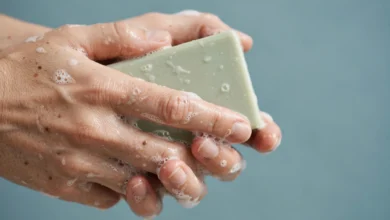
- Thoroughly cleanse your face.
- Wait 20 minutes for the skin to dry completely (applying to dry skin will reduce irritation).
- Apply a pea-sized drop evenly across the entire face — do not spot treat.
- Complete your routine with a moisturizer. Do not apply any other actives in this routine.
If you tolerate the treatment well, your dermatologist will have you increase the frequency of application until you can tolerate the treatment 5–7 nights per week. Once this is tolerated, they will increase the strength of the treatment.
Potential Side Effects of Tretinoin
“The main side effects are dryness, so I often recommend moisturizing with the product,” Karp says. If you experience irritation upon your first use of tretinoin — like dryness, peeling, or raw/red skin — it is recommended to switch up your routine and create a buffer by applying moisturizer first, then your tretinoin. “I think applying the moisturizer followed by the tretinoin is the easiest way,” adds Karp. You can even take it a step further and seal everything in with a second layer of moisturizer, which is known as a “retinol sandwich.”
According to the experts, tretinoin is suitable for most people; the only people who should be wary of it are those who have extremely sensitive skin, rosacea, or who are or might become pregnant. It may prove too harsh for the former skin conditions, and even though it is a topical medication, pregnant women are advised against using it.
Tretinoin vs Retinol
Tretinoin and retinol both fall into the retinoid category, so they can both help treat acne and the signs of aging. But tretinoin is a “more potent retinoid” and works much, much more effectively than non-prescription retinol. “Although strengths cannot be compared across the board, it has been observed that retinol is roughly 20 times less potent than tretinoin,” Lortscher explains.
If you are not jazzed about jumping through the hoops of the healthcare system, and have mild acne or very sensitive skin, choosing retinol over tretinoin may make more sense for you. But if you want maximum results, consider discussing tretinoin with your doctor.
The Final Takeaway
Tretinoin is a potent member of the retinoid family that, like most retinoids, has proven to be an excellent acne fighter. In addition to battling breakouts, it is also quite useful in diminishing acne scars, treating signs of aging like fine lines and wrinkles, and reducing signs of hyperpigmentation and sun damage. The downside to this epic skin savior? Tretinoin is only available with a prescription from a healthcare professional. That means you can’t just swing by a beauty store or click add to cart for a personal trial. If you are considering it, talk to a dermatologist about whether it is right for you.
Frequently Asked Questions
Can I use tretinoin everyday for acne?
Yes, you can use tretinoin every night to treat acne — but if you are new to tretinoin, it is important to start slow and follow the instructions from your physician. Experts suggest starting at a low concentration once a week and gradually increasing to two to three times a week before taking the nightly plunge. Once your skin has fully adjusted to that concentration, you can increase the potency and begin the cycle again.
How long does it take for tretinoin to work for acne?
The effects of tretinoin are gradual and may take up to 12 weeks to show results.