The best Christmas gift is one a child can enjoy at their current stage, in the home they actually live in. Start with their age, then narrow the choice by what they love: making things, moving, telling stories, solving problems, or spending time together.
Below are 30 Christmas gifts for kids by age, with five ideas in each group from babies through age 12. Each includes useful buying details and a suggested spending target so you can make a shortlist before shopping.

All visuals are AI-generated gift concepts, rather than photographs of specific products. This is an editorial gift guide; the pictured items have not been hands-on tested. Dollar amounts are suggested U.S. shopping budgets, not verified prices or promises of availability.
Find Their Age Group
- Babies, 0–12 months: gifts 1–5
- Toddlers, ages 1–2: gifts 6–10
- Preschoolers, ages 3–4: gifts 11–15
- Early elementary, ages 5–7: gifts 16–20
- Older kids, ages 8–10: gifts 21–25
- Tweens, ages 11–12: gifts 26–30
Shopping in a hurry? Start with board books for a baby, chunky blocks for a toddler, a pretend vet kit for a preschooler, a cooperative game for an early elementary child, a weaving loom for a patient older crafter, or an interest-matched experience for a tween. Check with a caregiver before buying.
Three Checks Before You Buy
Use the package’s age label. The groups in this article are browsing ranges, not safety ratings. A gift listed under babies may suit an older baby but be unsuitable for a newborn. Match the exact product to the child’s abilities, access needs, and habits.
Ask one practical question: “What do they enjoy right now, and is there anything you do not want more of?” That can reveal duplicate toys, noise preferences, screen rules, or a lack of storage.
Check the whole setup. Allow for batteries, refills, storage, required devices, adult help, and younger siblings. CPSC advises following age guidance, keeping small parts away from children under three, and including helmets with riding toys. Its toy safety guidance also provides a route to recall information. Avoid loose high-powered magnet sets, and keep button and coin batteries inaccessible.
Christmas Gifts for Babies: 0–12 Months
Start with gifts a caregiver can use with the baby. Books and a floor mat can suit the earliest months; grasping toys and cups need an age-appropriate model and the right stage of play. Keep play items out of the baby’s sleep space.
1. A Small Board-Book Library
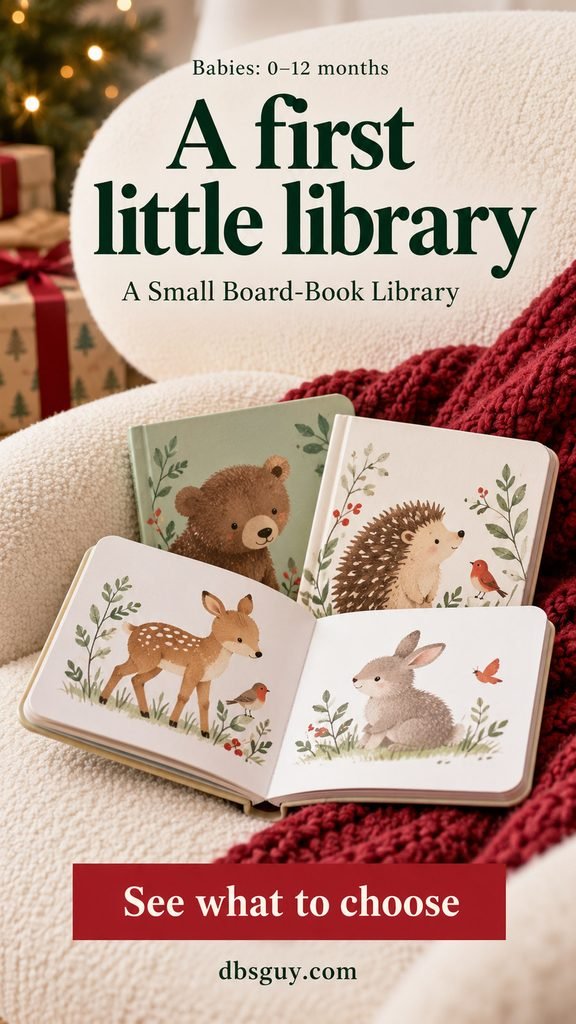
Suggested shopping budget: $15–$30
A few good board books make a lovely first Christmas gift because someone can enjoy them with the baby right away. Choose three with different kinds of pictures: bold shapes, familiar animals, and faces. Thick pages and rounded corners are more useful than a fancy presentation box.
Keep the collection small enough to become part of an ordinary lap-time routine. Check that flaps and textured inserts are firmly attached, and replace a book if chewing leaves loose pieces. Add a note naming the book you would love to read together.
2. A Washable Floor Play Mat

Suggested shopping budget: $30–$60
A floor mat is a practical pick when the parents want one clear spot for awake play. Look for a flat surface, a washable cover or straightforward cleaning instructions, and enough room for the baby to stretch without immediately reaching an edge.
Ask where it will live before buying. A beautiful oversized mat becomes awkward if it blocks the only walkway. Skip decorative pillows and loose accessories; use the mat on the floor during supervised awake time, and move the baby to an appropriate sleep space for naps.
3. An Easy-Grip Baby Rattle

Suggested shopping budget: $10–$20
For a baby beginning to reach and grasp, one well-chosen rattle can be a complete present. A chunky loop handle and a modest, pleasant sound are sensible features to compare. Choose a product specifically labeled for the baby’s current age.
Inspect seams, the handle, and any enclosed components before handing it over. Avoid adding a homemade cord or ribbon to attach it to the baby. A rattle is especially useful as a small gift from an aunt, uncle, or family friend when the nursery already has larger equipment.
4. Nesting and Stacking Cups

Suggested shopping budget: $10–$20
Nesting cups suit the older baby who enjoys putting things in, taking them out, and knocking a small tower over. The same compact set can offer a different activity when a caregiver changes the arrangement. Choose large, lightweight cups with smooth rims and an age label that fits.
Check how completely the cups nest and whether they can be cleaned and dried easily. Keep play on the floor or another appropriate low surface. A restrained set of cups is also easier to pack for a visit to the grandparents than a large activity center.
5. A Shatter-Resistant Floor Mirror
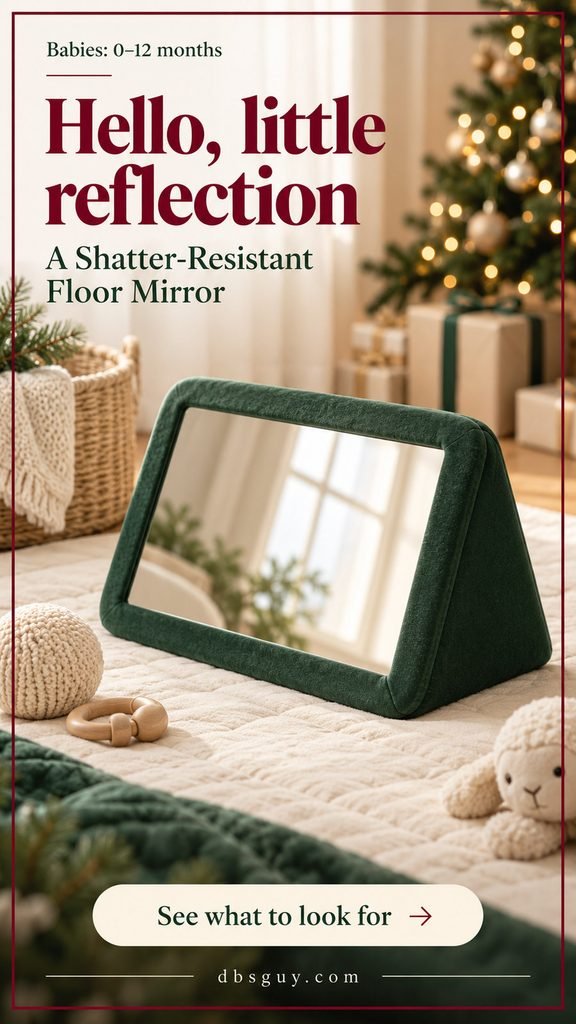
Suggested shopping budget: $15–$30
A floor mirror gives an awake baby something interesting to look toward during time on the mat with a caregiver. Shop for an infant toy mirror with a stable base, a securely enclosed shatter-resistant surface, and clear cleaning instructions.
An ordinary decorative mirror is not a substitute. Choose a design without accessible cords or small detachable embellishments, and stop using it if the reflective surface or frame is damaged. This is a thoughtful option for parents who prefer quiet toys with no batteries.
Christmas Gifts for Toddlers: Ages 1–2
Look for simple actions the toddler already enjoys: stack, roll, match, fill, empty, and make a little music. Large pieces and easy cleanup help these gifts fit everyday life.
6. Large Wooden Building Blocks

Suggested shopping budget: $25–$50
Big blocks are a strong choice for a toddler who likes stacking, lining things up, or making a very satisfying crash. Start with a manageable mix of rectangles, cubes, and arches instead of the largest available tub. Choose blocks labeled for children under three, with smooth edges and no loose decorative pieces.
Ask about storage: a low bin the child can reach is more useful than an elaborate box an adult has to open. If the family already owns blocks, check the dimensions so a new set adds usable shapes to the collection.
7. A Chunky Shape Sorter

Suggested shopping budget: $15–$30
A straightforward shape sorter suits toddlers who enjoy filling and emptying containers. Look for just a few clearly different shapes and an opening that lets the child retrieve the pieces without an adult repeatedly dismantling the toy.
Compare the actual pieces, not only the box photo. They should be large, easy to grip, and covered by the product’s toddler age rating. A lid that is difficult to open can turn the activity into a request for constant help; a simpler design is often a better match for a first sorter.
8. A First Chunky Puzzle
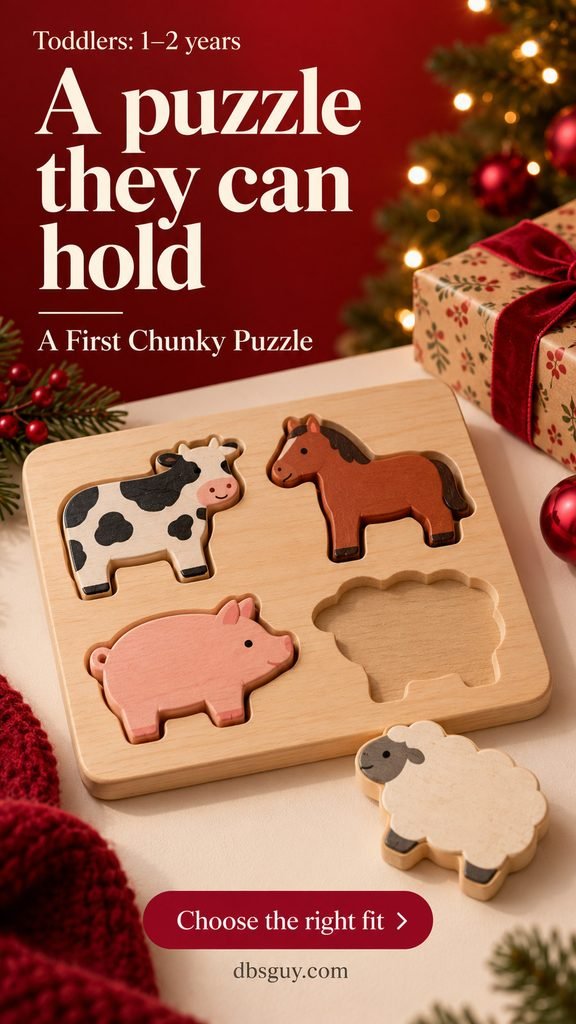
Suggested shopping budget: $10–$25
Choose a chunky inset puzzle for a toddler who likes matching pictures. Three to five thick pieces with very different outlines offer a clear starting point. An animal theme can add a second game: name the animal, make its sound, then find its space.
For this age, look for substantial pieces the child can grasp directly rather than tiny removable knobs. A matching picture underneath each piece can be helpful. Save the many-piece floor puzzle for a child who is ready for that different kind of challenge.
9. Sturdy Push-Along Vehicles

Suggested shopping budget: $15–$35
A sturdy bus or dump truck can become a delivery service, a traffic jam, or a trip across the rug. Choose large push-along vehicles with securely attached wheels and no tiny cargo pieces. One or two vehicles are plenty for a gift.
Check whether the toy rolls comfortably on the family’s usual play surface. Tiny wheels may catch on a thick rug. Avoid buying an entire road system unless the parents want to store it; a clear strip of floor can leave the story open.
10. A Toddler Music Set

Suggested shopping budget: $15–$35
For the toddler who bounces along whenever a song comes on, choose a small music set designed specifically for this age. A toddler tambourine and large shakers give different sounds without needing an electronic keyboard.
Check that jingles and internal filling cannot come loose, and inspect the set regularly. Skip kits full of small bells, thin sticks, or instruments labeled for older children. Ask the parents about noise preferences first; a gift should fit the household as well as the child.
Christmas Gifts for Preschoolers: Ages 3–4
Follow the stories and activities they return to. A small, usable set of pretend-play tools or art materials can be easier to enjoy than a box crowded with accessories.
11. A Pretend Veterinarian Kit

Suggested shopping budget: $20–$40
A pretend veterinarian kit is a good match for the preschooler who keeps checking whether the stuffed animals feel better. Pair a plush patient with a few clearly pretend tools, a fabric bandage, and a carrying case. The case makes the gift easy to put away.
Choose tools the child can operate without much help and avoid tiny pretend pills or complicated accessories. Real medications and medical tools should stay completely separate. If the child already has a favorite plush animal, the kit alone can make that familiar toy feel new.
12. A Simple Play-Dough Station

Suggested shopping budget: $15–$30
Build a play-dough gift around a tray, a few colors, one sturdy roller, and two large cutters. The tray creates a clear work area, and the small tool selection lets a preschooler start making something immediately. Tree and star shapes make the Christmas wrapping feel especially fitting.
Check the dough’s age guidance and ingredients if the child has allergies, including wheat sensitivities. Play dough is not food. Keep the setup supervised, close the containers afterward, and leave glitter and tiny decorative additions out of this simple starter station.
13. An Open-Ended Dress-Up Set

Suggested shopping budget: $25–$50
An open-ended dress-up set gives the child characters to invent. A short pretend firefighter jacket, a chef apron, or a soft animal vest can begin several stories without depending on one movie franchise. Choose the role the child already acts out around the house.
Look for washable fabrics, easy fasteners, and a comfortable fit over everyday clothes. Avoid trailing hems, tight neck closures, and accessories that obstruct vision. A low storage hook is enough; the clothing, rather than a large costume trunk, can be the main gift.
14. A Properly Sized Balance Bike

Suggested shopping budget: $70–$150+
A balance bike can be an exciting main present for a preschooler who wants to ride. Fit comes first: compare the bike’s minimum seat height with the child’s inseam and follow the manufacturer’s fitting directions. The child should be able to sit and place both feet firmly on the ground.
Include a correctly fitted bicycle helmet and budget for it before choosing the bike. CPSC recommends helmets for riding toys. Ask the parents where the bike will be used and stored, and plan a supervised first ride on a clear, level surface away from traffic.
15. A Washable Art-Supply Caddy

Suggested shopping budget: $15–$35
For a preschooler who asks to draw at every opportunity, fill a portable caddy with chunky crayons, washable markers, and a generous pad of paper. A washable apron is a useful extra. Pick supplies labeled for the child’s age rather than adult art materials.
Ask the parents which surfaces need protecting, and include a simple mat if needed. Washable labeling is not a promise that every fabric or wall will clean perfectly. Put the paper where the child can reach it so the gift is ready for another drawing session after Christmas morning.
Christmas Gifts for Kids: Ages 5–7
At this stage, the best choice depends on the individual child’s interests, reading comfort, and willingness to ask for help. A clear first activity makes a new gift more inviting.
16. An Interest-Matched Building Set

Suggested shopping budget: $20–$50
Choose a building set around the child’s favorite subject: animals, rescue vehicles, space, or a tiny shop. The right theme gives the instructions a purpose. Compare the model’s difficulty, the clarity of the diagrams, and the recommended age rather than treating a bigger piece count as better value.
If it will join an existing collection, confirm compatibility. Add a shallow sorting tray if the parents want one, and keep small bricks away from younger siblings. A modest set the child can finish with a little help may be more satisfying than a huge display model.
17. A Cooperative Board Game

Suggested shopping budget: $15–$35
A cooperative game gives everyone a shared goal, which can suit a child who wants family game time with less focus on beating a sibling. Look for a short first game, a theme the child likes, and a rulebook an adult can explain in a few minutes.
Check the player count against the people who will actually be home to play. Also check whether the game needs reading: an early reader may prefer picture-based turns. Include a note promising the first game together so it becomes an activity as soon as the box is opened.
18. A Beginner Windowsill Garden

Suggested shopping budget: $15–$30
A windowsill garden suits a child who enjoys checking on a project a little at a time. Start with two or three small pots, a drip tray, potting mix, and a simple edible-herb seed choice agreed on with a caregiver. A small scoop makes the planting feel like their own project.
Before buying, check the home’s available daylight and the seed packet’s growing instructions. Winter windowsills vary widely; avoid promising a harvest by a particular date. An adult should help choose the plants, handle the setup, and keep supplies away from pets and younger children.
19. Child-Friendly Binoculars and a Nature Journal

Suggested shopping budget: $20–$40
Binoculars and a nature journal make a useful pair for a child who notices every bird on a walk. Choose a lightweight model they can hold steadily, with an easy focus control and a size that fits their face. A simple notebook and pencil are enough to record what they spot.
Plan a first outing to a familiar park or even the backyard. Teach the child never to point binoculars at the sun, and follow the product’s age and strap guidance. This gift works especially well when the adult giving it is also offering time outdoors.
20. A Kid-Sized Baking Kit

Suggested shopping budget: $20–$40
A baking kit feels more personal when it includes a planned baking day. Wrap a child-size apron, a small rolling pin, measuring cups, a silicone spatula, and a few easy-to-use cookie cutters. Add a recipe the family already enjoys and a date to make it together.
Check food allergies with the caregiver before adding ingredients. An adult should handle the oven, hot pans, and any sharp tools, and children should not taste raw dough. Reusable tools make the gift useful after the holiday cookie session is over.
Also Read: 30 DIY Christmas Gift Basket Ideas That Are Perfect for Anyone for ways to present a small themed bundle.
Christmas Gifts for Older Kids: Ages 8–10
Choose a project or game with enough challenge to feel interesting and a realistic first goal. Check tools, reading demands, and any required technology before wrapping.
21. A Solder-Free Beginner Circuit Kit

Suggested shopping budget: $30–$60
A solder-free circuit kit is a focused gift for a child who wants to know how things work. Look for a beginner set with clear diagrams, reusable snap connections, and a few achievable projects. A light or sound project offers an obvious first result to work toward.
Choose an exact model whose age rating includes the child. Check the battery type, whether batteries are supplied, and how the battery compartment is secured. Follow the kit’s instructions with an adult for the first build; do not improvise a connection to household electricity.
22. A Stop-Motion Animation Starter Kit

Suggested shopping budget: $20–$50, using an existing device
For a child who invents characters and stories, a stop-motion starter kit can begin with a tabletop tripod, a device clamp, modeling clay, and paper backdrops. The child photographs a tiny movement, moves the character again, and builds a short sequence frame by frame.
The hidden requirement is the device. Confirm access to a compatible phone or tablet, then have a caregiver review the app, permissions, account requirements, and possible charges. Start with a five-second scene. A small achievable movie is a better first goal than an elaborate production.
23. A Beginner Weaving Loom
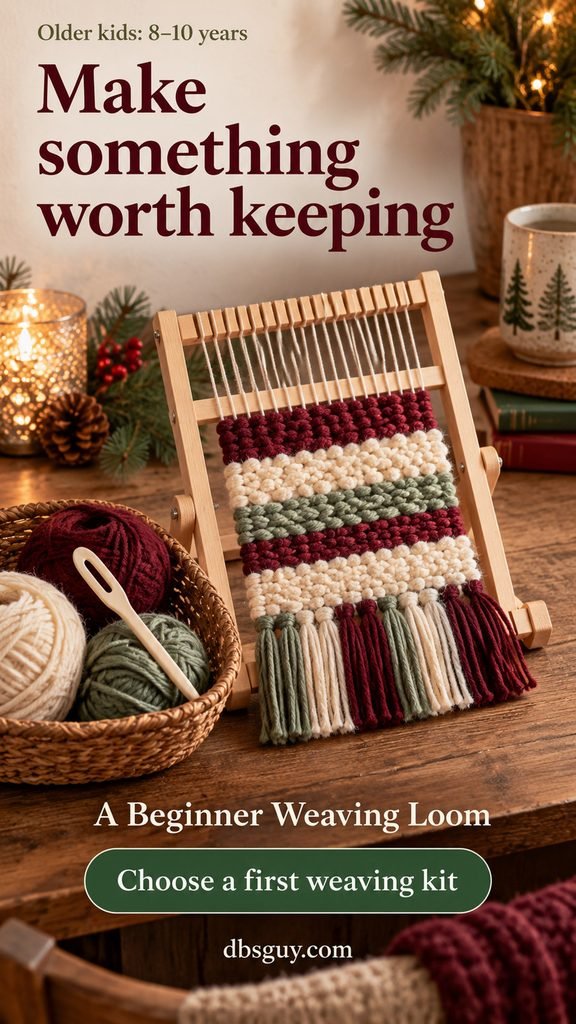
Suggested shopping budget: $20–$40
A small frame loom gives a patient child a craft they can return to over several afternoons. Choose a kit with enough yarn for a first project, a large blunt weaving needle, and clear illustrated instructions. A narrow striped wall hanging is a manageable place to begin.
Check whether the loom arrives ready to weave or needs an adult to set up the vertical threads first. Leave extra yarn for finishing rather than using every inch in the design. Keep any cutting tools under appropriate adult supervision and follow the kit’s age guidance.
24. A Strategy Board Game

Suggested shopping budget: $20–$45
A strategy game fits the child who enjoys planning a move and spotting patterns. Choose a beginner-friendly game with a decision on each turn, an appealing theme or simple abstract board, and a play time that matches the child’s patience.
Read the player count carefully: a great four-player game may sit unused in a two-person household. If the child dislikes long waits, look for short turns. Learning the rules before giving the gift makes it easier to offer an enjoyable first round rather than a long rule-reading session.
25. A Beginner Mechanical Model Kit

Suggested shopping budget: $20–$45
A mechanical model kit is a good match for a child who enjoys seeing how parts interact. A small hand-cranked windmill or gear-driven vehicle adds movement to the finished build. Choose a beginner model with large enough parts, clear diagrams, and an age rating that includes the recipient.
Read the full tool list. Some models require glue, cutting, sanding, or an adult’s help even when the box looks simple. For an uncomplicated gift, look for a kit that assembles with the supplied parts and let the child choose whether to display it or keep rebuilding.
Christmas Gifts for Tweens: Ages 11–12
Give growing interests a little room. A tween may appreciate a useful hobby upgrade, more say in their space, or a planned outing. Ask about preferences before making an expensive choice.
26. A Simple Digital Camera

Suggested shopping budget: $60–$150+
A simple digital camera can feel like a meaningful step up for a tween who likes taking pictures. Prioritize usable controls, comfortable handling, straightforward photo transfer, and a return policy. A very large advertised megapixel number alone does not tell you how useful the camera will be.
Check storage-card compatibility, charging requirements, and whether the camera needs an app or account. Add any necessary card to the gift. Offer a first photo challenge—five interesting textures or a family portrait—and agree on permission before photographing or sharing pictures of other people.
27. A Sketchbook and Quality Drawing Set

Suggested shopping budget: $20–$45
For the tween who fills the margins of every notebook, choose a sketchbook and a small, cohesive drawing set. Graphite pencils, colored pencils, and a good eraser give plenty to explore. Match the paper to the supplies; thin sketch paper is a frustrating partner for wet media.
Ask what they already use before buying a large case full of duplicates. A portable pencil roll can be a useful extra. Leave the subject open so the child can draw comics, animals, outfits, or whatever currently has their attention.
28. A Beginner Ukulele Bundle

Suggested shopping budget: $50–$120+
A beginner ukulele is a thoughtful gift when the tween has shown an interest in making music. Ask a music store or teacher to help choose a comfortable instrument with usable tuning pegs and a sensible setup. A playable beginner instrument gives the child a better starting point than a decorative toy.
Include a protective bag, a way to tune it, and an introductory lesson or clear beginner resource. If a tuner uses a coin battery, the compartment needs to be secured. Confirm the family’s practice and noise preferences before making the instrument a surprise.
29. A Personal Room Inspiration Board

Suggested shopping budget: $20–$40
A personal inspiration board suits a tween who wants more say in their space. Choose a manageable cork or clip board, then add a notebook, washi tape, and a few prints connected to their interests. The child can arrange ideas, drawings, photos, or plans in their own way.
Ask before choosing a large item for the bedroom. A freestanding board avoids making wall installation part of the surprise; follow the product’s stability instructions. Use clips when sharp pushpins would be inconvenient around younger siblings, and let the tween decide which pictures belong on it.
30. An Experience Gift With a Real Date

Suggested shopping budget: $25–$100+; check local total
A museum visit, pottery session, climbing introduction, or theater outing can suit a tween who would rather do something than add another toy. Choose one activity around a real interest and talk with the caregiver before booking. A museum visit is the concept pictured here.
Check the complete cost: adult admission, transport, parking, equipment, and any booking fee. Confirm age limits, accessibility, cancellation terms, and a workable date. Wrap an invitation describing the plan; avoid leaving the family with a voucher that creates extra expense or a difficult scheduling job.
Make the Gift Easy to Enjoy on Christmas Morning
Choose your spending limit before browsing and count the complete cost. A $25 craft kit that needs another $25 in supplies belongs in a different budget. Keep the gift receipt, confirm holiday return terms, and check the seller’s delivery estimate for your ZIP code. Personalized items and local classes may need earlier planning.
With the caregiver’s permission, take care of assembly, charging, or the first few pages of instructions beforehand. Leave packaging, labels, and safety instructions with the adults. Remove ribbons and plastic wrapping from the play area before the child starts.
If several relatives are shopping for one child, divide the list: one main gift, a compatible useful extra, and time to enjoy it together. A shared note can prevent three nearly identical kits without making anyone spend more.
Christmas Gift Questions Parents and Relatives Often Ask
How much should I spend on a child’s Christmas gift?
Choose an amount that fits your own budget and any family agreement. There is no price that makes a present thoughtful. A small book collection, a carefully chosen puzzle, or an afternoon together can be a complete gift. Use the spending targets above as planning prompts and check actual prices before buying.
Should I buy a toy for the next age up so it lasts longer?
Follow the manufacturer’s minimum age and safety guidance for the child receiving it. A more advanced label can reflect small parts or other hazards, not simply difficulty. Within the correct age range, look for activities the child can enjoy in several ways.
What should I get a child who already has plenty of toys?
Ask which existing hobby needs a refill or a useful upgrade. Art paper, yarn for a loom they own, or admission to somewhere they want to visit may fit better than another large toy. For an experience, agree on the date and cover the costs you are promising.
Are educational gifts always the best choice?
Start with enjoyment and the child’s interests. A gift does not need an educational label to offer a satisfying activity. Read the instructions and look at what the child will actually do; avoid buying only because the packaging promises broad learning benefits.
How do I choose when siblings are different ages?
Choose each gift for its intended child and plan separate storage for small pieces. A shared game works only if its age guidance, reading needs, and player count suit everyone involved. Ask the caregiver how older children’s craft supplies and models will stay out of younger children’s reach.
What is a good last-minute gift?
Look for an available book, art-supply bundle, or game in the right age range, or arrange an experience you can confirm. Check local stock and the actual booking terms. Avoid promising delivery or a particular activity until you know it is available.
Think about the first ten minutes after the gift is opened: where the child will use it, what they need to begin, and who can join them. That small bit of planning is often what makes a Christmas gift feel especially well chosen.