
Soft vanilla cookies, a swirl of white frosting, and red and green sprinkles make a cheerful Christmas cookie tray without an overnight dough rest. This recipe uses a scoop-and-press method: mix the dough, portion it, gently flatten the rounds, and bake. The finishing touch is an easy vanilla buttercream you can spread with a knife.
These are round drop sugar cookies. You do not need a rolling pin or cookie cutters. The dough is intended to spread a little, so choose a separate cut-out recipe if you want sharp stars or Christmas trees.
Recipe at a glance: About 30 cookies · 20 minutes to prepare the dough · 11–13 minutes per baking sheet · No scheduled chilling · 350°F (177°C), conventional oven. Allow about 1 hour 45 minutes for the full frosted batch when baking one sheet at a time, including cooling and decorating. Softening the butter is additional.
Recipe note: This recipe has not been kitchen-tested by dbsguy.com; yield and timing are estimates. The AI-generated images illustrate ingredients, techniques, and styling rather than documenting a test batch.

Ingredients for Soft Christmas Sugar Cookies
For the cookie dough
- 1 cup (226 g; 2 US sticks) unsalted butter, softened but still cool
- 1¼ cups (250 g) granulated sugar
- 1 large egg plus 1 large egg yolk, at room temperature
- 2 teaspoons pure vanilla extract
- 2¾ cups (330 g) all-purpose flour, spooned into the cup and leveled
- 1½ teaspoons baking powder
- ½ teaspoon fine table salt
For the vanilla frosting and Christmas finish
- ½ cup (113 g) unsalted butter, softened
- 2½ cups (300 g) powdered sugar, sifted if lumpy
- 1 teaspoon pure vanilla extract
- 2–3 tablespoons milk, added gradually
- A small pinch of fine salt
- About ¼ cup red and green sprinkles, with small white sugar pearls if desired
Use the gram weights when you can. Cup measurements vary with how ingredients are filled. Too much flour can turn a soft cookie into a dry one, so avoid packing flour into the measuring cup. Use plain all-purpose flour, rather than self-rising flour.

The butter should take a gentle fingertip impression while holding its shape. It should not look oily or partly melted. The extra yolk adds richness without adding another whole egg; keep the remaining white for another cooked recipe.
Equipment: A hand mixer or stand mixer with a paddle, two mixing bowls, a spatula, a kitchen scale or measuring cups, a cookie scoop or tablespoon, light-colored baking sheets, parchment paper, and a cooling rack.
How to Make No-Chill Christmas Sugar Cookies
1. Prepare the oven and cream the butter and sugar
Preheat the oven to 350°F (177°C) with a rack in the center. Line your baking sheets with parchment paper; do not grease the parchment. Start with sheets that are cool to the touch.
Beat the 1 cup of butter and granulated sugar on medium speed for about 2 minutes, until evenly blended and slightly lighter. Scrape the sides and bottom of the bowl. You want a creamy mixture, without beating it into an extremely airy mound.
2. Add the egg, then mix in the dry ingredients
Beat in the whole egg, extra yolk, and 2 teaspoons of vanilla until combined. Scrape the bowl again so no buttery layer remains underneath.
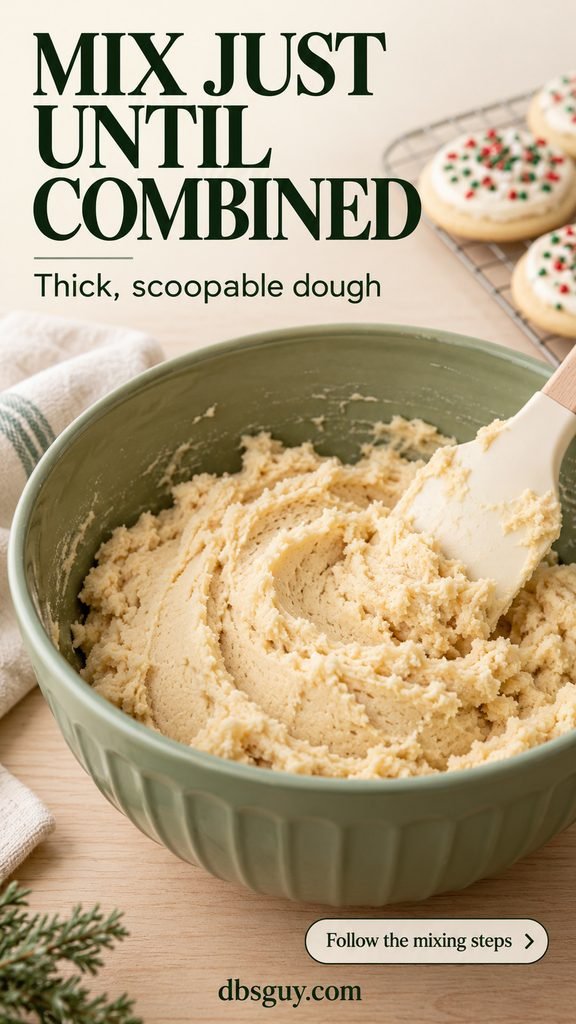
In another bowl, whisk the flour, baking powder, and salt. Add this mixture to the butter mixture in two additions, mixing on low. Stop when no dry streaks remain, then finish with a few strokes of the spatula. The dough should hold a scoop-shaped mound. Do not keep beating after it comes together.
3. Scoop and gently press the rounds
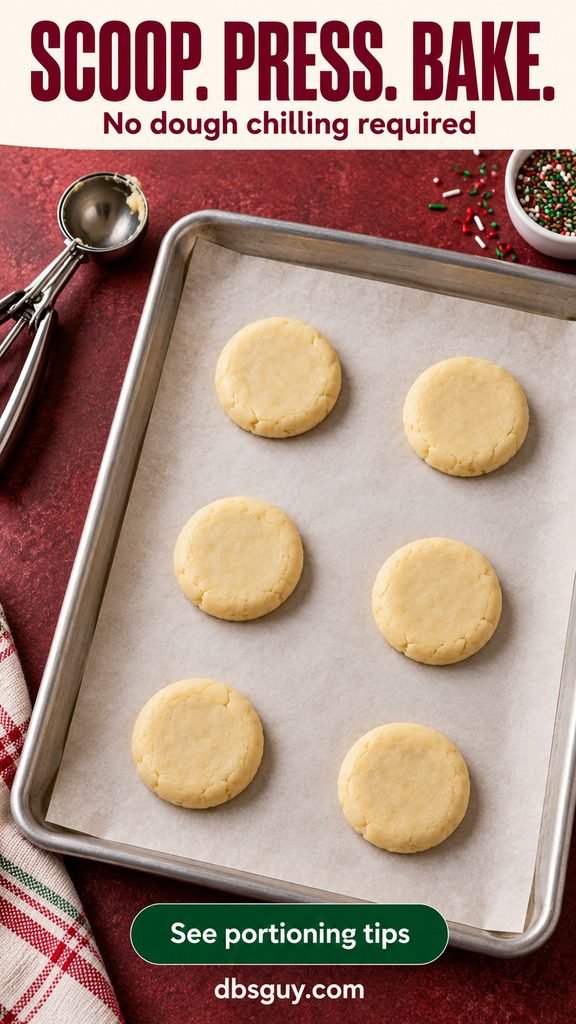
Divide the dough into roughly 30 portions, about 31 g each. A small scoop holding approximately 2 tablespoons is a starting point; weighing a few portions is more reliable than scoop labels.
Roll each portion briefly between your palms and place it on the parchment, leaving about 2 inches between the edges of the dough portions. Press each into a thick disc, approximately ½ inch thick. Keep the thickness consistent; do not squash the dough into thin wafers. Use additional sheets or batches instead of crowding the pan.
What if the kitchen is hot? The recipe does not include a chilling step, but dough that has become greasy needs to cool before baking. Briefly refrigerate it until it holds its shape again. Avoid adding handfuls of flour to compensate for warm butter.
4. Bake until set, then cool completely
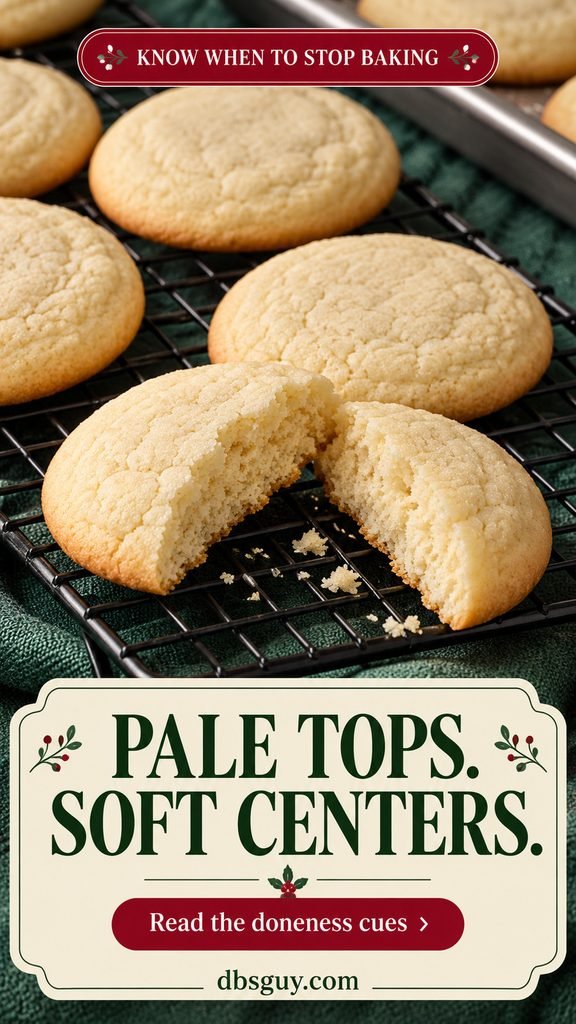
Bake one sheet at a time for approximately 11–13 minutes. Begin checking at 10 minutes. Look for set edges, pale tops that have lost their raw shine, and a faint golden tint around the bottom edge. The centers can feel soft, but they should not look glossy, wet, or liquid. Larger or thicker portions may need longer.
Let the cookies sit on the sheet for 5 minutes, then transfer them carefully to a rack. Cool completely before frosting, usually another 20–30 minutes. Let each baking sheet cool before adding fresh dough. For a first batch, baking two or three cookies ahead of the rest helps you judge your oven and preferred texture.
5. Make the frosting and add the sprinkles
Beat the ½ cup of softened butter until smooth. Add the powdered sugar gradually on low speed, followed by the vanilla, salt, and 2 tablespoons of milk. Beat for about 2 minutes, scraping the bowl, until creamy. If it is too stiff to spread, add the remaining milk a teaspoon at a time. If it is loose, beat in a little more powdered sugar.
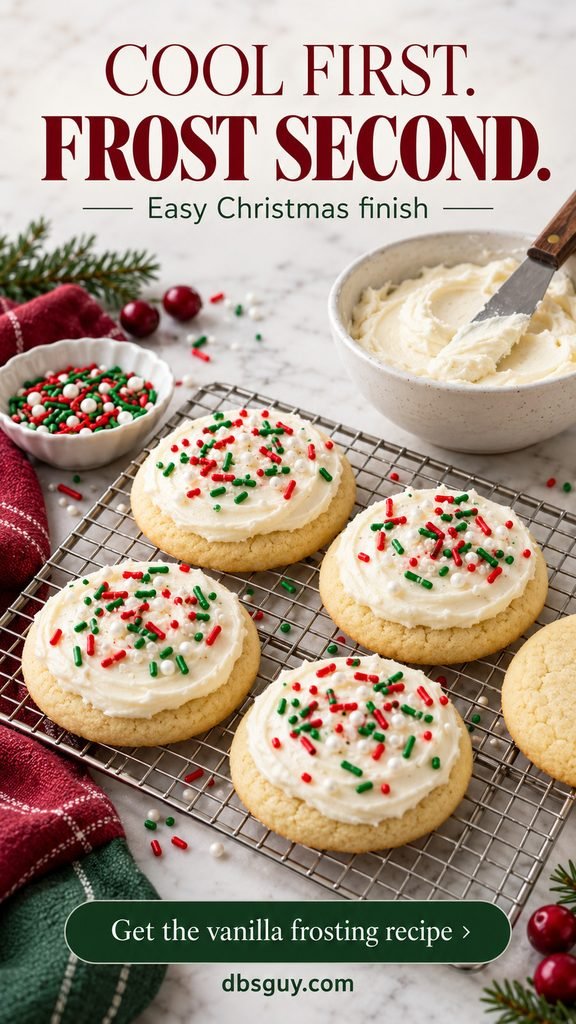
Spread approximately 2–3 teaspoons of frosting over each completely cooled cookie, leaving a small cookie border visible. A short offset spatula or butter knife makes the soft swirl shown here. Add the sprinkles immediately so they stick. This frosting stays soft underneath; it is not a hard-drying icing for tightly stacked cookie bags.
Small Fixes That Help Keep the Cookies Soft
If the cookies spread too much
Check the butter and the baking sheet first. Warm, shiny dough and a hot reused pan can both encourage spreading. Make sure the oven has fully preheated, and check its temperature with an oven thermometer if batches repeatedly flatten. Recheck the flour weight before changing the recipe.
If they are dry, crumbly, or barely spread
Excess flour and extra baking time are common places to look. Measure by weight, keep the dough portions consistent, and check the first tray early. Do not wait for an evenly golden top: that is a different finish from the pale, soft cookie intended here.
If the frosting slides or looks grainy
A warm cookie can melt the butter in the frosting, even when the top feels only slightly warm. Check the underside before decorating. For a smoother frosting, sift lumpy powdered sugar and beat until it is evenly incorporated before adding more liquid.
Storage, Freezing, and Christmas Cookie Gifts
Unfrosted cookies: Once fully cool, keep them in an airtight container at room temperature and enjoy within about 3 days for the best texture. Store them separately from crisp cookies, which have a different moisture level.
Frosted cookies: Store in a covered container in the refrigerator and enjoy within 3 days. Keep them in a single layer so the soft topping stays neat. Let the portion you plan to serve stand briefly at room temperature to soften the buttercream.
Freeze ahead: Pack completely cooled, unfrosted cookies in an airtight freezer container, separating layers with parchment. Freeze for up to 2 months for quality. Thaw in the closed container at room temperature, then frost. This lets you do the baking ahead of a December gathering and leave only the decorating for later.
For a local cookie exchange, use a shallow box with enough headroom for the frosting. Keep the cookies level during transport. A food-safe liner belongs under the cookies; decorative greenery should stay outside the food compartment. Include a note that these contain wheat, egg, and milk, and check the sprinkle label for additional allergens.
Frequently Asked Questions
Can I use cookie cutters with this dough?
This dough is designed for scoop-and-press rounds and some spreading during baking. Use a recipe developed for cut-out cookies when you need defined outlines. The round shape here gives you an easy surface for frosting without rolling or rerolling scraps.
Can I use salted butter?
You can use it if that is what you have, but brands contain different amounts of salt. Reduce the added dough salt to ¼ teaspoon and omit the frosting’s pinch of salt. The flavor will vary slightly with the butter.
Can I skip the frosting?
Yes. The vanilla cookies can be served plain. The recipe and images focus on the white-frosted Christmas finish, but the buttercream is added after baking, so leaving it off does not change the dough or baking method.
Does no-chill mean I should use melted butter?
No. Start with softened, cool butter so it can be creamed with the sugar. Melted butter changes the dough’s behavior. Skipping the refrigerator rest does not remove the need to prepare the butter or fully preheat the oven.
Can I double the recipe?
Doubling makes about 60 cookies, with the same portion size and oven temperature. Use a mixer bowl large enough for the dough, or make two separate batches. The full project takes longer because each pan still needs its own baking and cooling time.
Is it safe to taste the raw dough?
Wait until the cookies are baked. Raw flour and raw eggs can carry harmful germs. Wash your hands, tools, and work surfaces after handling the dough; the FDA’s flour safety guidance explains why raw dough should not be tasted.
Also Read
For another flavor on your cookie tray, try Quick and Easy Choc Chip Cookies for First-Time Bakers. If you are turning homemade treats into a holiday present, explore 30 DIY Christmas Gift Basket Ideas That Are Perfect for Anyone for packaging themes and thoughtful additions.