Dry Skin Requires a Top-Notch Skincare Routine—Here’s What Derms Say to Include

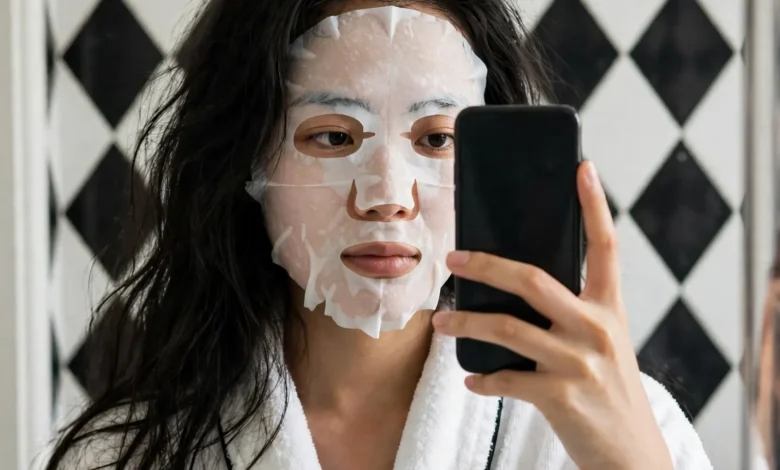
Dry skin can feel like a loop you cannot get out of. When skin is dry — or just dehydrated — it looks worse and feels worse, and that only seems to make the dryness worse. Eden Stuart’s Byrdie guide, published March 8, 2026 and reviewed by board-certified dermatologist Lily Talakoub, MD, FAAD, sets out to break that loop: what dry skin actually is, what causes it, which ingredients help, and then two complete routines — one for the morning, one for the evening — plus the everyday habits that make the whole thing work. Here it is, in the same order, with the same advice from the three dermatologists Stuart spoke to: Corey Hartman, MD, of Birmingham, Alabama; Joshua Zeichner, MD, of Mount Sinai Hospital in New York City; and Lian Mack, MD, of New York City.
Disclosure: This post contains an affiliate link. As an Amazon Associate, I earn from qualifying purchases made through it, at no extra cost to you.
Key takeaways: dry skin usually means the barrier is compromised and the skin is making too little of its own oil — so the fix is a gentle cleanser, hydrating ingredients, and a moisturizer that holds water in and supports the barrier, with SPF to finish every morning routine. And habits matter as much as products: lukewarm water, shorter showers, putting products on damp skin, and running a humidifier to add moisture back to the air.
Meet the experts: Dr. Corey Hartman is a board-certified dermatologist in Birmingham, Alabama; Dr. Joshua Zeichner is a board-certified dermatologist and associate professor of dermatology at Mount Sinai Hospital in New York City; and Dr. Lian Mack is a board-certified dermatologist in New York City. Everything that follows is what they told Stuart — I have done no testing of my own here, and I am reporting their guidance, not my own routine.
What Is Dry Skin?
Dry skin is skin that is short on moisture, short on oil, or both. It tends to look dull and feel tight, flaky, or rough, and the barrier that is supposed to keep water in is usually damaged. People with dry skin often notice their makeup pilling or flaking, along with itchiness, irritation, and fine lines and wrinkles that suddenly look more noticeable.
Hartman explains it as a skin type: the body simply makes less oil than the skin needs, so the skin cannot protect itself as well as it should. Zeichner adds the other half of the picture — once the barrier is compromised, water escapes more easily and irritants get in more easily. That is the cycle the rest of the piece is trying to break.
Dry Skin Ingredients to Look For
According to Hartman, a well-formulated moisturizer for dry skin should combine three kinds of ingredients, each doing a different job. Emollients soften and smooth the skin — shea butter, cocoa butter, ceramides, and argan oil are the examples he gives. Humectants pull water into the skin — hyaluronic acid and glycerin do that work. And occlusives seal the moisture in — argan oil, jojoba oil, and mineral oil are named here.
Ceramides get a special mention for helping restore the barrier, and squalane and vitamin E are named among the other helpful hydrating ingredients. On the other side of the list, the ingredients to avoid for dry skin are drying alcohols, fragrance, and witch hazel — plus benzoyl peroxide, which can be drying too.
Morning Skincare Routine
Step One: Non-Foaming Cleanser
Start the morning with a gentle, hydrating cleanser that does not strip — not a harsh foaming wash. The point is to clean the skin without taking its natural oils with it, before the rest of the routine goes on.
Step Two: Vitamin C Serum
Next comes a vitamin C serum in the morning, which Mack recommends. Stuart explains that it can help the skin hold on to moisture and support brightness, and that a hyaluronic-acid serum can be layered underneath moisturizer while the skin is still damp.
Byrdie tip: once a week, try adding a sheet mask between the vitamin C serum and the moisturizer for a deep dose of hydration. The editors are huge fans of the SK-II Pitera Facial Treatment Mask, which gives the skin an immediate glow.
Step Three: Eye Cream
Use an eye cream in the morning. The piece names the Eucerin Radiant Tone Eye Cream, which contains Thiamidol and hyaluronic acid and is presented as brightening dark circles.
Step Four: Moisturizer
Now apply a rich moisturizer. The Neutrogena Hydro Boost Water Gel is the moisturizer named here — the step is about sealing in everything that came before it.
Step Five: SPF
Finish with a moisturizing SPF every single day. Stuart notes that makeup with SPF in it is not enough protection on its own, and that SPF should be reapplied through the day.
Step Six: Lip Balm
Do not forget the lips — a lip balm belongs in the morning routine too.
Evening Skincare Routine
Step One: Cleansing Balm
At night, start with a double cleanse: a cleansing balm or oil cleanser first, to take off makeup and SPF before anything else touches the skin.
Step Two: Hydrating Cleanser
Follow that with a gentle, hydrating cream cleanser as the second cleanse.
Byrdie tip: do not over-exfoliate. Zeichner says that when you see flaky skin, exfoliating can feel like the obvious answer — but what the skin actually needs is hydration. If you do exfoliate, use a light exfoliant, such as Tatcha’s Rice Enzyme Powder.
Step Three: Targeted Treatment
Next comes a targeted treatment. The piece names Tatcha’s Rice Enzyme Powder as an exfoliating treatment, and it also covers retinoids and retinol for dry skin — with the advice to start slowly and to buffer them, which the tips section below spells out in detail.
Step Four: Hydrating Serum
Apply a hydrating serum, such as hyaluronic acid, on damp skin.
Step Five: Eye Cream
Eye cream goes on again in the evening routine, just as it did in the morning.
Step Six: Moisturizer
Finish with a rich moisturizer to seal in all the steps that came before it.
Step Seven (Optional): Face Oil
As an optional step, add a face oil if the skin still feels dry after the moisturizer.
Step Eight: Lip Balm or Mask
End the night with a lip balm or an overnight lip mask. The Ilia Lip Wrap Hydrating Mask, the Laneige Lip Sleeping Mask EX, and Tatcha The Lip Mask are the ones named here.
Dry Skin Routine Tips
Avoid Hot Water
A steamy shower or a hot bath can do real damage to the skin’s natural barrier. Warm water is best because it will not strip the skin of its essential oils — and if you have dry skin, keep showers to a few minutes at a time and use lukewarm water instead.
Use Moisturizer While Your Skin Is Still Damp
Putting moisturizer on while the skin is still slightly damp helps lock in the water content, so the skin ends up hydrated more effectively than if you wait until it is fully dry.
Add a Sheet Mask Once a Week
Using a hydrating sheet mask once a week can do wonders for dry skin — the 111 Skin Cryo De-Puffing Mask is the example given.
Be Careful With Retinol
Hartman recommends starting retinol slowly — one to two times a week for the first few weeks — and using a moisturizing product in the morning on days you are not using retinol, and at night alongside it. The “retinol sandwich” — moisturizer before and after retinol — may boost the skin’s moisture level and limit some irritation, but it will also lessen retinol’s effects. And retinol should go on completely dry skin, waiting at least 20 minutes after washing.
Avoid Products That Contain Alcohol
Hartman says alcohol dries out the skin, and he does not recommend astringents like witch hazel in moisturizers either, since they can be drying too.
Consider Going Fragrance-Free
Fragrances and deodorant soaps can be drying, so finding products without them can help build a routine that finally makes a difference. Even products labelled “unscented” can include irritating neutralizing chemicals, so look for the explicit term “fragrance-free.”
Invest in a Humidifier
In the winter months, or in drier climates, a humidifier can help not only the skin but also sleep and overall wellness. Canopy and Dyson are named as brands that have developed versions estheticians love.
The Final Takeaway
Dry skin, like a parched body, needs moisture nursed back to life. A routine for it should be packed with humectants, which absorb water; emollients, which add moisture; and occlusives, which lock that moisture in. Avoid stripping ingredients such as alcohol, and exfoliants that are too harsh and strip hydration — even when flaky patches make exfoliating feel like the right response. And most importantly, avoid washing your face with hot water: although hot water can calm the nervous system, it robs the skin of the natural oils that keep it healthy and glowing.