
The best Christmas gifts for teens usually start with something specific: the music they play on repeat, the sport they show up for, the books they trade with friends, or the room they keep rearranging. If you need a quick starting point, choose headphones for a music lover, a building set for a hands-on hobbyist, or cash when they are saving for something particular.
These 30 ideas cover practical upgrades, creative projects, cozy favorites, and experiences. Each includes a suggested budget and a detail worth checking before you buy, so you can narrow the list without guessing their size, device, or taste.
These are editorial gift suggestions, not products we have personally tested or a survey of every teen’s preferences. Budget ranges are planning estimates in U.S. dollars, not live price quotes; tax, shipping, sales, and brand choices can change the total. The images are AI-generated gift-styling concepts, not photographs of specific products or included retail bundles.

Start with their interests and your budget
- For a smaller budget: a photo-display kit, journal, bracelet kit, snack box, or gaming credit lets you choose a manageable total.
- For a bigger present: an instant camera with film, e-reader, or headphones can work when the teen has asked for that kind of upgrade.
- When you barely know their taste: ask for a wish list, offer a shopping trip, or give cash toward a goal. Avoid guessing clothing sizes or device compatibility.
- Before checkout: confirm what they own, the exact model or size needed, the total cost of extras, and the gift-return deadline.
If you are shopping early for Christmas, keep a short list of exact model names, sizes, and colors before seasonal promotions begin. For personalized gifts, check the seller’s current production time. Keep gift receipts and confirm the return deadline for holiday purchases; policies can differ by item and retailer.
1. Over-ear headphones for their everyday playlist
Suggested budget: $50–$200. Best fit: Music lovers, bus riders, and teens who use headphones at home.

A comfortable pair of over-ear headphones can be a meaningful upgrade when their current pair has peeling cushions or an unreliable connection. Choose a color they already wear or use in their room; the plum pair in the concept is an alternative to basic black.
Before buying, find out whether they want wireless listening, a wired connection, or both. Check the listed weight, replaceable ear cushions, charging connection, and return policy. Noise cancellation is a feature to compare if they have asked for it, rather than a reason to stretch your budget automatically.
Get this detail right: do not assume everyday Bluetooth headphones will work with their game console or school-issued computer. Confirm that exact setup first.
2. A portable speaker for their room and hangouts
Suggested budget: $25–$100. Best fit: Teens who like sharing music.
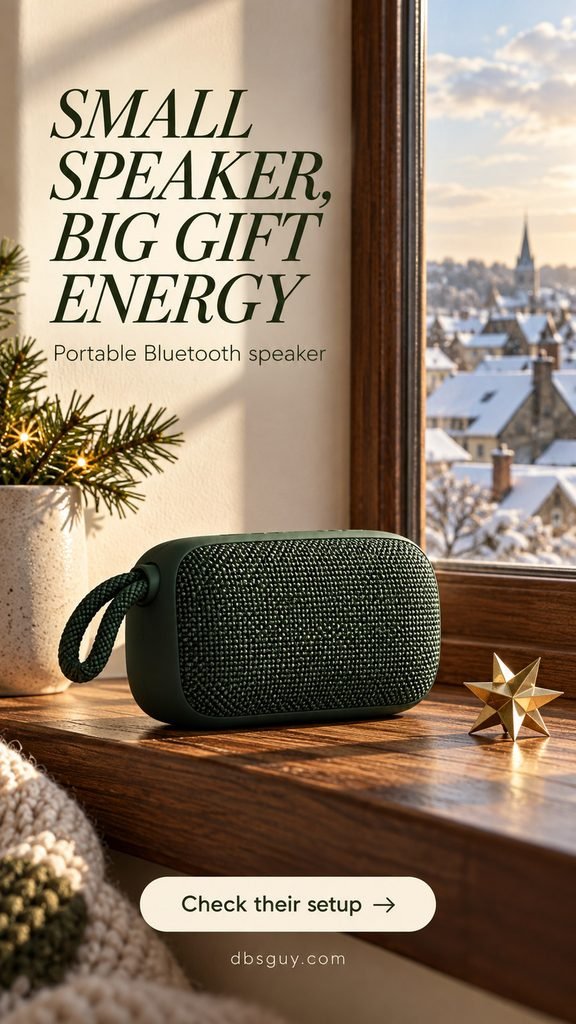
A small speaker serves a different purpose from headphones: it makes a playlist part of a hangout, a craft afternoon, or time spent tidying their room. A compact shape with a carrying loop is easy to move between a desk and a shelf.
Look for straightforward buttons and a charging cable they can keep track of. Compare the manufacturer’s stated size and battery specifications, and check water-resistance details only if outdoor use is part of the plan. Do not treat a fabric cover as evidence that a speaker is waterproof.
For a personal touch, add a short note suggesting the first album to play. Skip a second speaker if they already have one they love.
3. A power bank with the right cable
Suggested budget: $25–$60. Best fit: Teens with long school days, travel plans, or busy weekends.
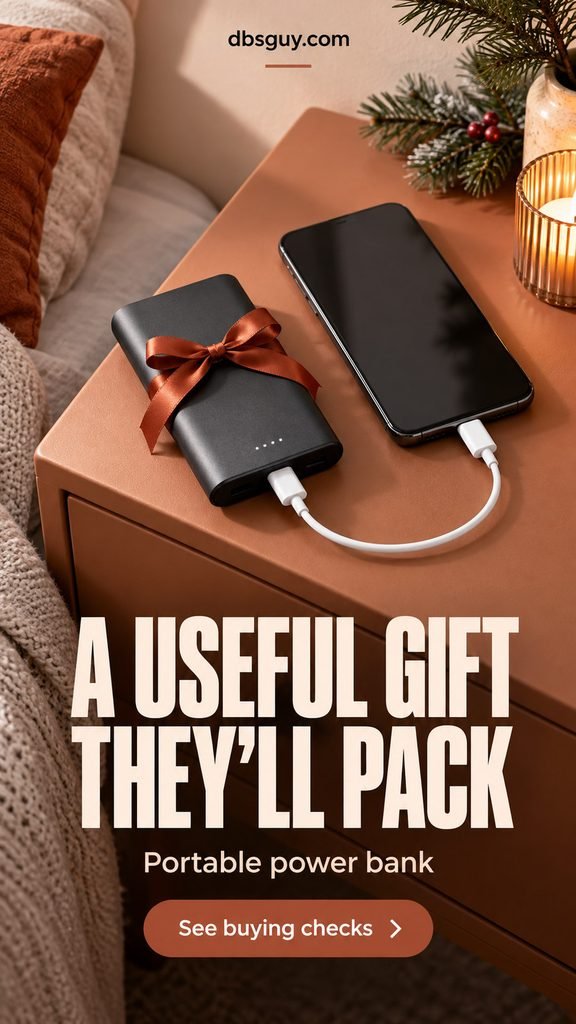
This is a useful gift for the teen who keeps asking to borrow a charger. A slim power bank and a short compatible cable make a more complete present than a battery pack alone.
Start with their phone model and the connections they actually use. Check the power bank’s size, output specifications, included accessories, and instructions, and buy from an established seller with a clear warranty and return route. A large advertised capacity is not the only buying criterion; a brick they leave at home is not much help.
If it is meant for travel, check the airline’s current battery rules before choosing the model. Keep the gift in its original packaging with the instructions and receipt.
4. A phone tripod and remote for creative projects
Suggested budget: $20–$50. Best fit: Teens who film crafts, practice performances, or take group photos.
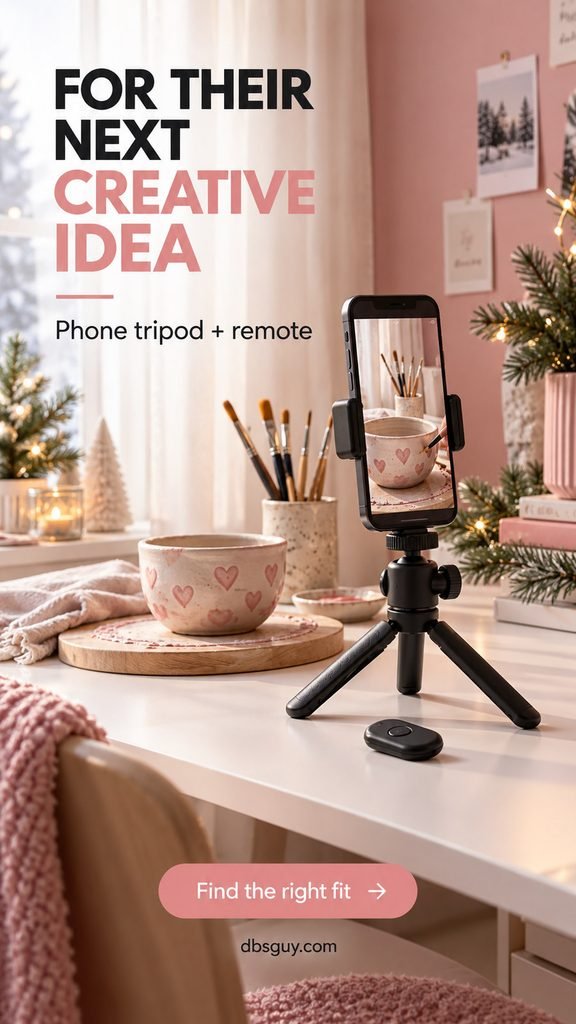
A tabletop tripod gives a phone a steady place to sit while they record a painting, rehearse a speech, or get everyone into a group picture. It can support a creative hobby without requiring a new camera.
Choose a holder that fits their phone with its case on. Check whether it rotates between portrait and landscape, how the remote connects, and whether the legs stay stable at the height they need. A short desk model is a poor substitute if they specifically want to film standing dance practice.
Keep the gift about making things they enjoy. They do not need a public account or an audience to use it.
5. An instant camera with film included
Suggested budget: $100–$150. Best fit: Memory keepers and teens who like physical photos.

An instant camera gives them a small keepsake from a holiday gathering or a day with friends. Choose this for someone who enjoys the process of taking a fresh picture, including the limited number of shots in each film pack.
The film is part of the gift budget. Match the exact format to the camera: for example, Fujifilm’s instax mini 12 uses instax mini film, rather than SQUARE or WIDE film. Check the seller’s bundle contents, since a camera listing does not necessarily include a starter pack.
Add a simple photo sleeve or storage box if there is room in your budget. Tell them what replacement film costs before making this a continuing hobby someone else will have to fund.
6. A smartphone photo printer for pictures they already love
Suggested budget: $80–$160. Best fit: Teens with a camera roll full of pets, trips, and favorite moments.

If they already prefer taking pictures on their phone, a small photo printer may suit them better than an instant camera. They can choose an existing favorite before using a sheet of paper or film.
Compare print type, print size, phone compatibility, and the cost of refills. A low-cost black-and-white thermal note printer is a different product from a printer designed to produce color photographs. Read the description carefully so the gift matches the pictures they expect.
Include the exact compatible refill pack, and check whether the required app supports their phone. The blush printer in the image is a styling concept, not a promise that every model has the same paper system.
7. An e-reader for the teen who always has a book
Suggested budget: $120–$200. Best fit: Frequent readers who want a dedicated reading device.

An e-reader makes sense when reading is already a favorite activity. Ask which store or reading app they use before choosing a device; moving into an unfamiliar book ecosystem can make a thoughtful gift frustrating.
Look at the screen size, built-in light, storage options, and whether the case you are buying fits that exact generation. Library borrowing support varies by device and location, so check their library’s instructions if that is a main reason for the purchase.
Discuss how they will get books, too. Purchased Kindle books and Kindle Unlimited are separate options; a subscription is not the same as owning every book they want. Include a book allowance rather than quietly signing the family up for an ongoing charge.
8. A game controller that matches their platform
Suggested budget: $35–$90. Best fit: Gamers who have requested a replacement or a second controller.

A new controller can replace one with worn buttons or make local multiplayer possible. It is worth a discreet question first: controller shape, button layout, and preferred brand can be surprisingly personal.
Write down the exact console or computer they play on and check the controller’s compatibility list. Confirm whether it connects by cable, wireless adapter, or Bluetooth, and whether batteries or a charging cable are included.
For a teen who already has their setup just right, avoid buying an unfamiliar controller on looks alone. Ask for the model name and let the color be the surprise.
9. A mechanical keyboard for a desk they enjoy using
Suggested budget: $40–$100. Best fit: Teens who type, game, code, or care about their desk setup.

A keyboard can feel personal through its layout, color, and sound. A mint-and-cream version suits a softer desk palette, while someone with a dark setup may prefer an understated black model.
Ask whether they need a number pad and how much desk space they have. Check operating-system support, connection type, and the keyboard layout used in their country. Switch sound matters in a shared bedroom or a quiet family space; a loud keyboard should be a deliberate choice.
Do not choose only by a product photo. A compact keyboard can move or omit keys they use for schoolwork, and an aesthetic upgrade should still be comfortable to use.
10. Gaming credit for the store they actually use
Suggested budget: $15–$60. Best fit: Gamers with a specific digital wish list.

Gaming credit lets them choose the title or add-on themselves. It is especially useful when you know the hobby but cannot tell which games they already own.
Confirm the storefront, account country, and currency before paying. A console brand, a game-specific currency card, and a general retailer gift card are not interchangeable. Nintendo, for example, states that eShop cards must correspond to the relevant country’s eShop.
Check family purchase settings and age suitability with a parent when needed. Tuck the card into an envelope with a note such as, “For the game you’ve been saving for,” and keep the activation receipt.
Also read: Ultimate Gamer Gift Guide: 35+ Must-Have Amazon Finds
11. A hoodie in their preferred fit
Suggested budget: $30–$80. Best fit: Teens who already wear hoodies on repeat.

A hoodie works when it looks like something they would choose. Notice whether they favor plain colors, a school or team logo, zip fronts, cropped cuts, or a roomy pullover before ordering.
Check the size label of a favorite hoodie with their permission, then compare the new garment’s measurements. “Oversized” varies between brands, so simply buying two sizes larger can leave them with sleeves or shoulders they dislike.
Keep a gift receipt and leave tags attached. If you cannot confidently choose the fit, wrap a note offering a shopping trip together instead.
12. A compact crossbody or belt bag
Suggested budget: $20–$60. Best fit: Teens who carry a phone, keys, and a few daily essentials.
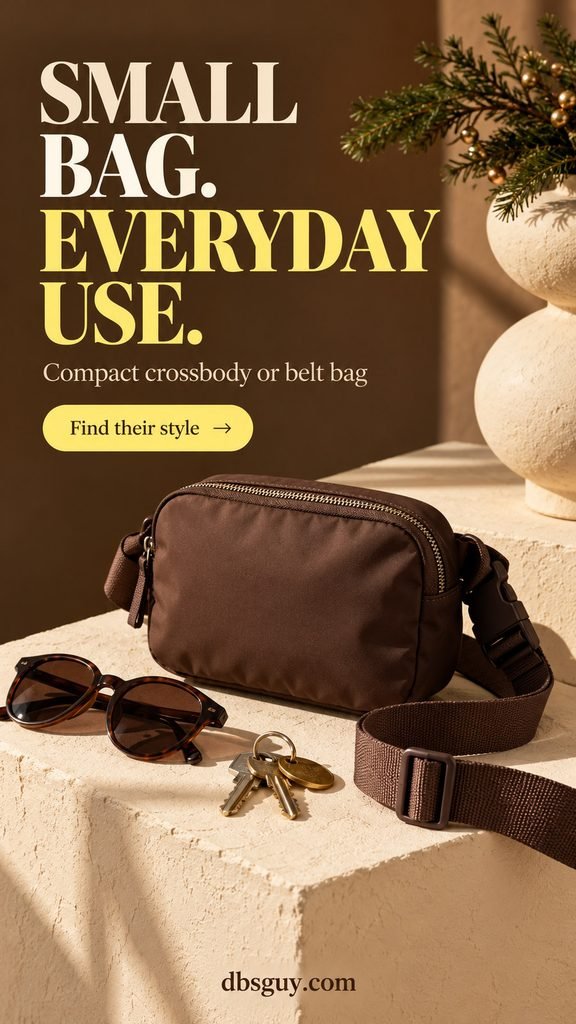
A small bag can be useful for outings when a backpack feels excessive. Choose the shape they already use: a close-fitting belt bag, a small shoulder bag, or a crossbody with a longer strap.
Check the actual interior measurements against their phone, especially if it has a bulky case. Look for a secure zipper, an adjustable strap, and a pocket arrangement that makes sense for what they carry.
Chocolate brown in the concept is an easy styling option, but their preferred color should decide the purchase. Avoid assuming that a popular bag is automatically their style.
13. An insulated water bottle in their favorite color
Suggested budget: $20–$40. Best fit: Teens who take a bottle to class, practice, or outings.
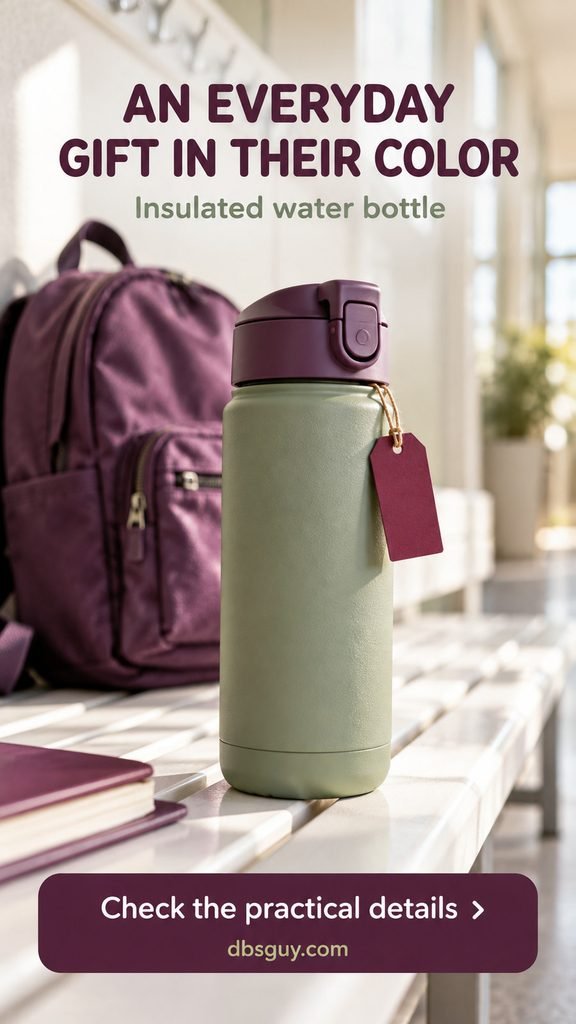
This practical gift becomes more personal when the color and lid style are right. A sage bottle with a purple lid, like the concept shown, adds color without needing an oversized logo.
Ask whether they prefer a straw, a sip opening, or a screw top. Check capacity, bag-pocket fit, cleaning instructions, and whether the manufacturer describes that exact lid as leakproof. A bottle made to stand upright on a desk may be inconvenient in a backpack.
If they already own several, replacement parts for a favorite may be more useful than another bottle. Confirm the exact model before buying any extra lid.
14. A simple necklace that matches their usual jewelry
Suggested budget: $15–$60. Best fit: Teens who already enjoy wearing jewelry.
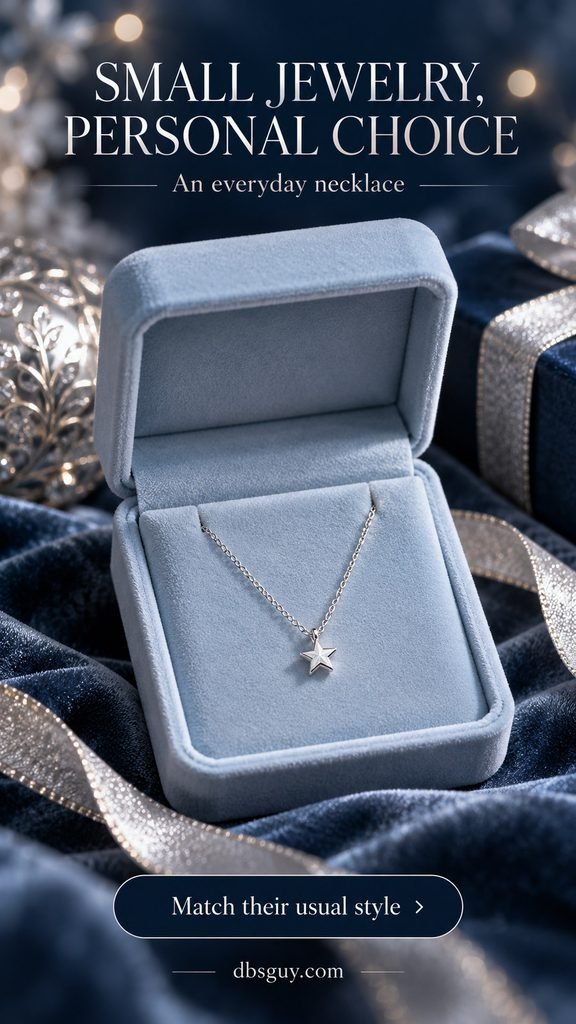
Small jewelry can feel thoughtful without being elaborate. A tiny star, initial, or plain pendant works best when it connects with something they already wear, rather than an adult’s idea of what they should like.
Match their preferred metal color and check the chain length. Read the material description carefully, including whether an item is plated, and ask about known metal sensitivities before buying. Avoid treating vague words such as “premium” as a material specification.
The silver star necklace in the concept is intentionally simple. For a personal order, double-check spelling and the seller’s return terms before paying.
15. A beanie-and-socks bundle for winter days
Suggested budget: $20–$40. Best fit: Teens in cold climates who like useful accessories.

A ribbed beanie and thick socks make a compact gift with plenty of room for personality. Use a team color, a familiar neutral, or a combination like the teal and burgundy shown here.
Check sock size and fiber content, and choose textures they are comfortable wearing. Wool blends may suit some teens; others prefer softer alternatives or easy-care fabrics. Look at washing instructions before building a bundle meant for everyday use.
For a teen in a warm climate, choose lighter everyday socks and skip the hat. The present should fit their weather and wardrobe.
16. A soft throw for their favorite corner
Suggested budget: $25–$60. Best fit: Homebodies, readers, and teens who enjoy a cozy room.

A throw is an easy way to support the room style they are building. The burnt-orange version in the concept adds warmth to a cream chair, but a favorite color is a better guide than the holiday palette in your living room.
Check the listed dimensions; a small decorative throw may not cover a taller teen comfortably. Compare texture, washing instructions, and reviews that discuss shedding or snagging. Choose a plain, washable option if it will travel between the bed, couch, and movie nights.
Make sure there is room for it. If they already have a pile of blankets, choose another idea from the list.
17. An adjustable desk lamp for their own workspace
Suggested budget: $25–$60. Best fit: Teens who read, draw, build, or do homework at a desk.

A desk lamp is a thoughtful room upgrade when the current setup leaves them moving a notebook around to find the light. An adjustable head lets them direct it toward a book or project.
Measure the available desk space and check the reach of the arm, the cord length, and whether the design needs a replaceable bulb. If the lamp offers adjustable brightness or color temperature, compare those controls rather than assuming every model includes them.
A butter-yellow lamp can bring personality to a plain desk. Ask before choosing anything with app controls or a look that changes the room’s whole style.
18. A photo-display kit with prints they choose
Suggested budget: $15–$35. Best fit: Teens who like decorating with personal memories.

Give them a small set of photo clips, cord, and an allowance for prints. This gift is about displaying pictures, so it also works for a teen who does not need a new camera or printer.
Let them select the photos. Include wall attachments appropriate for the surface and living situation, following the attachment maker’s instructions. Do not promise that adhesive hooks will leave every painted wall untouched.
Start with one modest display area above a desk rather than enough supplies to cover the room. Leave the arranging to them; choosing the pictures is part of what makes the gift personal.
19. A building set they will want to display
Suggested budget: $20–$70. Best fit: Hands-on makers and fans of a particular theme.

A building set can be both an afternoon project and something they keep on a shelf. Choose the theme before the piece count: a botanical build, vehicle, favorite fictional world, or architectural subject they already enjoy.
Check the recommended age, finished dimensions, and whether they own it. A huge set is not automatically a better gift if they have no space to display it or no interest in a long build.
The brick-built bonsai in the concept suits someone who likes a small decorative object. Keep the box sealed for easier exchange if you are not sure which set is on their list.
20. A sketchbook and supplies in their favorite medium
Suggested budget: $20–$50. Best fit: Teens who draw, paint, doodle, or design.

Build around the art they actually make. A pencil artist may prefer good drawing pencils and paper; someone who enjoys lettering may want a few specific water-based markers. One useful selection can beat a giant case full of supplies they never touch.
Choose paper suited to the medium, and read the supply instructions. A sketchbook sold for dry drawing will not necessarily handle wet paint the way watercolor paper does. Include a protective sheet if their chosen markers tend to show through paper.
Give the supplies without an assignment or expectation of a finished picture. An open sketchbook is room to experiment.
21. A beginner crochet kit with one achievable project
Suggested budget: $15–$35. Best fit: Teens who have expressed an interest in learning a yarn craft.

A small crochet project offers a clear place to begin. A coaster or another simple shape is a gentler starting point than a complicated garment with unfamiliar sizing and stitch patterns.
Look for yarn, a matching hook, a yarn needle, stitch markers, and instructions that explain the basics clearly. Check whether tutorials are included, whether they require an account, and whether the kit is written for a complete beginner.
The concept shows a coaster, hook, and yarn rather than knitting needles. Ask which craft they want to learn before buying; crochet and knitting supplies are not interchangeable starter gifts.
22. A beaded-bracelet kit for personal designs
Suggested budget: $15–$30. Best fit: Teens who like making accessories or crafting with friends.
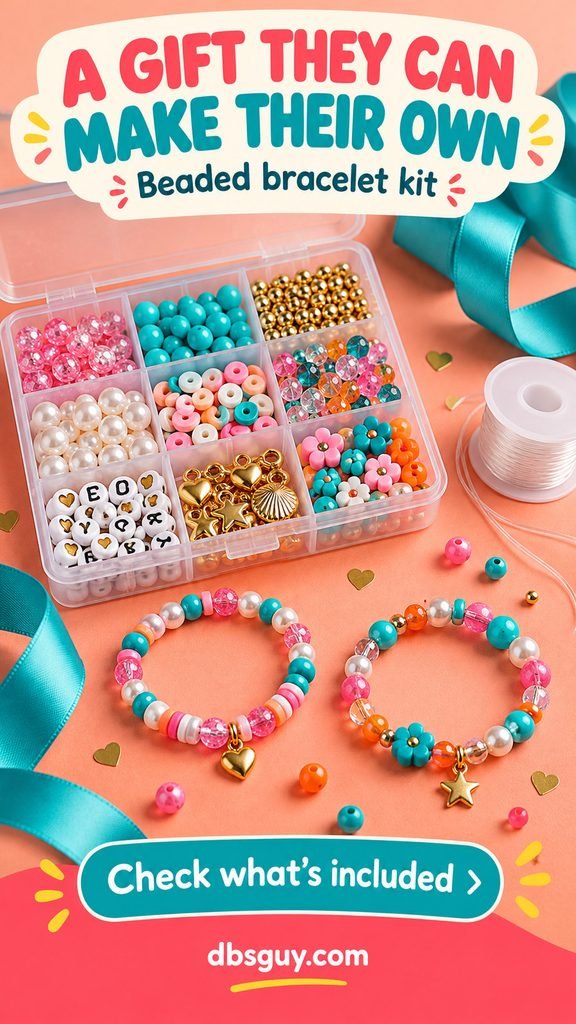
A compact organizer of beads and elastic cord lets them make accessories for themselves or share the supplies with a friend. Choose a palette that fits their taste instead of assuming everyone wants pastel colors or letter beads.
Check what is included: cord, closures if needed, instructions, and storage matter as much as the bead count. A kit with fewer well-chosen pieces may be easier to use than a huge mixed bag.
Follow the kit’s age guidance and store small pieces away from younger children and pets. Keep the organizer as part of the present so the hobby has somewhere to go afterward.
23. A journal with pens they enjoy using
Suggested budget: $15–$35. Best fit: Writers, list makers, doodlers, and stationery fans.

A journal can be a place for song lyrics, story ideas, sketches, or ordinary lists. A dotted notebook keeps the format flexible, while ruled pages may suit someone who mostly writes.
Ask about page style and pen preference before choosing. Include two or three useful pens rather than an entire stationery haul, and check whether the paper suits their usual ink. An undated notebook avoids turning a late gift into a planner with wasted pages.
Leave it blank unless they would appreciate a small removable note. Give them the privacy to use it in their own way.
24. A book box built around one carefully chosen read
Suggested budget: $20–$45. Best fit: Readers with a favorite genre, author, or series.

Start with one book they want, then add a bookmark and perhaps a clip-on reading light. This feels more considered than a random stack of novels chosen only because they are labeled for teens.
Check whether they own the book, whether it is part of a series, and which format they prefer. Age labels alone do not tell you whether a story suits a particular reader; a bookseller can help you assess content and interests.
If you are unsure, swap the surprise book for a bookstore allowance and include a note offering a trip together. Keep the box small enough that the book remains the main gift.
25. A sports ball sized for the way they play
Suggested budget: $20–$60. Best fit: Teens who already enjoy a ball sport.

A replacement basketball, soccer ball, or volleyball can be useful when the old one has seen better days. Choose the sport they play now, rather than using the gift to steer them toward a new activity.
Ask about the correct size and whether it will be used indoors or outdoors. Team, league, and practice needs can differ. Check whether it arrives inflated, and include a compatible pump if they need one.
The basketball-and-pump concept is one example. For a committed player, a quick question to the teen or their parent is better than guessing the equipment specification.
26. A duffel bag for practice and weekend stays
Suggested budget: $25–$70. Best fit: Athletes and teens who carry an overnight or activity bag.
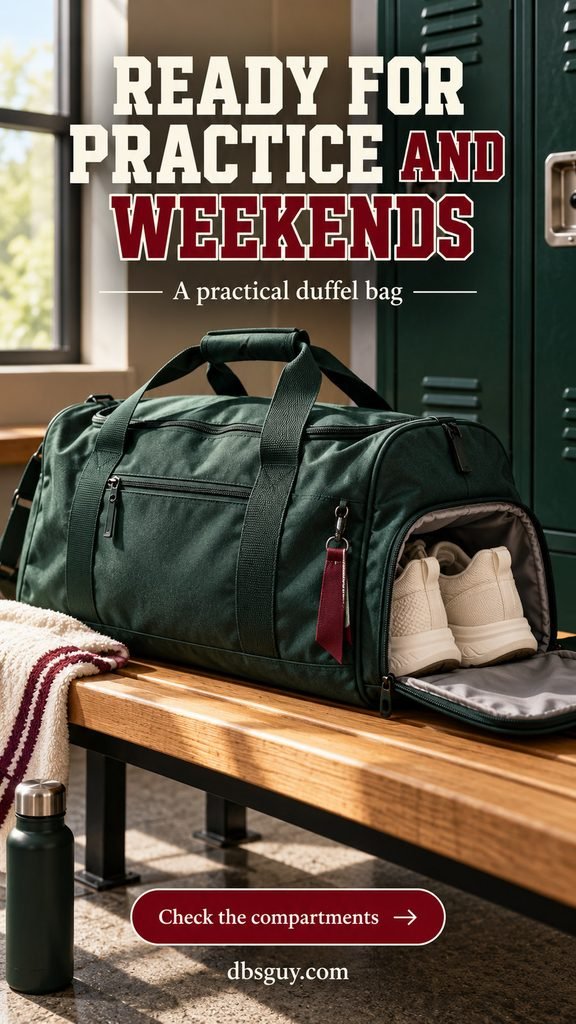
A useful duffel has room for what they carry without becoming awkward to take along. A separate shoe compartment, like the one pictured, may be helpful for practice days; an overnight visitor may care more about simple organization.
Check dimensions against their locker or usual storage spot. Look at strap adjustment, zipper access, cleaning instructions, and whether pockets reduce the usable main compartment more than expected.
Choose a restrained color if you do not know their favorite. Ask before adding a large monogram, particularly if it would prevent a return.
27. A baking kit made of reusable tools
Suggested budget: $25–$50. Best fit: Teens who already enjoy making treats.

Build a practical set around a mixing bowl, measuring tools, a silicone spatula, and cutters they would use. A reusable tool kit can outlast a single holiday mix and lets them choose their own recipe.
Ask which tools the household already has before doubling up. Favor clear measurements and easy-to-clean shapes over novelty pieces. If you add ingredients, check allergies and keep the original labels with them.
For a new baker, include an offer to make the first batch together and follow the recipe and appliance instructions. Choose tools they can use in their actual kitchen, rather than equipment that needs extra counter space.
28. A snack box filled with their own favorites
Suggested budget: $15–$35. Best fit: Teens who appreciate familiar treats and a fun unboxing.

A snack box works best when you know their preferences: salty over sweet, a particular chocolate, a favorite cracker, or something they always buy for movie nights. Use a modest reusable box so packaging does not consume the budget.
Choose sealed items with visible ingredient and allergen labels, and check dates. For anyone with dietary restrictions, ask them or a parent instead of guessing from a package’s color or a marketing claim.
Do not fill the box with unfamiliar novelty snacks just to make it look full. A smaller selection they would pick themselves is the point.
Also read: 30 DIY Christmas Gift Basket Ideas That Are Perfect for Anyone
29. Tickets or a shared experience they help choose
Suggested budget: $30–$150 per person. Best fit: Teens who would rather make a memory than store another object.

Think about a concert, a sports game, a pottery class, an escape room, or another outing they have mentioned. The best option fits both the interest and the practical plan for getting there.
Before booking, check age restrictions, the date, ticket-transfer rules, accessibility needs, and who will go with them. Count transportation, fees, and any necessary adult ticket in the full cost. A ticket alone may leave a teenager unable to use the gift.
If you cannot confirm the schedule, wrap a note offering a choice within a clear budget. The pictured vouchers illustrate the idea; they are not real event tickets.
30. Cash toward the thing they are saving for
Suggested budget: An amount that fits your budget. Best fit: Teens with a specific wish list or an expensive goal.

Cash can be a thoughtful gift when it supports their own choice. Ask whether they are saving for shoes, a device, an outing, or something else, and write a note that connects your gift with that goal.
A simple card and envelope are enough. There is no need to spend extra on a puzzle box or a pile of disposable packaging just to disguise the money. If the gift is digital, confirm the preferred method with the teen or their parent and add a personal message.
Let them decide when to spend it. If you need to attach conditions, explain those clearly before presenting it as money for their wish list.
Make the gift easy to enjoy
Before wrapping, check the full gift: compatible accessories, any refill costs, a gift receipt, and a practical way to use it. For an outing, include the transport plan. For a device, keep the packaging sealed so the recipient can set it up with their own account and preferences.
When buying a store gift card, inspect the packaging and protective stickers for signs of tampering and keep the card details and receipt. The FTC’s gift-card buying advice explains these checks. A little planning here can make a simple gift easier to give and use.
Christmas gifts for teens: common questions
What are good Christmas gifts for a 13-year-old versus a 17-year-old?
Use age as a starting point, then choose by interests and independence. A younger teen may enjoy a straightforward craft kit or building project, while an older teen might value a practical bag or an outing with friends. Either could prefer books, sports gear, or cash. Check product age guidance and family rules for the individual recipient.
How much should I spend on a teen’s Christmas gift?
Choose an amount that is comfortable for you. There is no required spending level. Start with the full gift cost, including film, refills, shipping, ticket fees, or accessories, and work backward. One well-chosen item with a note can be more thoughtful than several unrelated extras.
Are gift cards or cash too impersonal?
They do not have to be. Choose a store they use or connect the money to something they are saving for. Add a short personal message. For a store card, confirm the region, restrictions, and amount so they do not need to spend extra simply to use it.
What should I avoid buying without asking first?
Be careful with fitted clothing, device-specific accessories, personalized items that cannot be returned, and anything that starts a recurring subscription. Avoid a gift that implies they need to change their appearance or take up a hobby they have never shown interest in.
What is a good last-minute Christmas gift for a teen?
Cash with a thoughtful card, a correctly matched digital gaming card, or a small box of locally available favorite snacks can work. Check digital-delivery details before paying. For physical gifts, rely on the retailer’s current pickup or delivery estimate rather than assuming a holiday shipping deadline.
More Christmas gift ideas
Also read: 30 Genius Last Minute Christmas Gifts Ideas Under $50
Also read: 26 Practical Christmas Gifts for College Students Who Run on Caffeine and a Tight Budget