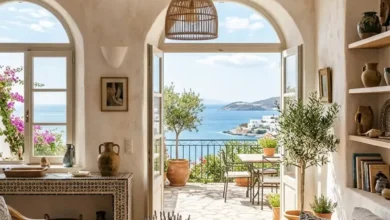
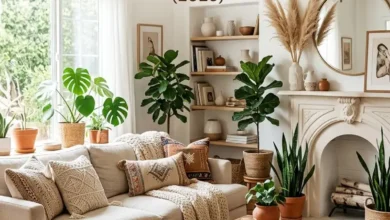
30 Indoor Garden Ideas to Transform Your Home Into a Lush Retreat (2026)

The indoor garden has officially become 2026’s defining home decor obsession — and the numbers are stunning. Pinterest’s Spring 2026 Trend Report flagged a 940% surge in “garden inspiration ideas” searches alongside continued strong growth in houseplant and indoor jungle content, making it the single fastest-growing category in all of home decor this year. The reasons are layered: a generation of renters who can’t plant a real garden, a wellness movement that has confirmed the genuine mental health benefits of being around plants daily, the broader slow-living trend that prizes natural materials over synthetic ones, and a growing recognition that plants are simply the cheapest, most beautiful, and most rewarding home decor on earth.
The 2026 indoor garden isn’t the chaotic plant-jungle of older Pinterest aesthetics either — it’s more curated, more architectural, and built around fewer-but-better statement plants rather than every cactus you can find at the garden centre. Whether you’re a complete beginner with one fiddle leaf fig, a propagating obsessive with a wall of cuttings, or somewhere in between, there’s an indoor garden idea here that fits your space, your light, and your level. We’ve gathered 30 of the most-saved, most photographed indoor garden designs of the season — pin your favorites and start growing your green retreat today.
1. Statement Floor Plants for Empty Corners
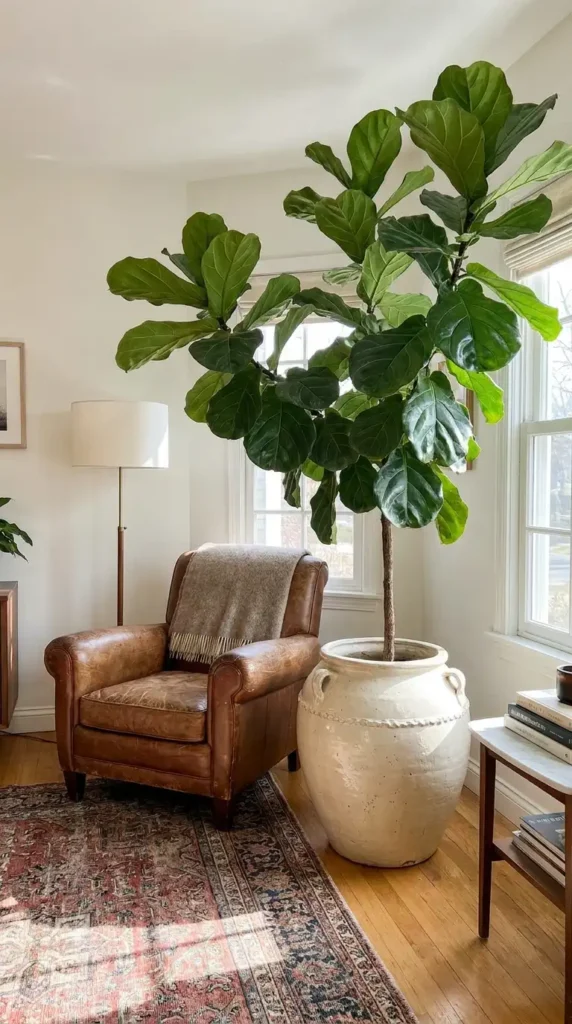
The fastest indoor garden upgrade: one large floor plant in every empty corner. A fiddle leaf fig, monstera deliciosa, bird of paradise, or large rubber plant in a generous ceramic floor pot transforms dead corner space into living architecture. Choose plants at least 120cm tall for genuine visual presence. The plant becomes the corner’s entire design statement — no other accessories required.
Trending Context — Statement floor plants have remained one of the most-saved Pinterest decor features into 2026, especially the fiddle leaf fig and bird of paradise which read architectural rather than cluttered. Choose plants suited to your light conditions — fiddle leaf needs bright indirect, snake plant tolerates low light. This single-plant approach pairs naturally with the Indoor Tree in Idea 5.
2. Vertical Plant Wall with Pocket Planting System
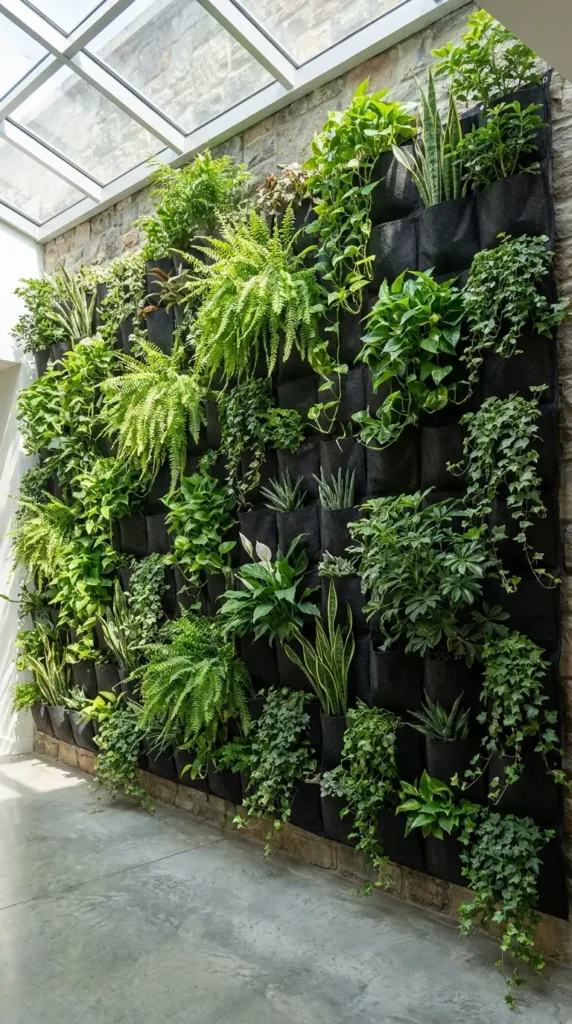
For maximum plants in minimum floor space, a vertical plant wall using pocket planters or wall-mounted modular systems transforms an entire wall into a living tapestry. Use felt or canvas pocket planters mounted directly to the wall, fill with a mix of trailing pothos at top (cascading down), upright philodendrons in the middle, and small ferns at the base. The whole wall becomes both art and air purifier.
Hero Product — Self-watering wall pocket systems eliminate daily watering chores — choose these for any plant wall over six pockets. Install over a waterproof backing to protect drywall. This vertical-garden approach connects to the Living Wall with Edible Herbs in Idea 14.
3. Kitchen Window Sill Herb Garden
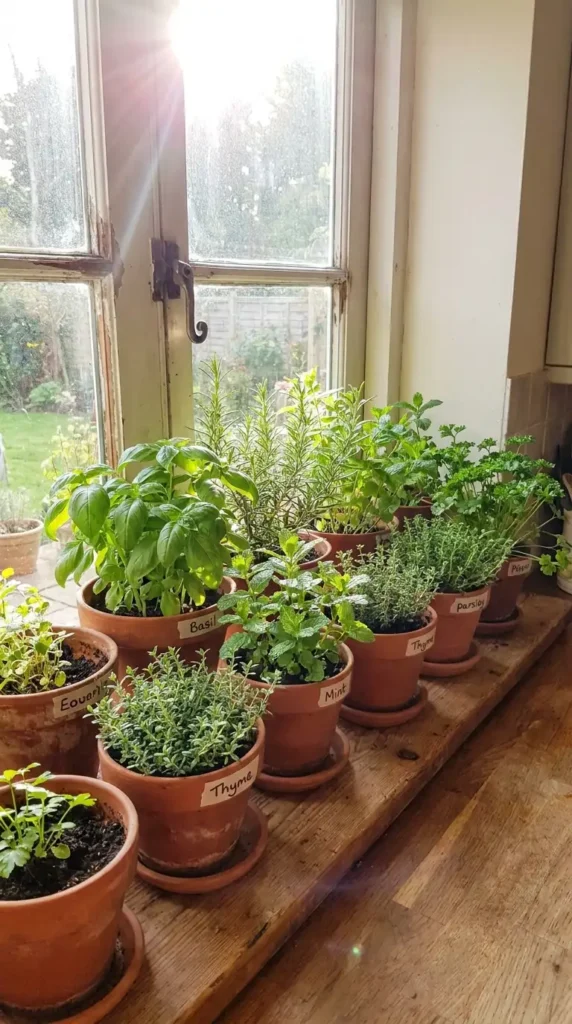
The kitchen window sill becomes the most functional indoor garden in any home. Line the sill with six to eight matching terracotta pots, each holding a different culinary herb — basil, rosemary, thyme, parsley, chives, mint, sage, oregano. Choose herbs you actually cook with; harvest with kitchen scissors as needed. The arrangement looks beautiful, delivers fresh herbs daily, and refreshes the kitchen air with natural scents.
Mood Match — Use matching pot sets (all terracotta, all cream ceramic, or all wood-toned) for visual cohesion. Real terracotta develops beautiful chalky patina with age and helps regulate moisture for the herbs. This functional approach pairs with our Modern Farmhouse Kitchen content.
4. Hanging Macrame Plant Hanger Cluster
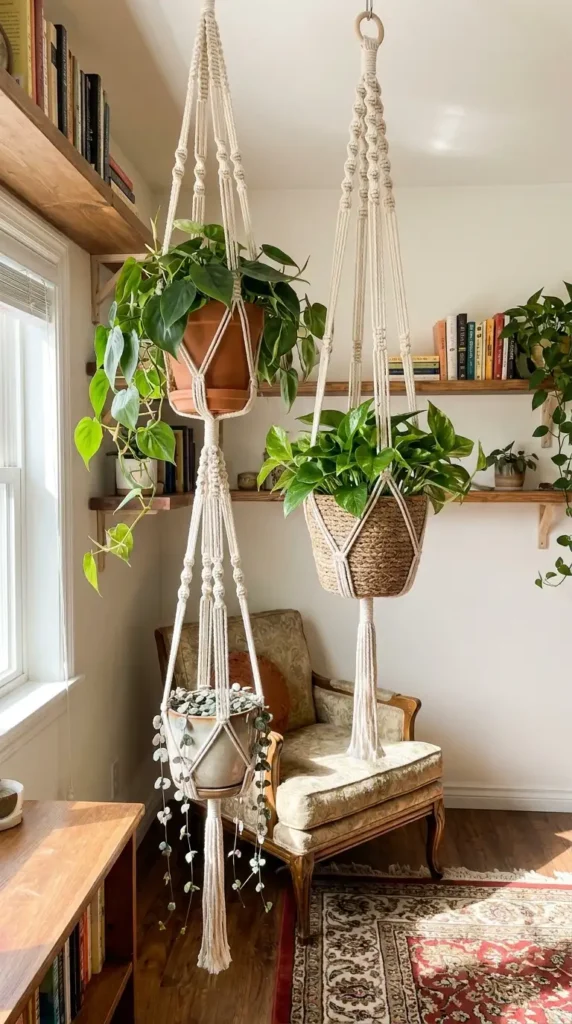
A cluster of three macrame plant hangers at staggered heights creates instant vertical drama in any room. Use natural cotton macrame (not brightly coloured synthetic versions), each holding a trailing plant — pothos, string-of-pearls, philodendron heartleaf, or burro’s tail. Hang from ceiling hooks anchored into beams or proper anchors. The macrame frames the plants without competing visually.
Style Tip — Choose three different lengths of macrame (60cm, 90cm, 120cm) to create proper visual rhythm. Hang in odd numbers for the most balanced display. The boho-leaning aesthetic here connects to the Boho Plant Display in Idea 19.
5. Indoor Tree as Living Sculpture
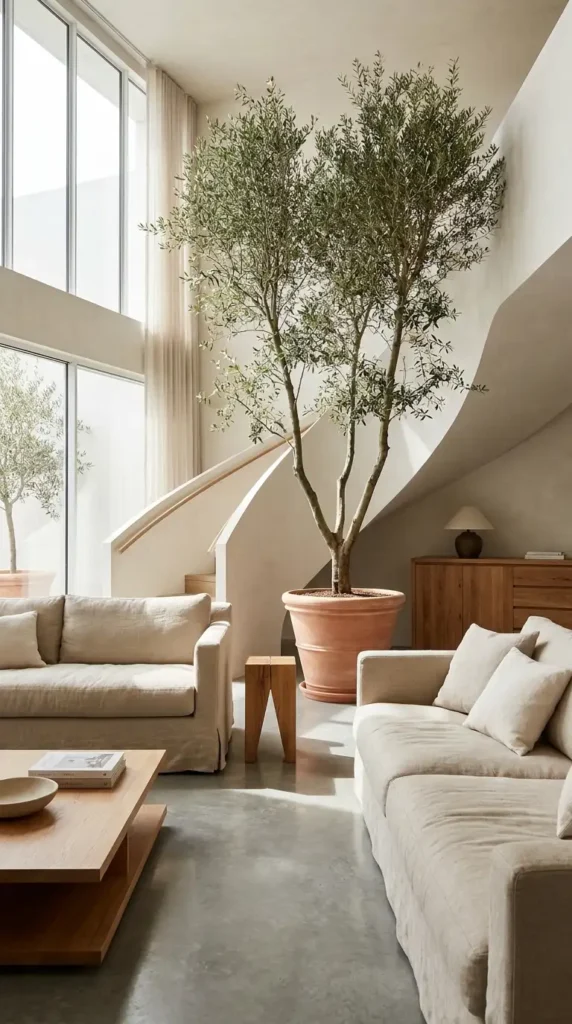
One mature indoor tree becomes the room’s sculptural anchor. Choose olive trees (silvery-green leaves, Mediterranean character), fiddle leaf figs (architectural, dramatic), or large rubber plants (low maintenance, glossy leaves). Plant in a generous ceramic or terracotta floor pot, position in a corner or beside a window, and treat the tree as a piece of furniture — the room is now designed around it.
Trending Context — Indoor olive trees have surged on Pinterest in 2026 as the broader Mediterranean and Japandi aesthetics emphasise restrained natural elements. Choose hardier indoor varieties; place in the brightest spot in the home. This architectural approach extends from the Statement Floor Plants in Idea 1.
6. Floating Plant Shelf with Trailing Vines
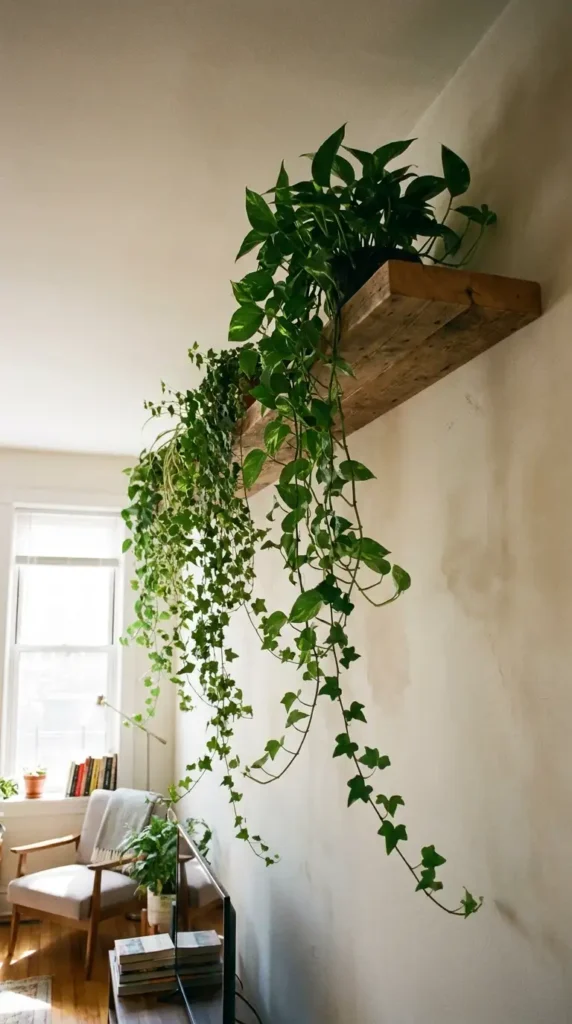
A single floating wood shelf mounted high on a wall, holding two or three trailing plants, creates dramatic cascading green that fills a room without taking floor space. The pothos, ivy, or string-of-hearts grows down the wall over months — eventually creating curtains of green. Choose shelves at least 80cm long, mount near ceiling height for maximum drop length.
Style Math — Trailing plants need 6-12 months to fully drape — be patient with new installations. Trim trailing vines slightly to encourage thicker, fuller growth. This vertical-trailing approach connects to the Plant Wall in Idea 2.
7. Tiered Plant Stand for Compact Spaces
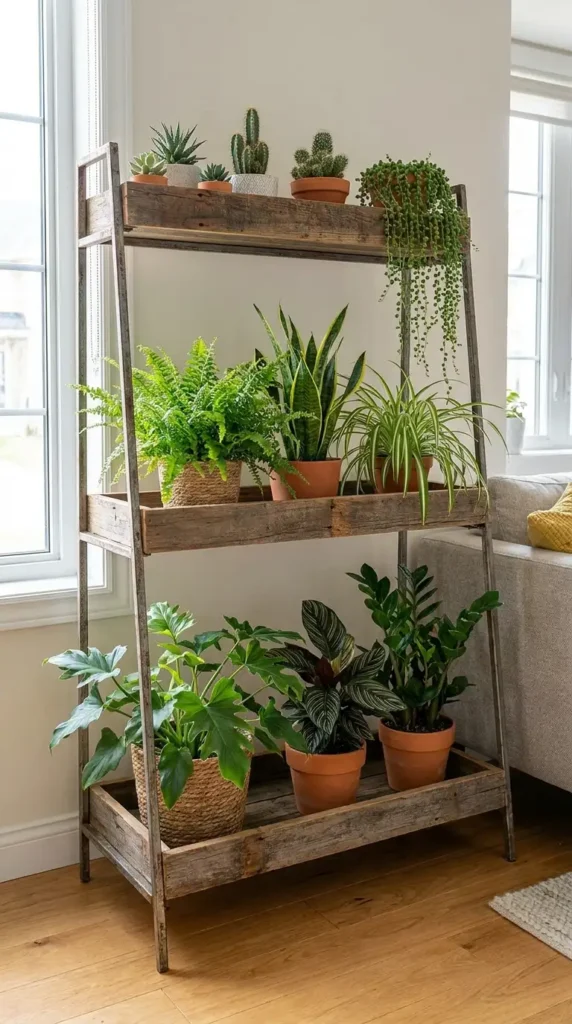
For maximising plants in tight floor space, a tiered plant stand displays five to nine plants in less than half a square metre. Choose stands in pale wood or matte black metal, with three to five levels at staggered heights. Place taller plants at the bottom, shorter and trailing at top. The whole arrangement reads intentional and curated rather than crowded.
Hero Product — Plant stands with built-in drainage trays catch water runoff and protect floors. Choose stands that hold pot sizes 10–20cm diameter — standard for most houseplants. This compact display connects to the Vintage Brass Pot Mix in Idea 26.
8. Bathroom Plant Sanctuary with Humidity-Loving Plants
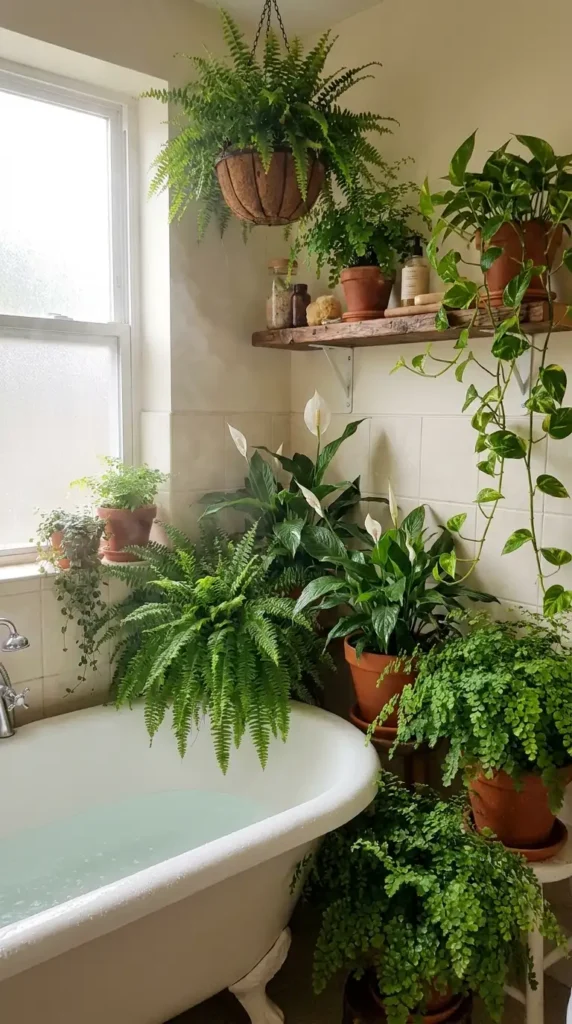
The bathroom is the secretly best room for plants — high humidity from showers and baths creates tropical conditions that most houseplants love. Cluster three or four humidity-loving plants near the shower or bath: Boston ferns, peace lilies, prayer plants, calathea, pothos, philodendrons. Add eucalyptus bunches hanging from the showerhead for natural aromatherapy. The bathroom becomes a spa-jungle.
DIY Hack — Mount small wooden or ceramic shelves at varying heights in the shower area for cascading plant displays. Use plants that tolerate occasional water splashing. This botanical bathroom approach pairs with our Spa Bathroom content.
9. Plant-Filled Reading Nook
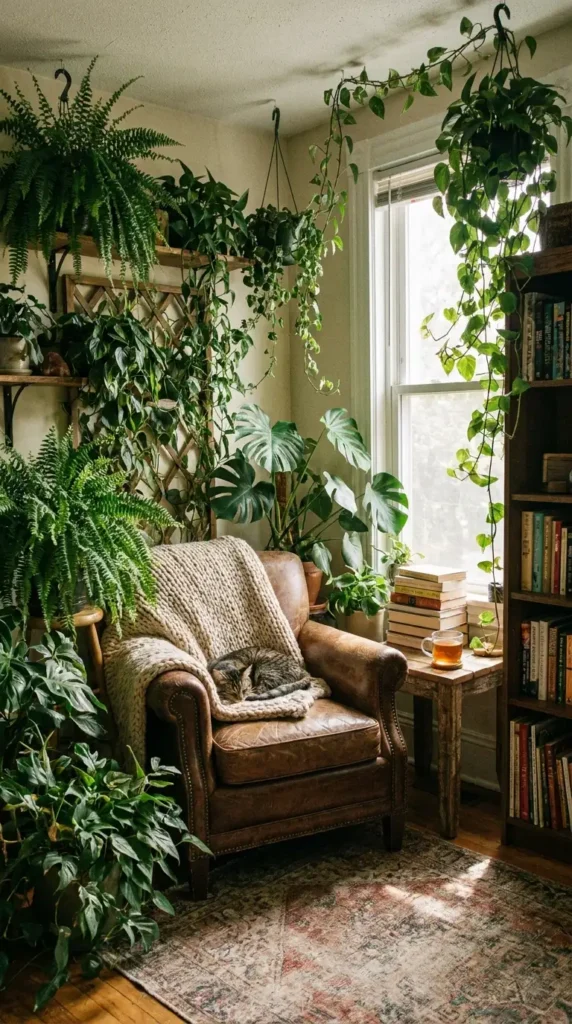
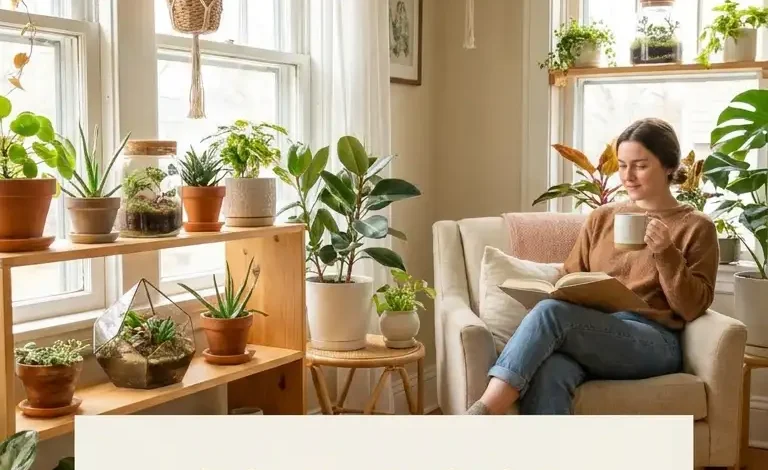
The reading nook becomes a small indoor garden by surrounding the seating with plants. Place one large floor plant behind or beside the chair, two or three medium plants on small side tables and stools, one hanging plant from the ceiling above, and a trailing plant on a wall shelf. The cluster creates the feeling of reading in a botanical garden — measurably more restorative than reading in a plant-free corner.
Mood Match — Plants near reading spots improve focus and mood according to design studies. Choose calming plants like peace lily, snake plant, or olive tree rather than spiky cacti for the most restorative effect. This green-sanctuary approach extends from our broader reading nook content.
10. Minimalist One-Plant-Per-Room Approach
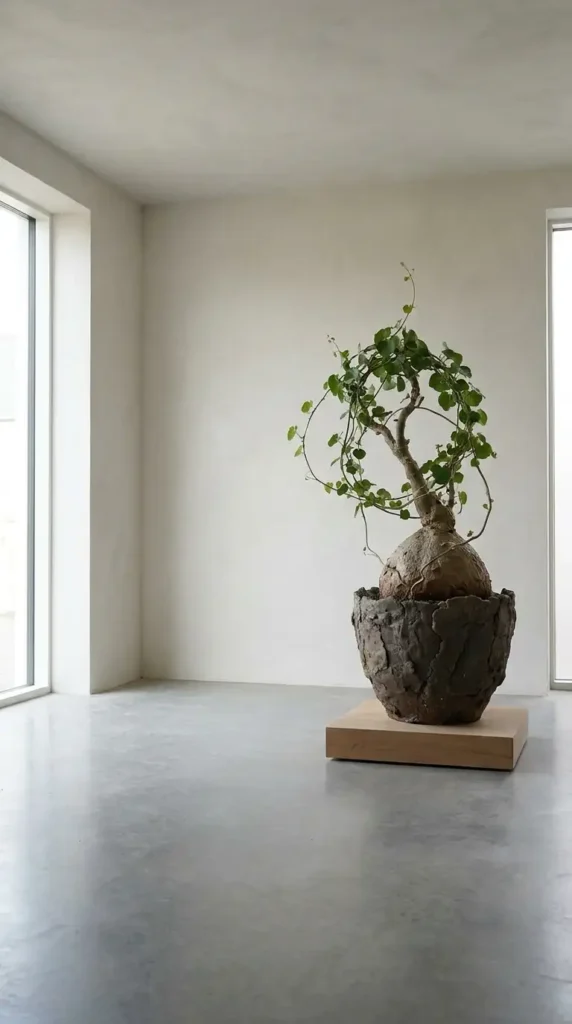
The Japandi-aligned minimalist approach: one carefully chosen plant per room, displayed in a beautiful pot, with nothing else competing. The single plant becomes the entire decorative element in the space — a fiddle leaf in the living room, a single olive branch in the bedroom, one peace lily in the bathroom. The restraint reads intentional and lets each plant be properly appreciated rather than lost in a crowd.
Style Math — Choose pots that complement room palettes (matte cream, sand, sage, charcoal) — never bright colours that compete with the plant. The pot is as important as the plant itself in minimalist setups. This restrained approach is the polar opposite of the Indoor Jungle in Idea 11.
11. Indoor Jungle Living Room
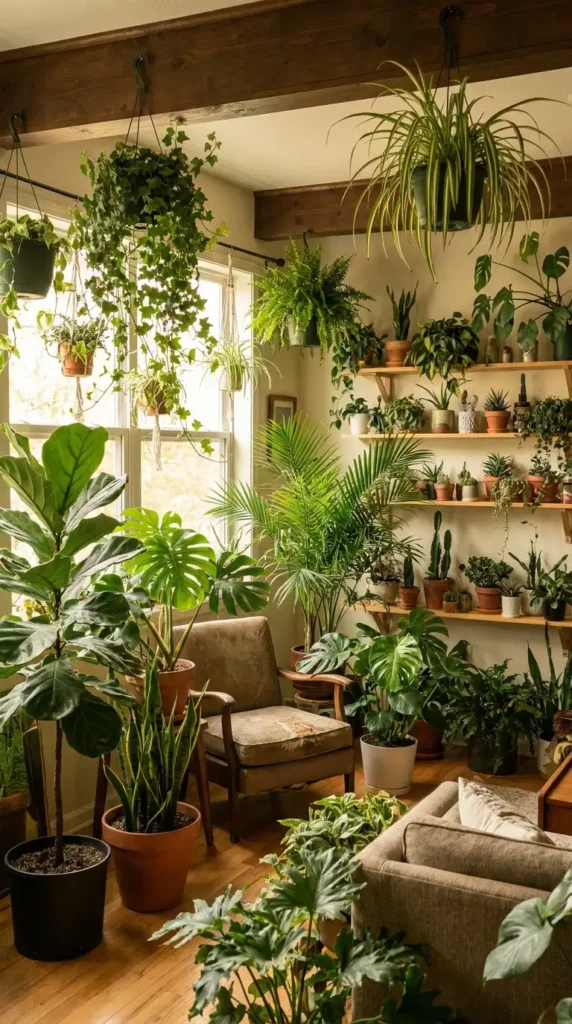
For maximum plant commitment, the indoor jungle living room layers plants throughout. Three to five large floor plants distributed across the room, two or three hanging plants suspended from ceiling hooks, four to six medium plants on shelves and side tables, and trailing plants cascading from elevated surfaces. The whole room reads botanical greenhouse rather than living room — and somehow feels both wilder and more peaceful than minimalist spaces.
Trending Context — Indoor jungle aesthetics have remained one of the most-saved Pinterest plant searches into 2026, especially among renters who can’t make permanent home changes. Mix plant types for visual variety and to protect against single-species pest issues. This maximalist approach pairs with the Bohemian Plant Display in Idea 19.
12. Plant Propagation Station Display
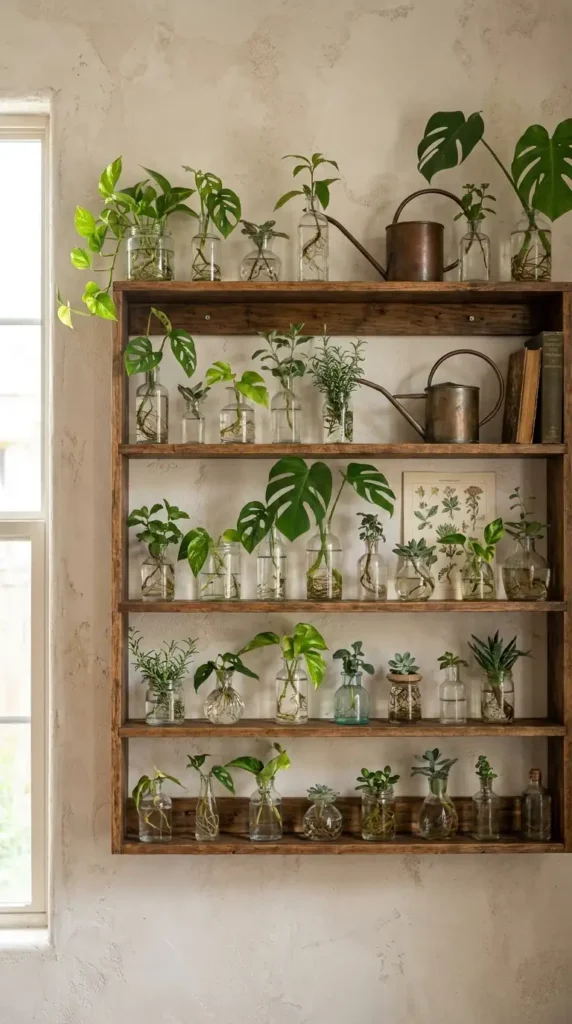
The propagation station has become 2026’s defining plant decor trend. Display six to twelve small glass vases (test tube vases, vintage apothecary bottles, or simple glasses), each holding a single plant cutting rooting in water. Pothos, philodendron, monstera, tradescantia, and string-of-hearts all root easily in water. The display becomes both decoration and ongoing plant production for future displays or gifts.
DIY Hack — Wall-mounted propagation stations with built-in test tube holders are widely available. Or use a simple wooden shelf with vintage bottles lined up. Change water weekly to keep cuttings healthy. This curated approach connects to the Modern Plant Display in Idea 21.
13. Window Sill Succulent Garden
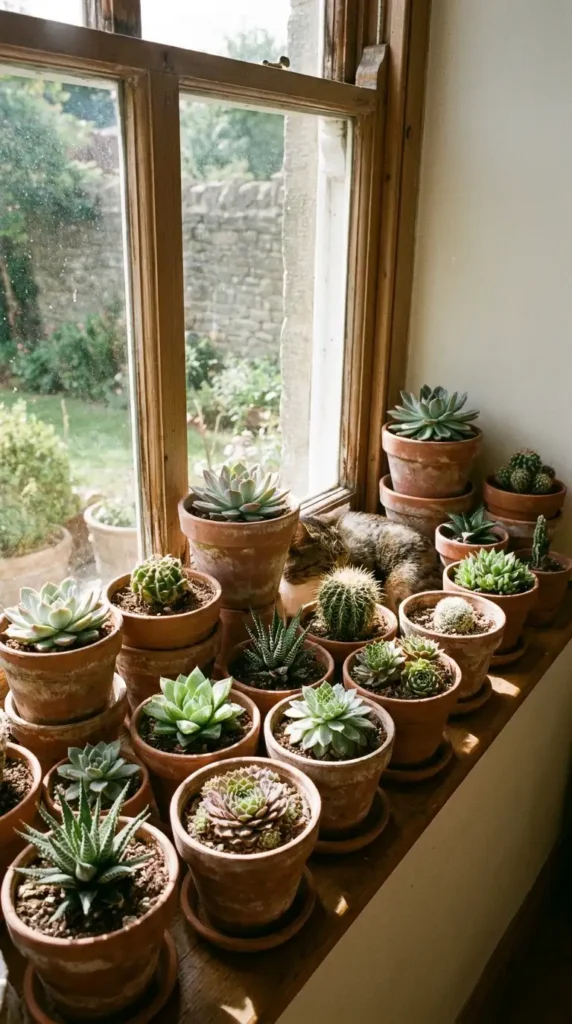
For bright south or west-facing windows, a succulent garden delivers the most low-maintenance indoor plants possible. Line the window sill with six to ten small succulents in matching terracotta pots — echeveria, jade plant, haworthia, sedum, aloe, prickly pear pads. Water sparingly (once every 2-3 weeks), pot in gritty cactus mix. The arrangement requires almost no care while looking constantly beautiful.
Style Tip — Choose succulents in varying colours and shapes for visual interest — silver, deep red, blue-green, pink-tipped. Avoid overwatering, which is the only common way to kill succulents. This low-maintenance approach pairs with the Bonsai Display in Idea 16.
14. Living Wall with Edible Herbs
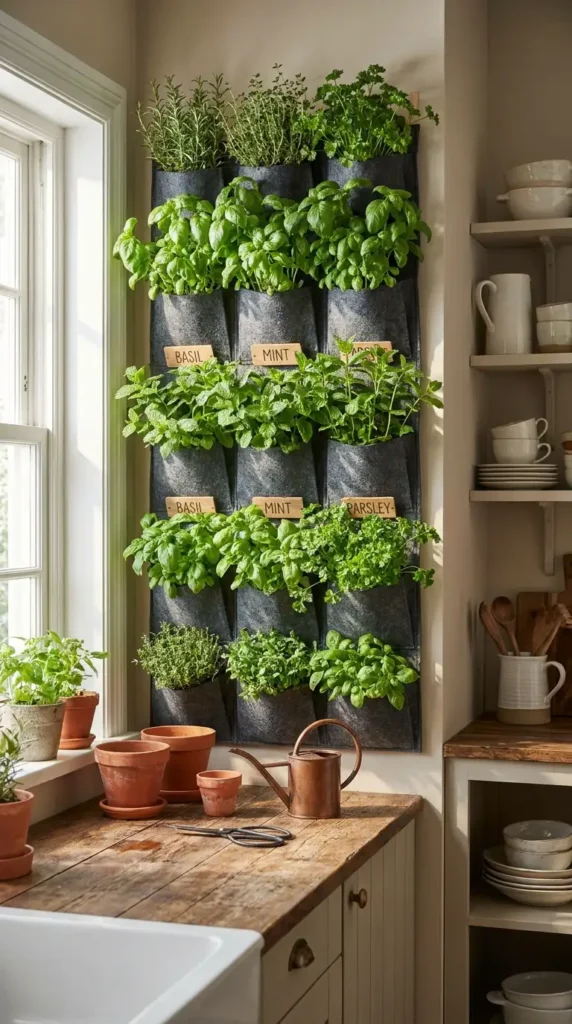
For kitchens with wall space, an entire wall of edible herbs delivers both decoration and constant fresh ingredients. Use pocket planter systems or modular herb wall systems specifically designed for vertical growing. Plant basil, mint, parsley, chives, oregano, thyme, cilantro, and rosemary. Position in the brightest part of the kitchen. Harvest daily with kitchen scissors
Hero Product — Choose self-watering vertical garden systems with built-in irrigation for genuinely usable herb walls — manual watering of vertical systems is impractical for serious gardening. This functional wall extends from the Kitchen Herb Garden in Idea 3.
15. Hydroponic Indoor Garden System
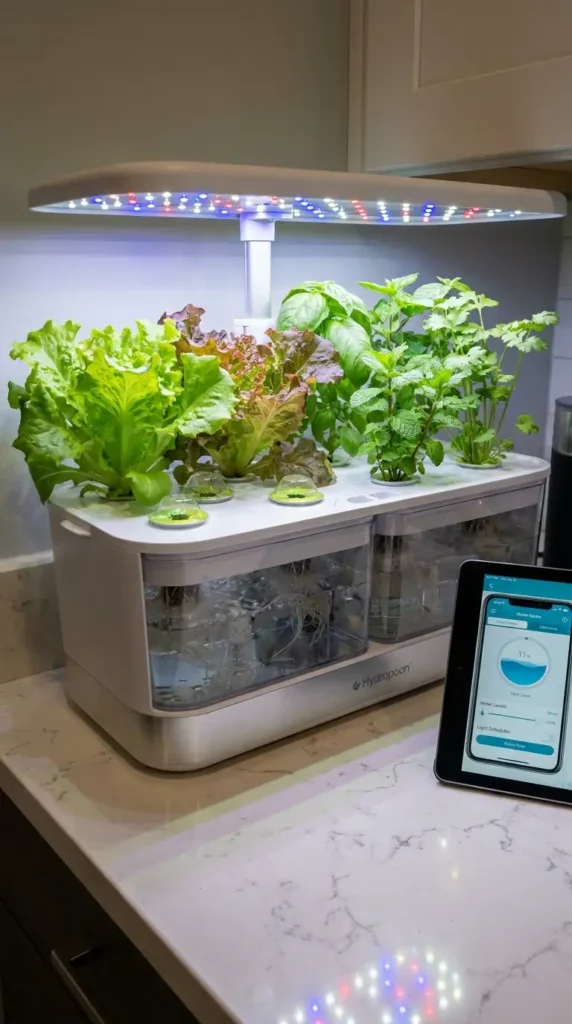
For tech-forward plant lovers, hydroponic indoor garden systems grow vegetables, herbs, and even small fruits year-round without soil. Compact countertop units (like Aerogarden, Click & Grow, or Lettuce Grow) use LED grow lights and water-based growing to produce fresh greens, herbs, and tomatoes weekly. Place on counter or dedicated shelf. The system is part decor, part indoor farm.
Trending Context — Hydroponic systems have surged on Pinterest in 2026 as audiences seek to grow food at home while urban gardening becomes increasingly popular. Choose systems sized to your countertop space and growing needs. This modern approach connects to the Vertical Herb Wall in Idea 14.
16. Bonsai Tree Display Corner
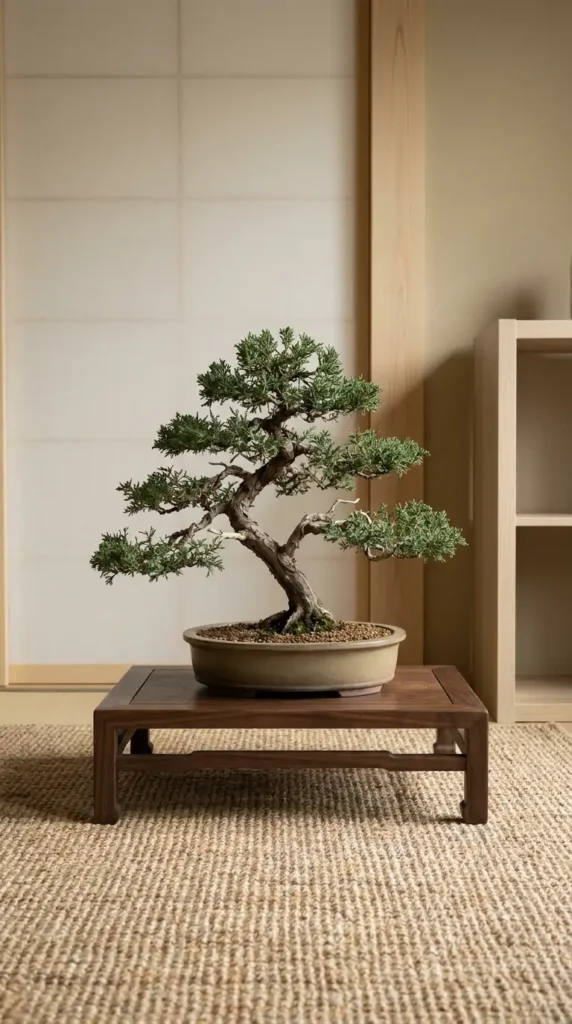
The bonsai represents the ultimate restraint in indoor gardening — one tiny perfectly-pruned tree as an entire design statement. Display on a low wooden stand or table, against a quiet wall, with no other plants competing nearby. The bonsai requires daily attention but rewards with decades of relationship and visual perfection. Best for patient plant lovers.
Mood Match — Choose easier indoor bonsai varieties for beginners (ficus, jade, Chinese elm) rather than challenging outdoor species (juniper, pine). Position in bright indirect light, water when topsoil dries. This meditative approach connects to the Japandi Plant Approach in Idea 20.
17. Home Office Plant Setup for Productivity
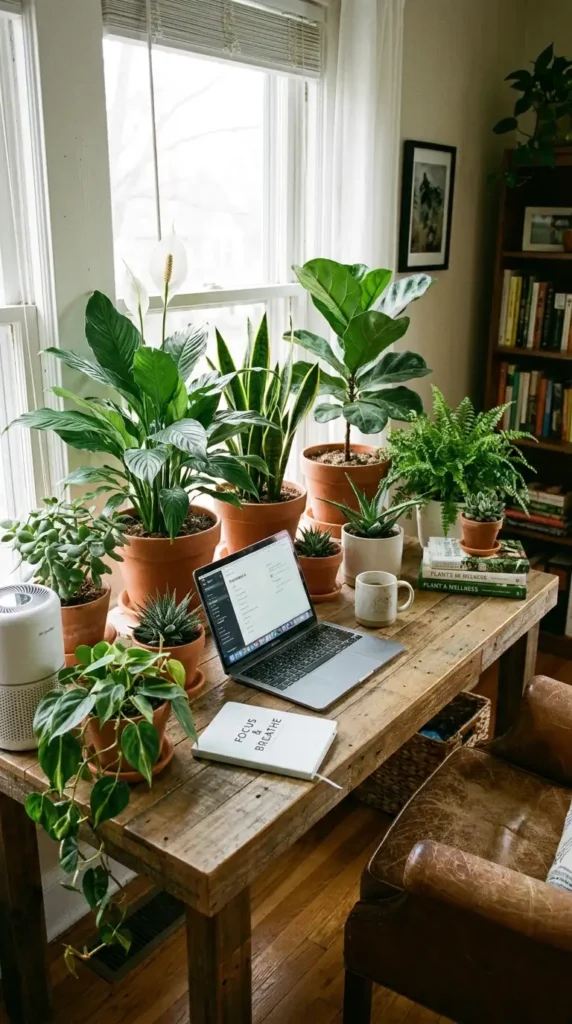
The home office benefits measurably from plants — studies show plants near workstations improve focus, reduce stress, and clean the air of common indoor pollutants. Add one medium floor plant beside the desk, two small plants on the desk top, and one trailing plant from a shelf above. Best office plants: snake plant, pothos, ZZ plant, peace lily, and spider plant — all low-maintenance and air-purifying.
Style Tip — Plants that tolerate fluorescent or LED office lighting include snake plants, ZZ plants, and pothos. Add a small grow light if natural light is minimal. This wellness approach pairs with our Cozy Home Office content.
18. Modern Plant Pot Collection in Matching Tones
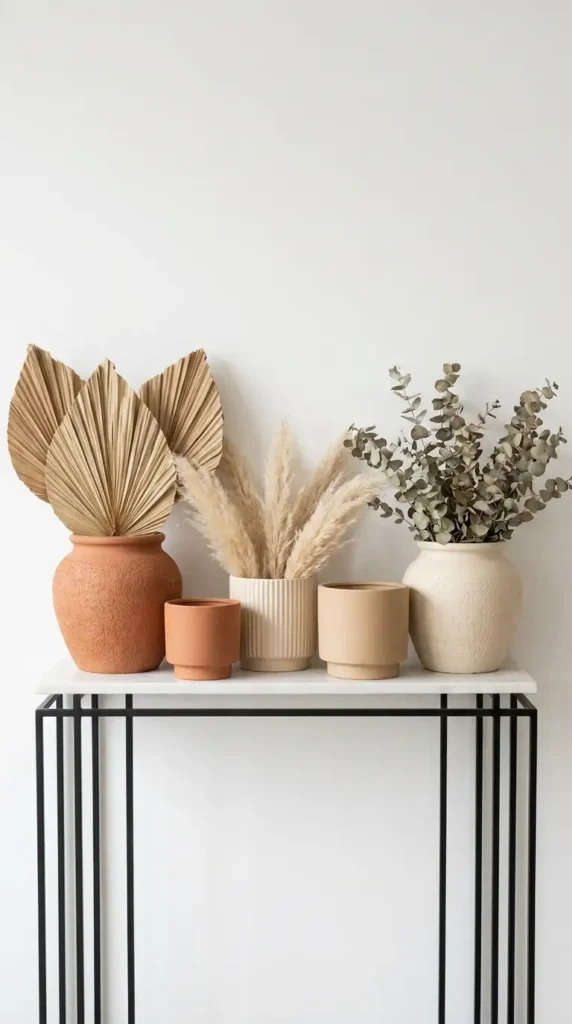
For modern interiors, the plant collection reads design-forward through cohesive pots rather than matched plants. Choose seven to nine pots in a tight palette (all cream, all terracotta, all sand-tone ceramic, or all matte black), in varying heights and shapes. Plant with varied plant types — different leaf shapes and textures create variety, while matching pots tie the whole collection together visually.
Style Math — Limit to three to five pot styles for cohesion. Mix sizes within each style — small, medium, large — for visual rhythm. This curated approach connects to the Vintage Brass Pots in Idea 26.
19. Boho Plant Display with Macrame and Rattan
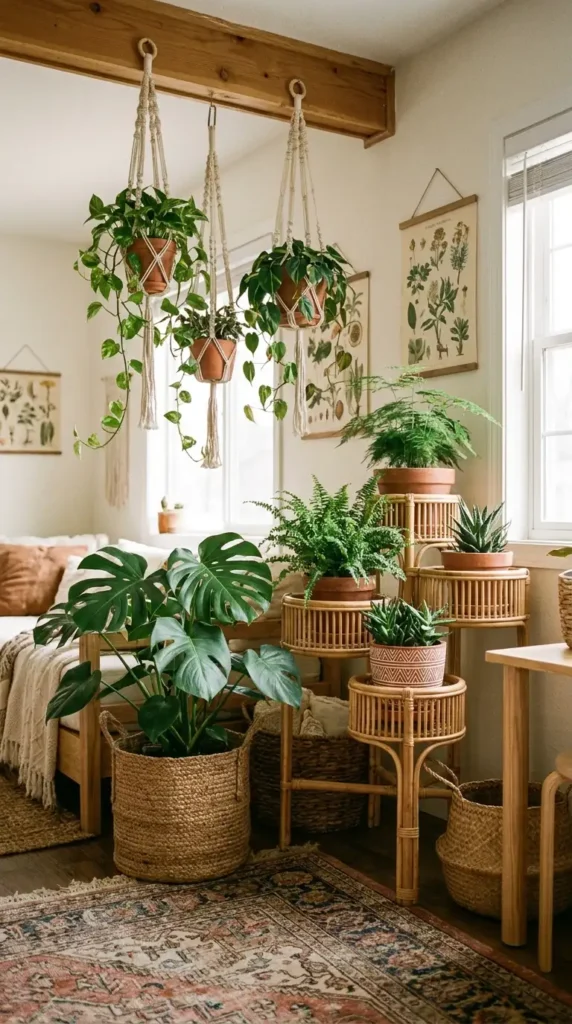
The boho indoor garden layers natural fibres throughout. Plants in woven seagrass baskets on the floor, macrame plant hangers from the ceiling, rattan plant stands holding medium plants, and small plants in terracotta or hand-thrown ceramic pots on shelves. Mix textures heavily — the variety reads boho-collected rather than boho-chaotic.
DIY Hack — Woven plant baskets often come with plastic liners that hold standard plastic nursery pots — slip the nursery pot inside the basket and elevate slightly with a small dish. This layered approach connects to the Indoor Jungle in Idea 11.
20. Japandi Plant Approach with Single Branch
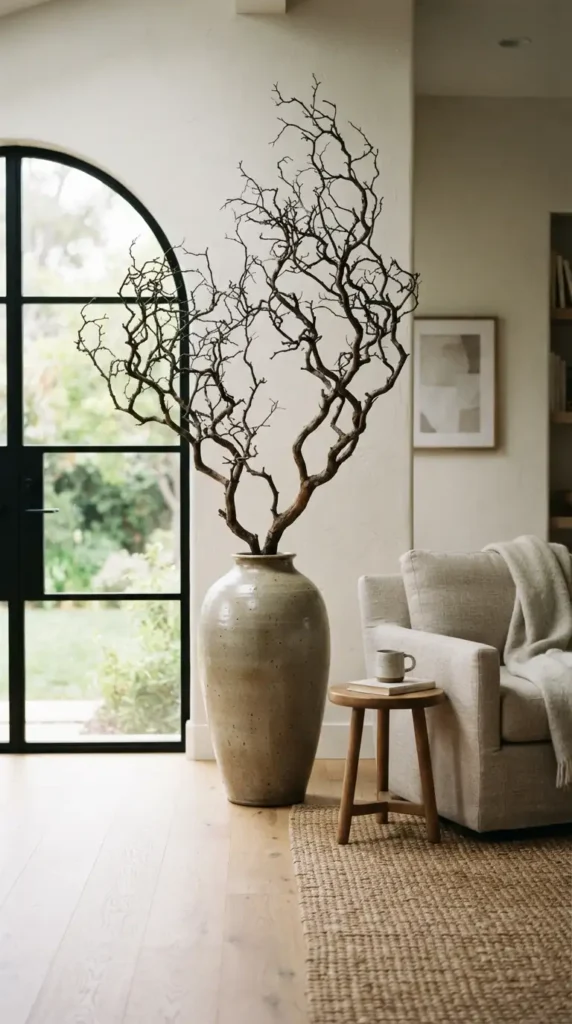
The Japandi indoor garden often skips live plants entirely in favour of a single dramatic branch in a tall ceramic vase. A cherry blossom branch, a striking bare winter branch, a magnolia stem, or a sculptural eucalyptus piece becomes the only “plant” in the room. The restraint reinforces the Japandi philosophy of doing more with less. Replace seasonally for visual freshness.
Hero Product — Source dramatic branches from florists, garden centres, or your own outdoor pruning. Choose vessels at least 60cm tall for proper scale with substantial branches. This restrained approach extends from our Japandi Living Room content.
21. Plant-Filled Sunroom or Conservatory
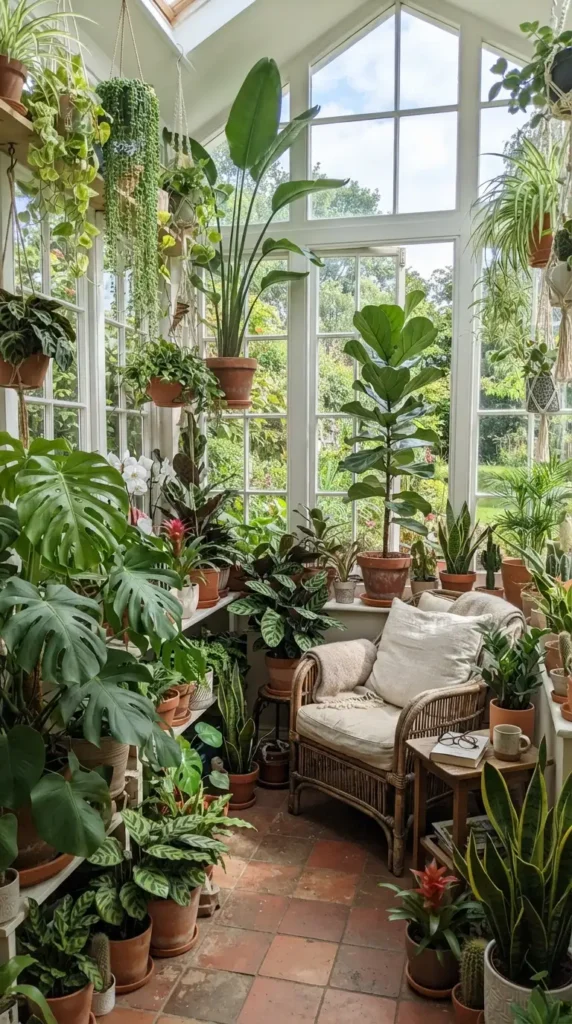
For homes with sunrooms or glass conservatories, the entire room becomes a dedicated indoor garden. Large floor plants throughout, hanging plants from the ceiling, plant stands and tiered displays along walls, comfortable seating amongst the plants for daily enjoyment. The sunroom evolves into a personal botanical garden you can sit in, read in, and enjoy daily.
Trending Context — Conservatory and sunroom searches have grown on Pinterest in 2026 as audiences invest more in dedicated plant-focused spaces. South or east-facing rooms work best for plant-heavy use. This dedicated-space approach is the maximalist extension of the Indoor Jungle in Idea 11.
22. Stairway Hanging Plant Display
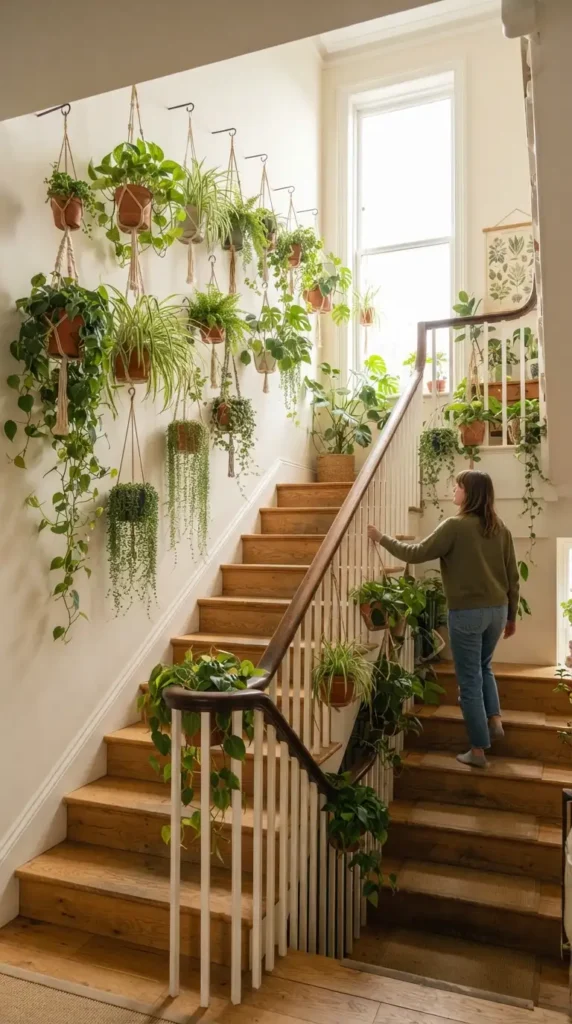
The stairway becomes a vertical gallery for hanging plants. Suspend three to five plants at staggered heights along the stairwell — typically over the staircase opening or beside the banister. Choose trailing plants (pothos, string-of-pearls, ivy) for cascading drama, or upright plants (smaller fiddle figs, philodendrons) for sculptural variety. The stairway transforms into a green corridor.
Style Tip — Mount plants from secure ceiling anchors rated for at least 5kg per plant including pot and soil. Use plants that don’t drop leaves frequently — fallen leaves on stairs become safety hazards. This vertical approach pairs with the Plant Wall in Idea 2.
23. Bedroom Plant Wall Behind the Bed
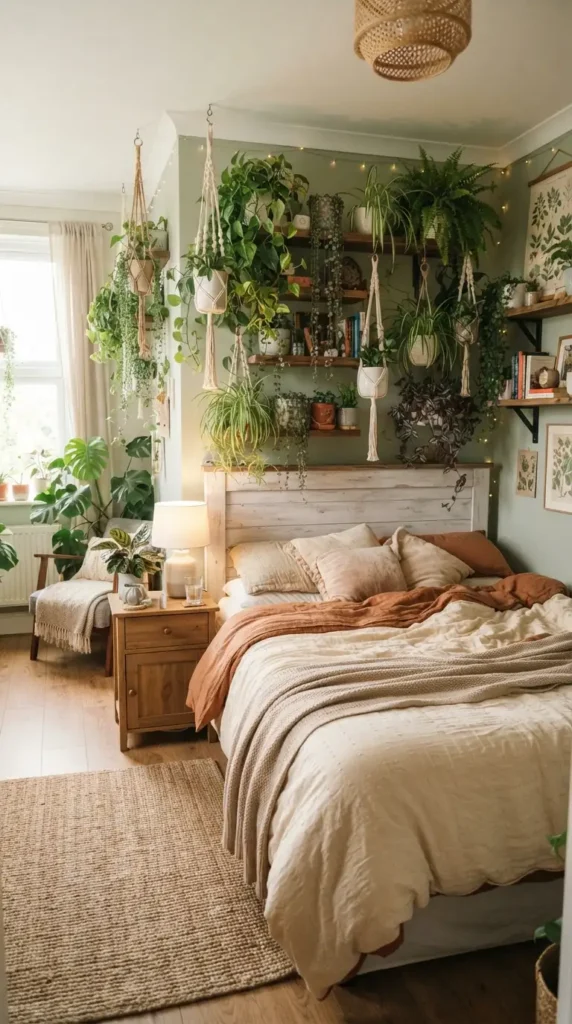
The bedroom plant display turns the wall behind the bed into a living headboard. Mount two or three floating shelves at varied heights, fill with trailing plants that cascade down, add one or two larger plants in pots on the shelves, and one floor plant beside the bed. The greenery becomes the bedroom’s entire decorative statement. Choose air-purifying plants for genuine sleep benefits.
Mood Match — Best bedroom plants: snake plant (releases oxygen at night), peace lily (purifies air), spider plant (low maintenance), pothos (forgiving). Avoid heavily fragrant plants in bedrooms — overwhelming scent during sleep. This calming approach connects to our Sage Green Bedroom content.
24. Cottagecore Indoor Garden with Vintage Pots

For cottage-romantic interiors, the indoor garden uses vintage and antique vessels rather than modern ceramic pots. Plant herbs and small flowers in vintage ironstone pitchers, antique chamber pots, or hand-thrown ceramic bowls. Mix wildflowers and herbs (lavender, rosemary, geraniums, ivy) with traditional houseplants. Display on weathered wood furniture or vintage plant stands.
DIY Hack — Source vintage vessels from estate sales, charity shops, and marketplaces. Drill drainage holes in solid-bottom pieces or use plastic nursery pots inside as removable liners. This warm romantic approach pairs with our broader cottagecore content.
25. Modern Minimalist Plant Display
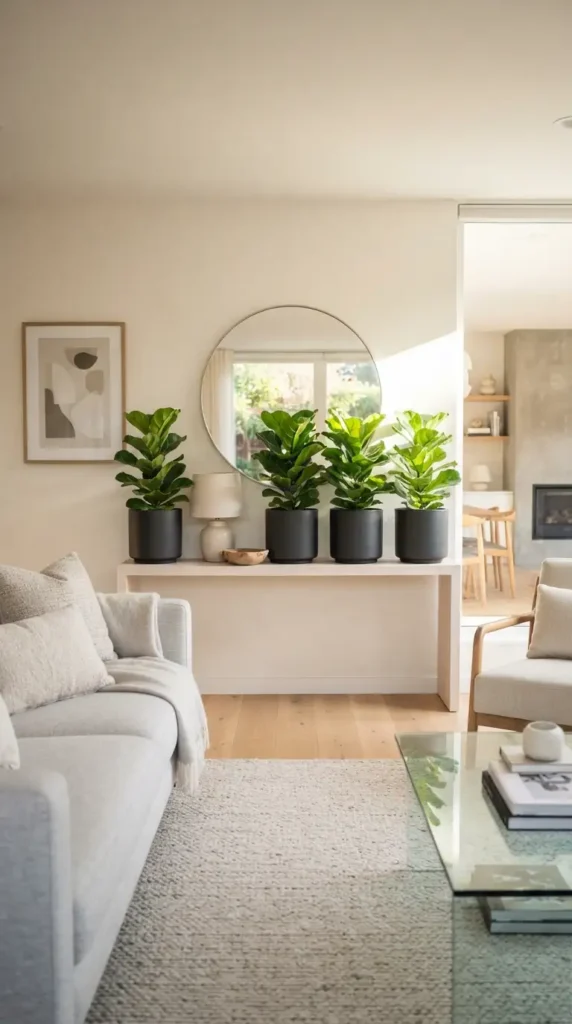
For ultra-modern interiors, the indoor garden reduces to three plants in identical pots, displayed in deliberate arrangement. Three matching cream or matte black ceramic pots on a wooden console table, each holding a different but visually-cohesive plant. The symmetry and matching pots read sharply designed rather than collected. Less plants, more impact.
Style Math — Choose pots in identical material, shape, and colour — only plant variation differs. The repetition creates visual rhythm. This restrained modern approach is the polar opposite of the Boho Plant Display in Idea 19.
26. Vintage Brass and Terracotta Pot Collection
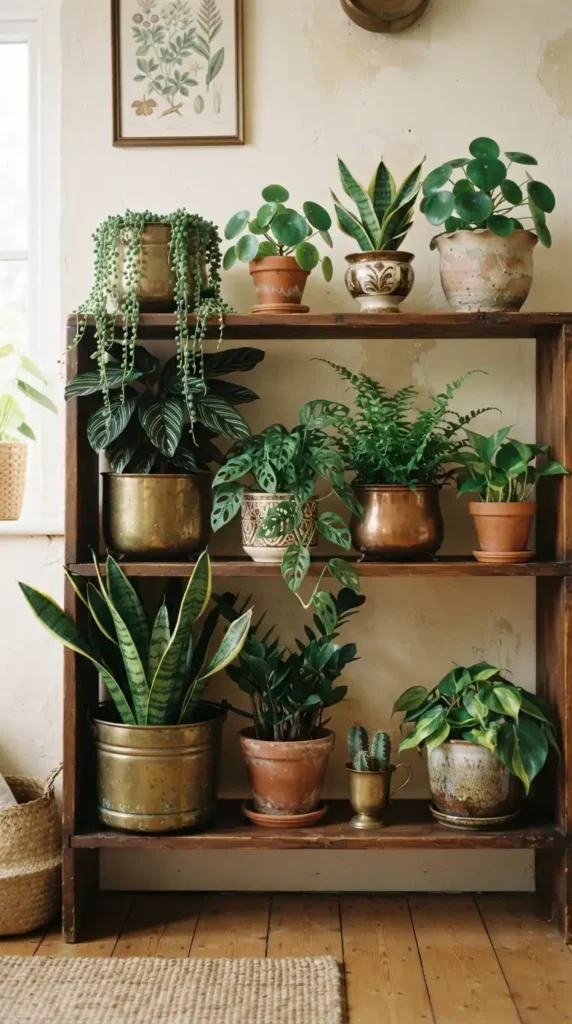
For collected-over-time aesthetic, mix plant pots in different materials, eras, and finishes — vintage brass, weathered terracotta, hand-thrown ceramic, ironstone, and one or two modern matte black pieces for contrast. The variety reads gathered over years (because it should be) rather than purchased in a matching set. Source individual pieces from estate sales, antique shops, and independent makers over months.
Hero Product — Vintage brass planters often have beautiful patina that complements green plants perfectly. Look for pieces with original pad bases to protect surfaces. This eclectic approach connects to the Cottagecore Indoor Garden in Idea 24.
27. Plant-Filled Window Seat Reading Spot
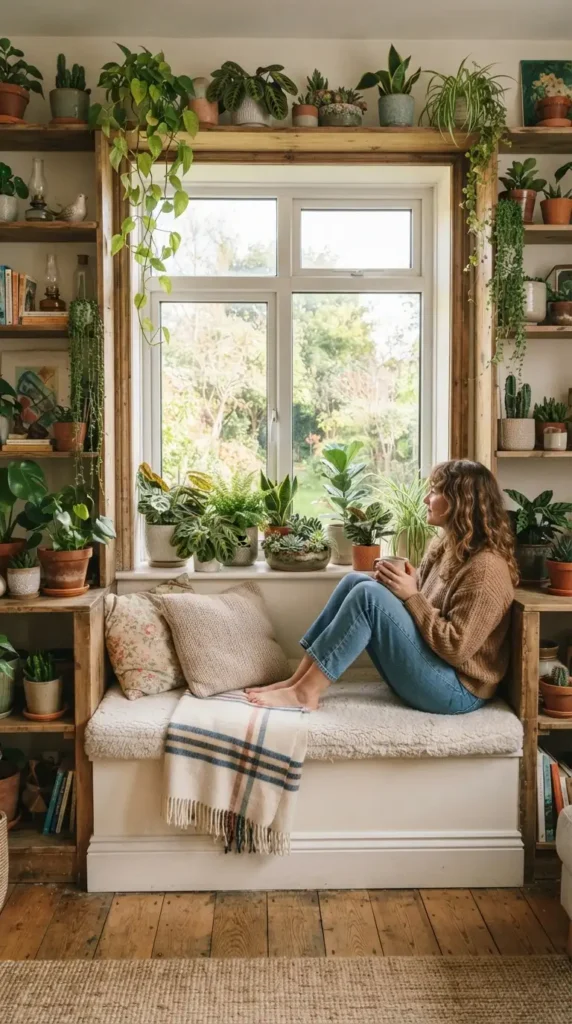
The window seat becomes a small botanical garden you sit inside. Line the window sill with five to seven small plants (succulents in sunny windows, ferns in less direct light), add two or three larger plants on the floor flanking the seat, and one hanging plant from above the window. Settle into the seat with a book and feel like you’re reading in a Victorian conservatory.
Trending Context — Plant-filled window seats have surged on Pinterest in 2026 as the broader reading nook trend combines with the indoor garden movement. Bright south or east-facing windows work best for plant-heavy installations. This combined approach extends from our reading nook content.
28. Tropical Statement Plant Corner
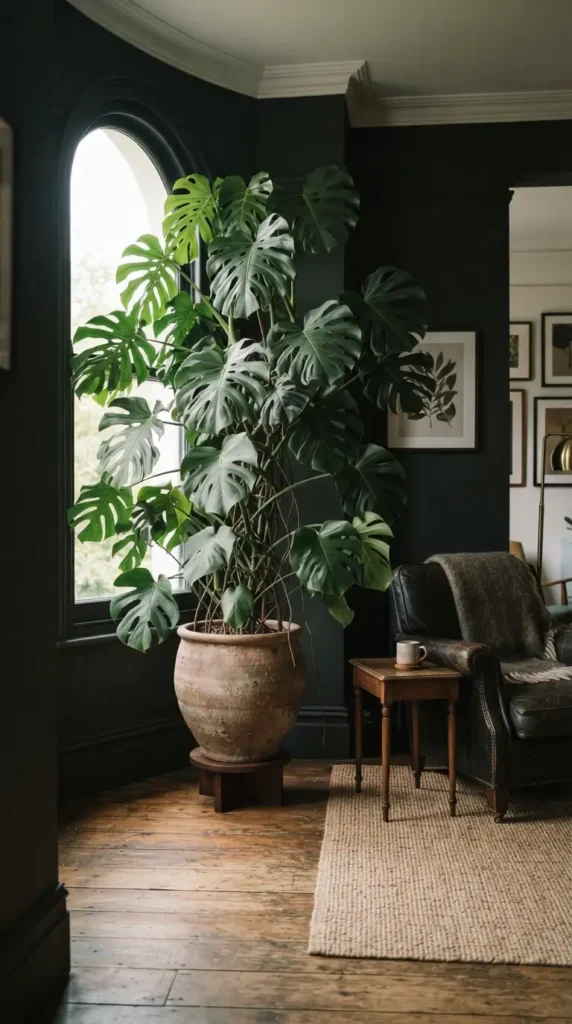
One mature tropical statement plant in a corner becomes the room’s entire personality. Monstera deliciosa (with its dramatic split leaves), bird of paradise (with its banana-leaf-like fronds), or large alocasia all read instantly tropical and instantly architectural. Choose plants at least 150cm tall for proper visual impact. Pot in cream, terracotta, or matte black floor vessels.
Style Tip — Monsteras require support as they mature — install a moss pole inside the pot for the plant to climb. Bird of paradise needs the brightest possible indoor light. This single-plant drama is the architectural equivalent of the Indoor Tree in Idea 5.
29. Plant Display in Vintage Wooden Crates
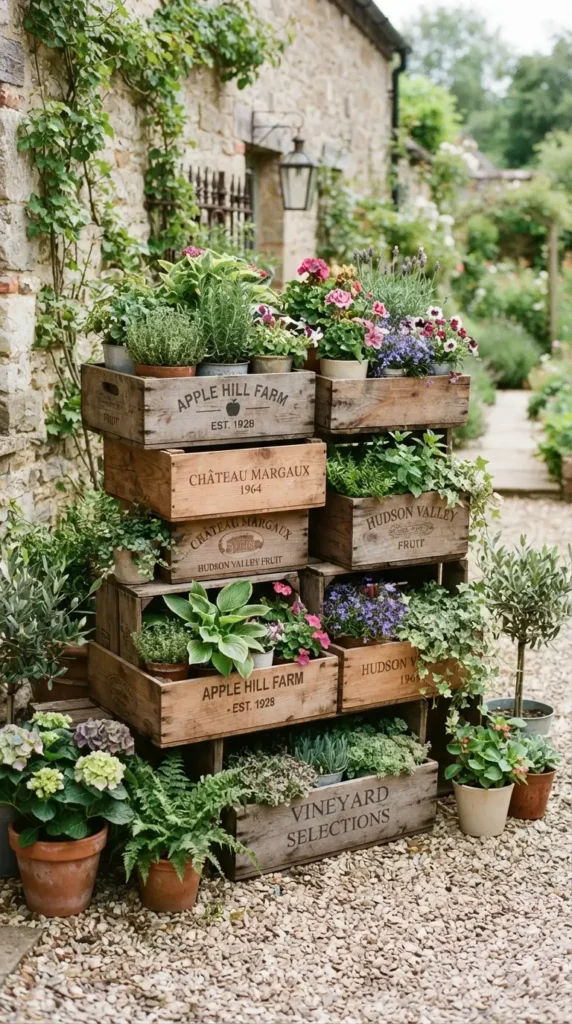
Vintage wooden apple crates, wine crates, or seed boxes become rustic plant display pieces. Stack two or three crates of varying sizes against a wall, fill each with three or four small to medium potted plants. The wood patina contrasts beautifully with the green leaves, and the crates can be moved easily for cleaning or rearranging. Source from farmers’ markets, vintage shops, or estate sales.
DIY Hack — Add wheels to the largest crate at the bottom for mobile plant display that can be repositioned for cleaning or seasonal light changes. Line crates with plastic to protect against water damage. This rustic approach connects to the Cottagecore Garden in Idea 24.
30. Curated Plant Vignette on Console Table
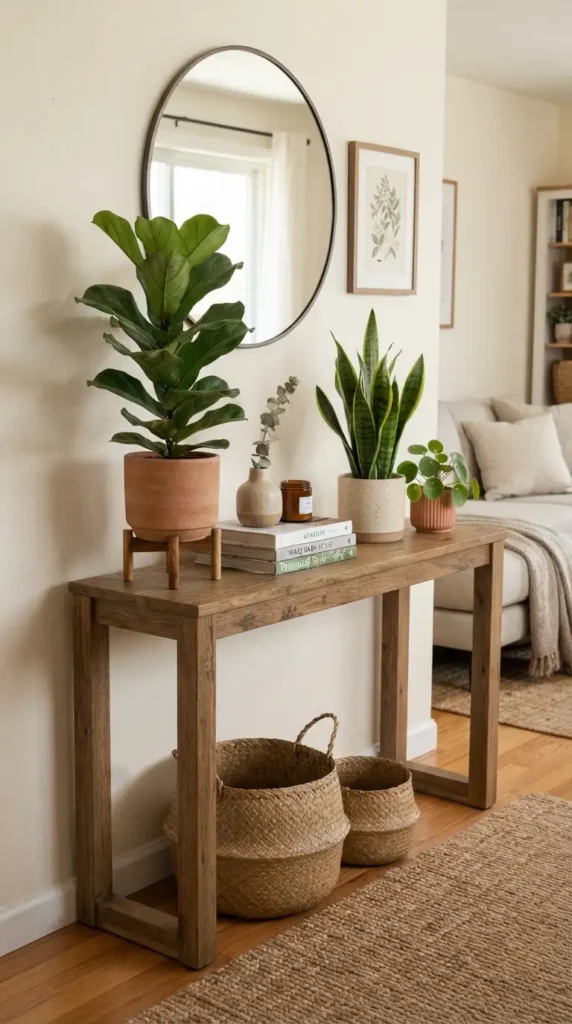
The console table or sideboard becomes a styled plant vignette. Three plants in varying heights (one tall floor-stand variety, one medium tabletop, one trailing) arranged on the table along with one stack of two or three books, one small ceramic vessel or sculpture, and one framed art piece leaning behind. The arrangement reads as designed still-life rather than random plant placement.
Hero Product — Group plants by similar care requirements (all light-loving, all humidity-loving) on the same vignette so watering schedules align. This curated approach closes the design loop with the Modern Plant Display in Idea 25.
Frequently Asked Questions About Indoor Gardens
What are the easiest plants for indoor gardening beginners?
The top beginner-friendly indoor plants are: pothos (tolerates almost any light and infrequent watering), snake plant (thrives on neglect), ZZ plant (low light, drought tolerant), spider plant (forgiving and prolific), philodendron heartleaf (trailing and tolerant), and peace lily (tells you when it needs water by drooping). All survive irregular watering schedules and average indoor light. Start with two or three of these before adding more challenging varieties.
How often should I water indoor plants?
The biggest indoor plant killer is overwatering, not underwatering. Most houseplants need watering when the top 2-3cm of soil feels dry — typically every 7-14 days depending on plant type, pot size, and humidity. Succulents and cacti need water every 2-3 weeks. Always check soil moisture before watering rather than following a fixed schedule. Use the finger test (insert finger 3cm into soil) or buy a small moisture meter.
What plants work best in low-light apartments?
For genuinely low-light spaces (north-facing windows, rooms with few windows), the best performers are: snake plant, ZZ plant, pothos, philodendron heartleaf, peace lily, cast iron plant, parlor palm, and Chinese evergreen. Avoid fiddle leaf figs, succulents, cacti, herbs, and most flowering plants in low-light conditions — they will slowly decline regardless of care.
How do I keep my indoor plants alive while travelling?
For trips up to two weeks: water thoroughly before leaving, move plants away from direct sun (reduces water loss), group plants together (creates humidity), and consider self-watering globes for thirsty plants. For longer trips, use self-watering planters, ask a friend to water weekly, or invest in automated watering systems with timers. Most established houseplants survive two weeks without water if properly prepared beforehand.
What pots work best for indoor plants?
The single most important pot feature is drainage — pots without drainage holes cause root rot eventually. Use terracotta for plants that prefer drying out between waterings (succulents, cacti, snake plants) since the porous material regulates moisture. Use ceramic or plastic for moisture-loving plants (ferns, peace lilies, calathea) since they retain water better. Always include a saucer to protect floors and surfaces.
Build Your Lush Indoor Retreat
The best indoor garden is the one that fits your actual lifestyle — not the one that photographs best for Pinterest. Start with two or three forgiving plants in spots that get appropriate light, learn how each one tells you what it needs (drooping leaves, yellowing, drying), and add more plants slowly as you build confidence. The indoor garden becomes a daily practice — small interactions with living things that measurably improve mood, focus, and home air quality. Done right, your home becomes a green retreat that lets you feel like you’re escaping to nature without leaving the building.
Save your favourite ideas to your Pinterest board, and check back for more home decor inspiration. If you loved this, you’ll also enjoy our 30 Japandi Living Room Ideas for Effortless 2026 Calm and 30 Spa-Like Bathroom Ideas for a Luxe Retreat at Home.
Which indoor garden idea spoke to you the most? Pin it now and start growing your lush retreat today.