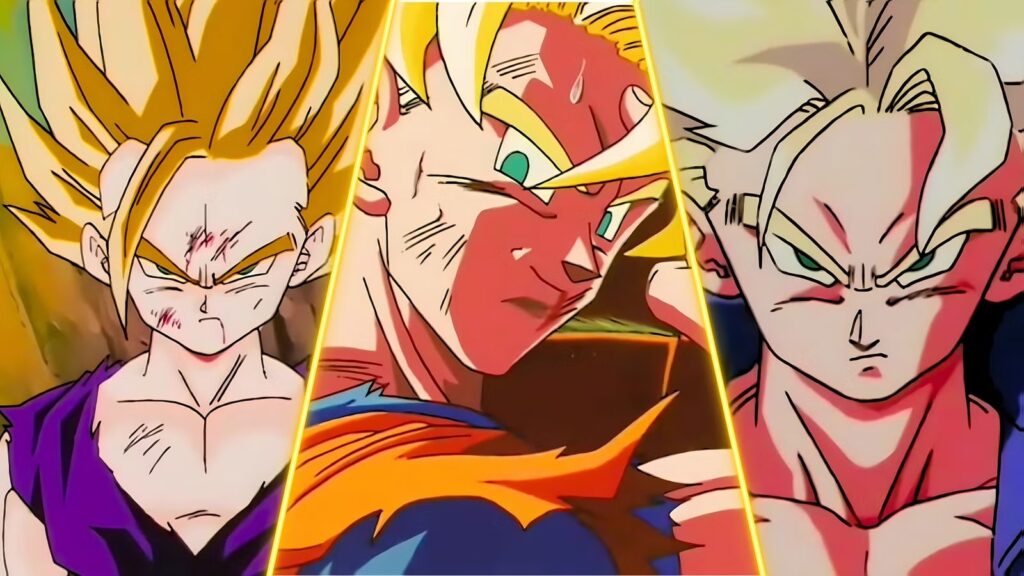
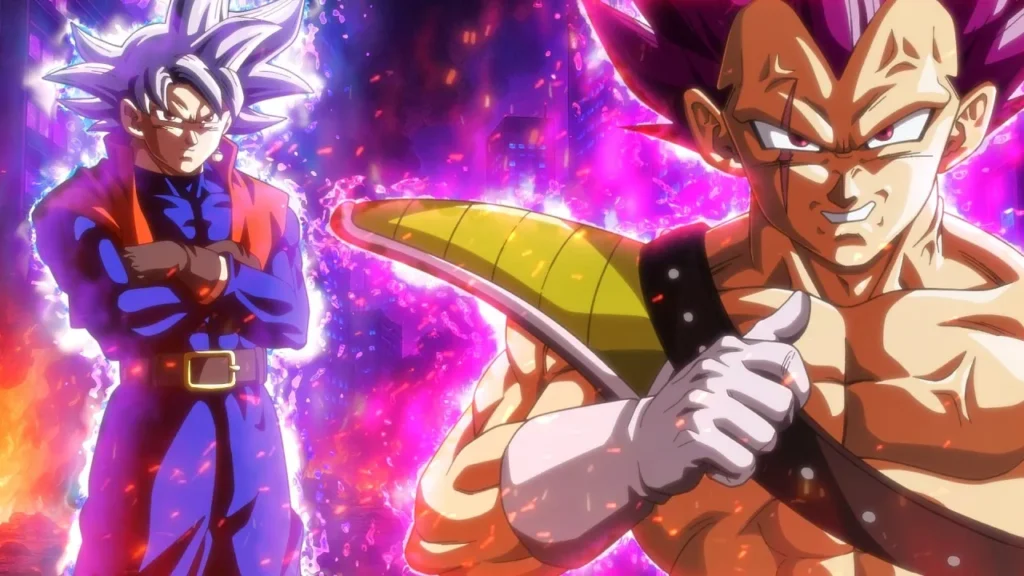
The Legend That Started with One Fake Image, Before social media and YouTube, Dragon Ball fans shared their excitement through fan magazines and early forums. Around the early 2000s, an image appeared showing Goku with long silver hair and the title “Dragon Ball AF.” No one knew where it came from. Some believed it was a secret sequel after Dragon Ball GT, while others thought it was a fan prank.
That single image became the spark for one of the biggest fan myths in anime history. Websites started writing about it, magazines printed fake scans, and soon “AF” — said to mean “After Future” or “April Fools” — spread across the world.
In the United States, this rumor became huge in fan communities. Before streaming and social media, people traded bootleg VHS tapes labeled “Dragon Ball AF episodes.” None were real, but the idea was powerful enough to make fans dream about the next step in Goku’s story.
How the Internet Kept the Dream Alive
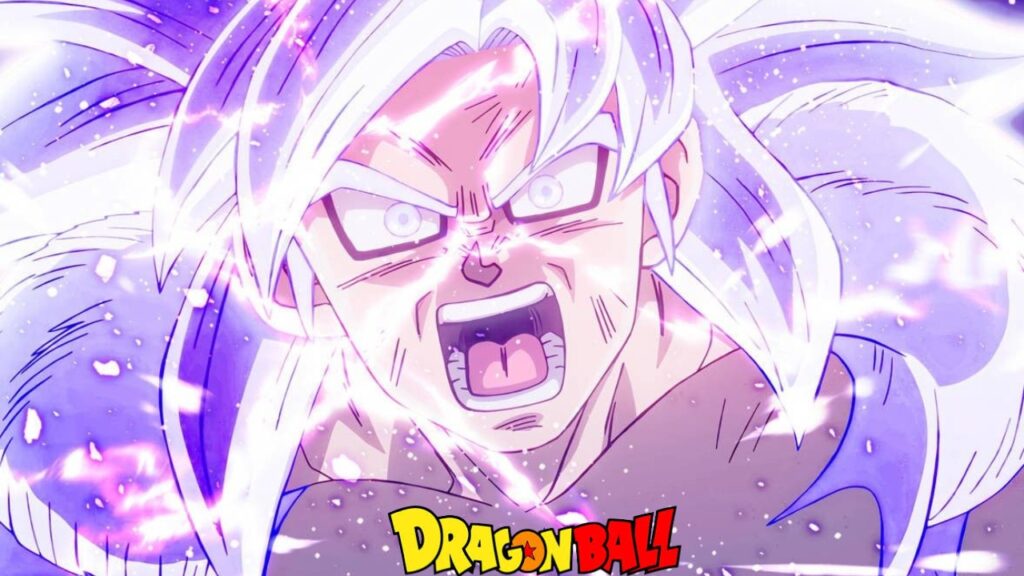
As Dragon Ball AF spread, fan artists across the world started creating their own versions. Some made AF comics, while others drew Super Saiyan 5 transformations with silver hair, tail fur, and godlike power.
When fan sites like DeviantArt, MyAnimeList, and early Reddit became popular, Dragon Ball AF grew even more. People made fake storylines about Goku’s son Xicor, the son of Goku and an alien goddess. These ideas became fan canon for a generation of Dragon Ball lovers.
Even though the official Dragon Ball story had ended, AF kept the spirit alive. It showed how deeply fans wanted more adventures, even when the anime was over.
Toyotarou Connection to Dragon Ball AF
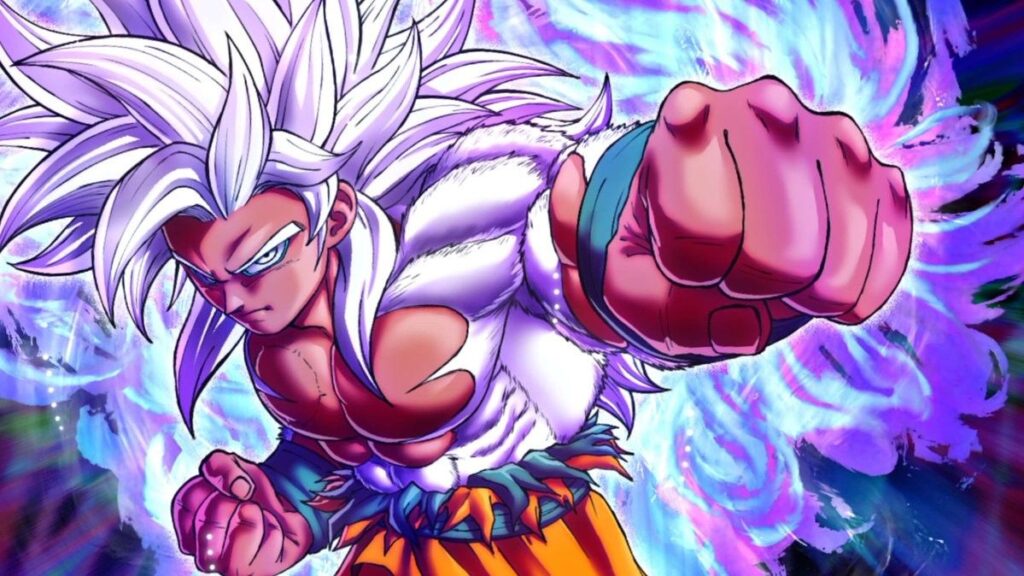
One of the most surprising parts of the AF story is how it connects to Toyotarou, the artist who now draws Dragon Ball Super.
Before he worked with Toei or Shueisha, Toyotarou made his own Dragon Ball AF manga online. His art and storytelling caught the attention of fans — and later, Akira Toriyama himself.
This fan project helped Toyotarou get noticed and eventually become the official artist of Dragon Ball Super. It’s a rare story where a fan creator became part of the real series.
Many fans still wonder if Toyotarou might one day revisit his AF ideas, perhaps in a spin-off or special chapter, as a tribute to the myth that started it all.
Why Dragon Ball AF Still Matters Today
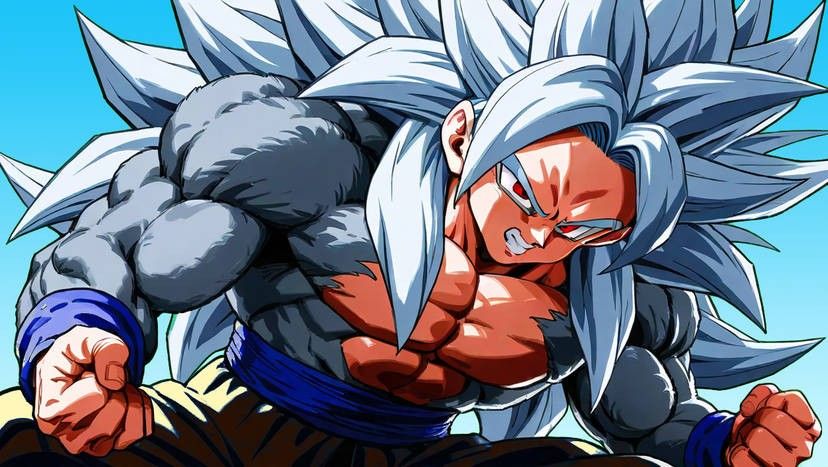
Even after all these years, Dragon Ball AF continues to trend online. On TikTok, YouTube, and Reddit, new “AF trailers” made with AI art and animation collect millions of views. Fans love the what-if energy of AF — what if Goku reached Super Saiyan 5, or if new gods appeared beyond Zeno?
AF also represents something deeper. It shows how Dragon Ball isn’t just an anime; it’s a creative world fans want to expand themselves. From fan games to YouTube stories, AF’s influence is still alive in 2025.
The Legacy of a Fan Dream
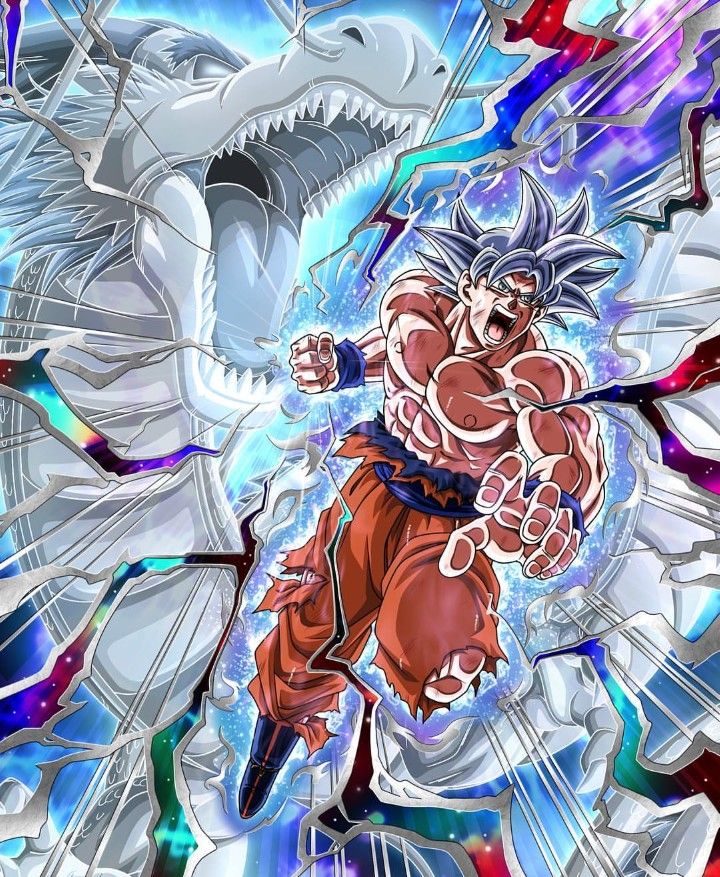
Dragon Ball AF may never be official, but its impact is real. It gave hope to fans during the quiet years when Dragon Ball was off the air. It inspired artists, including Toyotarou, and proved that fans can help keep a story alive.
As we move toward 2026, with Dragon Ball Super 2 on the horizon, it’s easy to see how much AF shaped the fandom’s imagination. The line between fan ideas and official stories is thinner than ever — and that’s part of what makes Dragon Ball so timeless.